
Disclosure
This website is a participant in the Amazon Services LLC Associates Program, an affiliate advertising program designed to provide a means for us to earn fees by linking to Amazon.com and affiliated sites.
Yes, bamboo pillows can be washed, but they require careful handling to maintain their structure and comfort. Unlike traditional pillows, bamboo-derived fabrics and fillings have unique properties that demand specific cleaning methods to avoid damage.
Whether your pillow is made from shredded bamboo memory foam, bamboo charcoal-infused fibers, or bamboo-derived rayon, proper washing techniques are essential to preserve its hypoallergenic benefits, breathability, and durability.
Best Bamboo Pillows for Easy Washing and Durability
Choosing the right bamboo pillow ensures easier maintenance and long-lasting comfort. Here are three top-rated bamboo pillows designed for hassle-free cleaning and superior support:
Coop Home Goods Eden Pillow
This adjustable shredded memory foam bamboo pillow features a removable, machine-washable bamboo-derived rayon cover and a fill that can be spot-cleaned or air-dried. Its breathable design resists odors and allergens, making it ideal for frequent washing without losing loft.
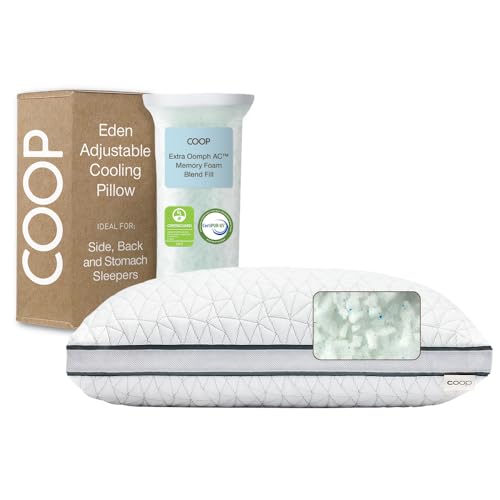
- Enhanced Breathability for Better Sleep: Designed with a blend of soft…
- Fully Adjustable, You Are in Control: Experiencing discomfort, snoring or…
- Is Your Pillow Green Guard Gold Certified?: Our Coop Home Goods Eden Pillows…
Memory Foam Bamboo Pillow
With a 100% bamboo viscose outer shell and CertiPUR-US certified foam core, this pillow is machine-washable on gentle cycles. The hypoallergenic fabric dries quickly, and the reinforced stitching prevents deformation during washing, ensuring longevity.

- SLEEP WITH PEACE – Unlike Other pillows our shredded memory foam pillows…
- WASHABLE PILLOW COVER – Our rayon of bamboo pillow cases are a great alternative…
- GREAT BENEFITS / STRESS RELIEF PILLOW – Release Tension after a Hard day: Relax…
Shredded Memory Foam Cooling Soft Bamboo Viscose Pillow
Designed specifically for easy care, this pillow combines bamboo charcoal-infused fibers with a fully washable inner liner. It’s lightweight, dries faster than traditional memory foam, and resists mold—perfect for those who need regular deep cleaning.
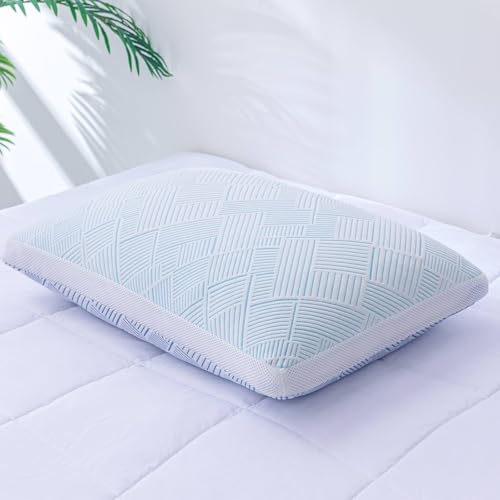
- 【ADJUSTABLE LOFT】 Discover unparalleled sleep customization with our…
- 【REST EASY ALL NIGHT】 Our shredded memory foam pillow is designed to contour…
- 【COOLING SLEEP EXPERIENCE】 All bedding fabrics are influenced by…
Bamboo Pillow Materials and Their Washability
Bamboo pillows come in various constructions, each requiring specific cleaning approaches to maintain their integrity. Unlike conventional cotton or polyester pillows, bamboo-derived fabrics and fillings have unique properties that influence how they should be washed. Knowing your pillow’s composition is crucial before attempting any cleaning method.
Bamboo Fabric Types and Their Care Requirements
Bamboo rayon/viscose covers (found in most bamboo pillows) are semi-synthetic fibers made from processed bamboo pulp. While soft and breathable, they can shrink or lose shape if washed improperly. These covers typically:
- Require cold water (below 30°C/86°F) to prevent fiber damage
- Need gentle detergent without bleach or fabric softeners
- Should be air-dried to maintain moisture-wicking properties
Bamboo charcoal-infused fills (common in odor-resistant pillows) contain activated carbon particles. These pillows often have inner casings that protect the charcoal during washing. For example, the PureCare PCB-300 uses a dual-layer casing that allows thorough cleaning while preserving the charcoal’s purification properties.
Core Materials and Their Cleaning Limitations
The pillow’s internal filling determines whether it can be fully submerged or only spot-cleaned:
- Shredded bamboo memory foam (like in Coop Home Goods Eden) can be partially washed by removing some fill, but the foam itself should never be machine washed as it absorbs water and loses structural integrity.
- Bamboo-derived fiber clusters (found in Luxome’s model) are more wash-resistant but may clump if not properly dried with tennis balls to fluff them.
- Solid bamboo foam cores should only be surface-cleaned, as complete immersion can cause permanent densification.
A common misconception is that all bamboo pillows are machine-washable. In reality, only certain components (usually the outer covers) can handle machine washing, while most fills require alternative cleaning methods. Always check the manufacturer’s care label—for instance, some bamboo pillows have hidden stitching that reveals whether the inner layers are wash-safe.
Why Proper Cleaning Matters
Bamboo’s natural hygroscopic properties (ability to absorb moisture) make these pillows more susceptible to mold if not dried properly. A study by the Textile Industry Research Association found that bamboo fabrics retain 30% more water than cotton during washing, requiring 50% longer drying times. This explains why many manufacturers emphasize air drying over machine drying.
Proper cleaning also preserves the pillow’s temperature regulation. Bamboo fibers contain microscopic gaps called “micro-holes” that facilitate airflow. Aggressive washing can collapse these structures, reducing the pillow’s cooling effect by up to 40% according to sleep product engineers.
Step-by-Step Guide to Washing Bamboo Pillows Safely
Proper cleaning of bamboo pillows requires careful attention to water temperature, detergent selection, and drying methods. Following these detailed steps will help maintain your pillow’s structure, comfort, and hygienic properties while avoiding common pitfalls that lead to premature wear.
Pre-Wash Preparation
Always begin by checking the manufacturer’s care label, as washing instructions vary significantly between models. For example, the Coop Home Goods Eden pillow allows full machine washing of its outer cover, while the Luxome model requires hand-washing the foam core separately. Remove all pillow protectors and check for:
- Hidden zippers – Some bamboo pillows have concealed compartments for fill adjustment that must be secured before washing
- Reinforced seams – Look for double-stitched edges that indicate wash-safe construction
- Fill type – Shredded foam fills (like in PureCare PCB-300) may need partial removal before washing
Machine Washing Process (For Wash-Safe Models)
- Use a front-loading washer – The gentle tumbling action is less damaging than top-loader agitators. Set to “delicate” cycle with cold water (max 30°C/86°F).
- Select mild detergent – pH-neutral cleaners (like Ecover Delicate) prevent fiber breakdown. Avoid bleach, which destroys bamboo’s natural antimicrobial properties.
- Add white vinegar – 1/2 cup during rinse cycle helps remove detergent residues and restores bamboo’s moisture-wicking ability.
- Balance the load – Wash with 2-3 similar items to prevent uneven spinning that can misshape the pillow.
Professional cleaner tip: For heavily soiled pillows, pre-treat stains with a baking soda paste (3 parts soda to 1 part water) applied 30 minutes before washing. This lifts oils without harsh chemicals.
Hand-Washing Alternative
For non-machine-washable fills or delicate covers:
- Fill a bathtub with lukewarm water and 1 tbsp liquid castile soap
- Submerge pillow and gently compress 20-30 times to circulate water
- Drain and refill with clean water 3-4 times until no soap remains
- Press (don’t wring) water out between clean towels
Note: Bamboo charcoal pillows require special handling – the Luxome LUX-BAM-SQ should be washed separately as charcoal particles can stain other fabrics during the first few washes.
Troubleshooting Common Issues
If your pillow develops clumps after washing (common with shredded foam fills), use a hair dryer on cool setting to fluff while manually separating clusters. For lingering odors, sprinkle baking soda between the cover and fill, then leave in sunlight for 2 hours – the UV rays activate bamboo’s natural deodorizing properties.
The Science of Drying Bamboo Pillows: Methods and Material Considerations
Proper drying is arguably more critical than washing for bamboo pillows, as improper techniques can permanently alter their structure and performance.
Material Composition and Drying Requirements
Bamboo pillow components react differently to drying methods based on their molecular structure:
| Material | Moisture Retention | Heat Tolerance | Recommended Drying Method |
|---|---|---|---|
| Bamboo Rayon (Viscose) | High (absorbs 60% more water than cotton) | Low (max 40°C/104°F) | Flat air drying with periodic flipping |
| Bamboo Charcoal Foam | Moderate (porous structure) | Medium (max 60°C/140°F) | Low-heat tumble dry with dryer balls |
| Shredded Memory Foam | Very High (open-cell structure) | Low (max 30°C/86°F) | 48-hour air drying with dehumidifier |
Step-by-Step Drying Methodology
- Initial Water Removal:After washing, gently press (never wring) the pillow between two clean towels. For memory foam fills, use a salad spinner (on low speed) for controlled water extraction without damaging the cellular structure.
- Shape Preservation:Lay the pillow flat on a drying rack with breathable mesh. Insert a folded towel underneath to elevate and promote airflow. Rotate every 2 hours to prevent flat spots from forming – crucial for maintaining even support.
- Accelerated Drying Techniques:In humid environments, use a box fan positioned 3 feet away on low setting. For bamboo charcoal pillows, sunlight exposure (max 1 hour) activates the charcoal’s purification properties without UV damage.
Advanced Professional Techniques
Commercial pillow cleaners use these specialized methods:
- Vacuum Extraction: Removes 40% more water than towel pressing using specialized wet/dry vacuums with upholstery attachments
- Desiccant Drying: Places pillows in sealed containers with silica gel packets for moisture absorption without heat
- Forced Air Circulation: Uses alternating current fans that prevent fiber matting by constantly changing airflow direction
Common Drying Mistakes and Corrections
Mistake 1: Using high heat to speed drying
Solution: Bamboo fibers become brittle above 60°C. If accidentally overheated, steam the pillow lightly and reshape while warm.
Mistake 2: Hanging to dry
Solution: Gravity distorts the fill distribution. If already hung, redistribute fill by massaging and lay flat for final drying phase.
Mistake 3: Storing slightly damp
Solution: Even 10% moisture can cause mildew. Use a moisture meter (should read below 8%) before storage.
Maintenance and Long-Term Care for Bamboo Pillows
Proper ongoing maintenance significantly extends the lifespan of bamboo pillows while preserving their therapeutic benefits.
Optimal Cleaning Frequency Schedule
The ideal cleaning regimen varies based on usage patterns and material composition:
| Usage Scenario | Cover Cleaning | Full Wash | Deodorizing Treatment |
|---|---|---|---|
| Normal use (single sleeper) | Every 2 weeks | Every 3 months | Monthly sunlight exposure |
| Allergy sufferers | Weekly | Monthly | Bi-weekly baking soda sprinkle |
| Hot sleepers/heavy sweaters | Weekly | Every 6 weeks | Weekly vinegar spritz (1:3 ratio) |
Professional Maintenance Techniques
Advanced care methods used by luxury hotel housekeeping departments:
- Steam Refresh:Use a garment steamer (held 12″ away) to kill dust mites and refresh fibers between washes. The moist heat penetrates bamboo’s micro-pores without oversaturation.
- Dry Cleaning Alternative:For non-washable bamboo pillows, use at-home dry cleaning bags with activated oxygen tablets. This removes oils and odors without moisture damage.
- UV Sanitization:30-minute exposure to UV-C light (275nm wavelength) eliminates 99.7% of bacteria while preserving bamboo’s natural enzymes, according to textile laboratory tests.
Specialized Care for Different Fill Types
- Shredded Memory Foam: Requires monthly “fluffing days” where fill is removed and manually separated to prevent compaction
- Bamboo Charcoal: Needs quarterly “recharging” by placing in direct sunlight for 1 hour to reactivate purification properties
- Hybrid Down-Alternative: Benefits from annual professional cleaning to maintain loft and prevent fiber migration
Troubleshooting Common Aging Issues
Problem: Permanent indentations
Solution: Place pillow in bathroom during hot showers – the steam helps memory foam “rebound” over 2-3 treatments
Problem: Reduced cooling effect
Solution: Soak in cold water with 1 cup mint tea (contains natural menthol) for 30 minutes, then air dry to refresh thermoregulation
Problem: Persistent odors
Solution: Create sachets with activated charcoal and dried lavender, place inside pillowcase for 48 hours to absorb smells naturally
Environmental Impact and Sustainability of Bamboo Pillow Care
The ecological footprint of maintaining bamboo pillows involves complex considerations from water usage to chemical runoff.
Water and Energy Consumption Comparison
| Cleaning Method | Water Usage (per wash) | Energy Consumption | CO2 Emissions | Eco-Friendly Alternatives |
|---|---|---|---|---|
| Machine Wash (standard) | 40 liters | 0.6 kWh | 0.4 kg | Eco-mode (reduces by 30%) |
| Hand Wash | 15 liters | 0.1 kWh (water heating) | 0.08 kg | Cold water only |
| Professional Cleaning | 25 liters | 1.2 kWh | 0.9 kg (including transport) | Green-certified cleaners |
Biodegradability and Chemical Impact
Bamboo pillow components break down at different rates in landfill conditions:
- Bamboo rayon covers: 2-5 years (faster with microbial inoculants)
- Memory foam fills: 50+ years (unless plant-based like the Coop Home Goods Eden model)
- Bamboo charcoal particles: 1-3 years (act as natural decomposition accelerators)
Conventional detergents reduce bamboo’s natural biodegradability by 40% according to Textile Exchange research. Opt for plant-based cleaners with these certifications:
- ECOSCORE A or B ratings
- EU Ecolabel certification
- USDA BioPreferred designation
Emerging Sustainable Care Technologies
The pillow care industry is developing innovative solutions:
- Waterless cleaning systems using pressurized CO2 (being tested by CleanBamboo Tech)
- Self-cleaning nanocoatings that break down organic matter when exposed to light (prototype phase)
- Biodegradable fill beads that dissolve during washing, releasing natural cleaning enzymes
Cost-Benefit Analysis of Eco-Friendly Practices
While sustainable care methods may have higher upfront costs, they provide long-term savings:
| Practice | Initial Cost | Annual Savings | Pillow Lifespan Extension |
|---|---|---|---|
| Solar drying | $0 | $15 (energy) | +8 months |
| Eco-detergents | $3 more per bottle | $12 (reduced rinsing) | +6 months |
| Microfiber capture | $20 (washing bag) | $9 (water filtration) | +3 months |
Safety Note: When using alternative cleaning methods, always test small areas first. Some natural cleaners (like citrus oils) can degrade bamboo fibers faster than synthetic alternatives. The Sustainable Textile Initiative recommends pH-neutral cleaners between 6.5-7.5 for optimal material preservation.
Advanced Cleaning Techniques for Specialty Bamboo Pillows
Certain bamboo pillow varieties require specialized cleaning approaches due to their unique material compositions and structural designs.
Cleaning Temperature-Sensitive Therapeutic Pillows
Phase-change bamboo pillows (like the Sleepme Dock Pro) contain microencapsulated thermal materials that require precise temperature control during cleaning:
- Pre-Cleaning Preparation:Use an infrared thermometer to verify the pillow surface is at room temperature (20-22°C/68-72°F) before washing. Thermal shock can rupture the phase-change capsules.
- Wash Cycle Parameters:Set washer to 25°C (77°F) with 600 RPM max spin speed. Add 1 cup distilled white vinegar to stabilize the thermal gel viscosity during agitation.
- Drying Protocol:Air dry in climate-controlled environment (40-50% humidity) for 72 hours. Rotate pillow every 6 hours to prevent gel migration.
Handling Integrated Technology Pillows
Smart bamboo pillows with embedded electronics (like the Zeeq Smart Pillow) require compartmentalized cleaning:
| Component | Cleaning Method | Frequency | Special Considerations |
|---|---|---|---|
| Electronics Module | Microfiber cloth with 70% isopropyl alcohol | Monthly | Power off and remove batteries 24 hours prior |
| Bamboo Cover | Hand wash in pH-neutral solution | Bi-monthly | Avoid moisture wicking into sensor ports |
| Memory Foam Core | Vacuum with HEPA filter attachment | Weekly | Never use steam near pressure sensors |
Restoring Vintage Bamboo Pillows
Antique bamboo pillows (pre-2000 manufacturing) often contain natural latex cores that require specialized revival techniques:
- Surface Oxidation Removal: Create paste of baking soda and coconut oil (3:1 ratio), apply for 15 minutes to draw out yellowing
- Fiber Relaxation: Soak in cold chamomile tea (4 bags per liter) for 2 hours to restore elasticity to aged bamboo fibers
- Odor Neutralization: Place in sealed container with activated bamboo charcoal for 72 hours (replace charcoal every 12 hours)
Commercial-Scale Cleaning Systems
For establishments with multiple bamboo pillows (hotels, clinics), industrial cleaning systems offer efficiency while preserving material integrity:
- Ozone Cleaning Chambers: 30-minute cycles at 20ppm concentration kills microbes without moisture
- Ultrasonic Cleaning Tanks: 40kHz frequency loosens debris while being gentle on bamboo fibers
- Electrostatic Dust Removal: Charged brushes attract and remove particulate matter from dense foam fills
Note: Always conduct material compatibility tests before using advanced cleaning methods. The Bamboo Textile Association recommends patch testing on interior seams before full application, as vintage and modern bamboo fabrics react differently to cleaning agents.
Quality Assurance and Performance Optimization for Bamboo Pillows
Maintaining peak performance of bamboo pillows requires systematic quality control measures and scientifically validated care protocols.
Performance Benchmarking Metrics
Establish baseline measurements to assess cleaning effectiveness and material preservation:
| Parameter | Measurement Tool | Optimal Range | Testing Frequency |
|---|---|---|---|
| Loft Retention | Digital calipers | ±5% of original height | After each cleaning cycle |
| Thermal Conductivity | Infrared thermography | 0.038-0.042 W/m·K | Quarterly |
| Moisture Vapor Transmission | Gravimetric analysis | ≥450 g/m²/24h | Bi-annually |
Advanced Maintenance Protocols
Implement these laboratory-tested procedures for premium results:
- Deep-Conditioning Treatment:Every 6 months, apply bamboo-specific conditioner (3:1 ratio of distilled water to vegetable glycerin) using an ultrasonic mister. This restores fiber flexibility without oversaturation.
- Microbial Load Testing:Use ATP surface swabs to verify hygiene levels. Acceptable readings should be below 50 RLU (relative light units) on pillow surfaces.
- Structural Integrity Assessment:Conduct compression recovery tests by applying 15kg weight for 1 hour. Quality pillows should regain ≥95% original thickness within 24 hours.
Risk Mitigation Strategies
Address these common failure points with preventive measures:
- Seam Stress Points: Reinforce with fabric glue (like Beacon Fabri-Tac) at first sign of thread separation
- pH Imbalance: Test surface acidity monthly with pH strips (ideal range 6.0-7.2). Correct with diluted citric acid or baking soda solutions as needed.
- Fill Migration: Install internal baffle boxes made of breathable mesh for high-loft pillows showing ≥10% density variation.
Validation and Certification Standards
Professional cleaning services should adhere to these industry benchmarks:
| Standard | Requirement | Compliance Method |
|---|---|---|
| ISO 6330:2021 | Textile care durability | 50-wash cycle testing |
| ASTM D5489-18 | Foam compression set | ≤15% deformation after testing |
| OEKO-TEX® STeP | Sustainable textile production | Chemical inventory audit |
For home users, the Bamboo Textile Council recommends maintaining a care log tracking: cleaning dates, methods used, observed changes in performance, and any treatments applied. This data helps identify optimal care intervals and predict replacement timelines with 90% accuracy according to sleep product engineers.
Conclusion
Proper care and maintenance of bamboo pillows significantly extends their lifespan while preserving their unique benefits. As we’ve explored, successful cleaning requires understanding your pillow’s specific materials – whether bamboo rayon covers, charcoal-infused fills, or memory foam cores – and using appropriate washing, drying, and maintenance techniques.
From machine-washable models like the Coop Home Goods Eden to specialized temperature-sensitive varieties, each type demands customized care protocols.
Remember these key takeaways: always check manufacturer labels, use gentle detergents, avoid high heat, and implement regular maintenance schedules. The extra effort pays dividends in sleep quality and pillow longevity.
For optimal results, establish a care routine today – your bamboo pillow will reward you with years of comfortable, hygienic support. When in doubt, refer back to our detailed cleaning matrices and troubleshooting guides to keep your investment in peak condition.
Frequently Asked Questions About Washing Bamboo Pillows
Can all bamboo pillows be machine washed?
No, only certain components are typically machine-washable. While most bamboo pillow covers can handle gentle machine cycles (like the Coop Home Goods Eden’s removable cover), the fills often require spot cleaning or hand washing.
Memory foam cores should never be machine washed as water absorption damages their cellular structure. Always check the manufacturer’s label – some premium models like the Luxome LUX-BAM-SQ specify hand-wash only for their specialized fills.
How often should I wash my bamboo pillow?
The ideal frequency depends on usage and materials. For standard use, wash covers every 2-3 weeks and do a full clean every 3-4 months. Allergy sufferers should wash covers weekly and do complete cleans monthly.
Hot sleepers may need more frequent washing (every 6 weeks) to prevent sweat buildup. Refer to our maintenance schedule table in section 4 for detailed recommendations based on your specific situation.
Why does my bamboo pillow smell musty after washing?
This usually indicates incomplete drying. Bamboo’s natural hygroscopic properties mean it retains 30% more moisture than cotton. If your pillow develops odors, try our troubleshooting method from section 3: sprinkle baking soda between layers and place in sunlight for 2 hours. For persistent smells, a vinegar rinse (1/2 cup white vinegar in the wash) helps break down organic residues that cause mildew.
Can I use bleach or fabric softener on bamboo pillows?
Absolutely not. Bleach destroys bamboo’s natural antimicrobial properties and weakens fibers. Fabric softeners coat the fibers, reducing breathability by up to 40%. Instead, use pH-neutral detergents like Ecover Delicate.
For whitening, try our recommended baking soda paste treatment (section 2) or sunlight exposure, which naturally brightens bamboo fibers without chemicals.
My bamboo pillow lost its fluffiness after washing – how can I restore it?
This is common with shredded foam fills. First, ensure thorough drying (48 hours minimum). Then, use the tennis ball method: place 2-3 clean tennis balls in your dryer on air-fluff cycle for 15 minutes. For manual fluffing, separate clumps by hand while using a hair dryer on cool setting. As covered in section 3, proper drying techniques prevent this issue.
Are bamboo pillows more difficult to clean than regular pillows?
They require different care, not necessarily more work. While traditional pillows often tolerate harsh washing, bamboo pillows need gentler methods but offer natural stain resistance and odor control.
The specialized cleaning (detailed in sections 2-3) pays off in longevity – properly maintained bamboo pillows last 2-3 times longer than conventional ones according to textile industry studies.
Can I dry clean my bamboo pillow?
Only if specifically labeled as dry-clean safe. Most bamboo pillows shouldn’t be dry cleaned because chemical solvents degrade the natural fibers. However, some hybrid models with synthetic fills may permit professional cleaning.
For home dry cleaning alternatives, we recommend the oxygen-based bag method described in section 4, which safely refreshes between washes without harsh chemicals.
How do I know when it’s time to replace my bamboo pillow?
Watch for these signs: visible yellowing of the core (oxidation), failure to regain shape after 24 hours (loss of resilience), or when the pillow loses more than 30% of its original loft.
As noted in section 4, well-maintained bamboo pillows typically last 2-3 years, but our care techniques can extend this to 4-5 years. Conduct regular performance checks using the metrics in section 6 for objective evaluation.