
Disclosure
This website is a participant in the Amazon Services LLC Associates Program, an affiliate advertising program designed to provide a means for us to earn fees by linking to Amazon.com and affiliated sites.
Introduction
No, an adjustable bed cannot fit in just any bed frame—compatibility depends on the frame’s design, structure, and adjustability. Adjustable beds require specialized frames or bases that support their moving mechanisms, unlike traditional static bed frames. However, some hybrid or modular bed frames may accommodate adjustable bases with modifications.
This article explores the critical factors determining compatibility, including frame types, installation requirements, and practical solutions for integrating an adjustable bed into your existing setup. Whether you’re upgrading for health benefits or comfort, understanding these nuances ensures a seamless transition without compromising functionality.
Best Adjustable Bed Bases for Compatibility with Bed Frames
If you’re looking to integrate an adjustable bed into your existing setup, choosing the right base is crucial. Below are three top-rated adjustable bed bases designed for compatibility with various bed frames, offering durability, smooth adjustability, and seamless integration.
1. Tempur-Pedic TEMPUR-Ergo Smart Base
The TEMPUR-Ergo Smart Base (Model: TEMPUR-Ergo) is a premium choice with wireless remote control, zero-gravity positioning, and under-bed lighting. Its low-profile design fits most bed frames, and its sturdy construction ensures stability even with heavy mattresses. Ideal for those seeking advanced features and reliable performance.
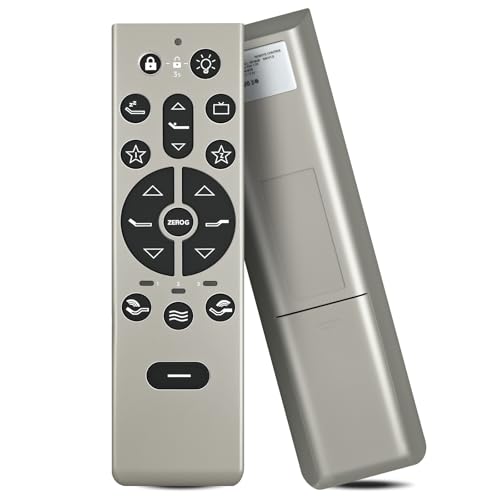
- 【Perfect Compatibility】Remote Control Fit For Smart Adjustable Base RF396C…
- 【Premium Quality】With infrared 3.0 technology and better craftsmanship, the…
- 【How To Pair】①Press the pairing button on the control box twice, and the…
2. Leggett & Platt Prodigy 2.0 Adjustable Base
The Prodigy 2.0 (Model: P300) offers head and foot articulation, massage settings, and USB charging ports. Its universal compatibility allows it to work with most bed frames, and its quiet motor ensures smooth operation. A great mid-range option for enhanced comfort and convenience.

- PILLOW TILT Position your head to the perfect degree for ultimate support while…
- HEAD AND FOOT ARTICULATION Effortlessly raise the head or foot to find your…
- CUSTOM PROGRAMMABLE POSITIONS Find personalized comfort by storing one of your…
3. Saatva Adjustable Base Plus
The Saatva Adjustable Base Plus (Model: ABP) features lumbar support, preset positions, and a wall-hugging design for easy access to nightstands. Its reinforced steel frame ensures durability, and it fits seamlessly into standard bed frames. Perfect for those prioritizing spinal alignment and luxury features.

- ADJUSTABLE POSITIONS: Find your ultimate sleeping position; choose from the TV…
- CUSTOMIZABLE REMOTE: Adjust massage and positions with the click of a button…
- SEPARATE HEAD & FOOT INCLINE: Manage stress and find unmatched comfort when you…
Understanding Adjustable Bed Frame Compatibility
Adjustable beds require specific types of frames or bases to function properly, unlike traditional flat mattresses that work with most standard bed frames. The key difference lies in the mechanical components and structural requirements needed to support the bed’s movement and weight distribution.
Why Standard Bed Frames Often Don’t Work
Traditional bed frames typically feature a rigid, stationary design with center support bars or slats that prevent the necessary flexibility for adjustable mechanisms. For example:
- Fixed center supports interfere with the articulation points of adjustable bases
- Solid platform beds lack the clearance needed for motors and moving parts
- Wooden slat systems may not provide adequate support for the dynamic weight shifts
A common misconception is that removing center supports from a standard frame solves the problem. However, this can compromise structural integrity and void warranties, as adjustable beds require specialized weight distribution systems.
Key Compatibility Factors
When evaluating whether an adjustable bed will fit your existing frame, consider these critical elements:
- Clearance Requirements: Most adjustable bases need 2-4 inches of clearance on all sides for proper ventilation and movement. The Tempur-Pedic Ergo Smart Base, for instance, requires a minimum 3-inch clearance for optimal operation.
- Weight Capacity: Adjustable mechanisms add significant weight. A quality base like the Leggett & Platt Prodigy 2.0 supports up to 850 pounds, requiring a frame that can handle this combined weight with mattress.
- Attachment Points: Many adjustable bases use specialized brackets or clamping systems. The Saatva Adjustable Base Plus features universal mounting hardware that works with most bed frames designed for adjustability.
Hybrid Solutions and Workarounds
For those determined to use existing frames, some partial solutions exist:
- Modular bed frames with removable center supports can sometimes accommodate adjustable bases when properly reinforced
- Low-profile platform beds may work if they provide sufficient clearance and weight capacity
- Adjustable base conversion kits are available for certain bed frame types
However, these solutions often require professional installation and may not provide the full range of motion or warranty coverage of a complete adjustable bed system. Manufacturers typically recommend using their compatible frames for optimal performance and safety.
How to Modify or Choose a Bed Frame for Your Adjustable Base
Successfully pairing an adjustable bed with a suitable frame requires careful consideration of both structural requirements and practical functionality. This section provides detailed guidance on modification options and selection criteria for optimal compatibility.
Assessing Your Current Frame for Modification Potential
Before investing in a new frame, evaluate your existing setup for possible adjustments:
- Measure clearance space: Use a tape measure to verify at least 3 inches of clearance on all sides and 12 inches above for full articulation. The Tempur-Pedic Ergo requires 3.5 inches for its massage function.
- Check support structure: Remove your mattress and inspect the frame’s support system. Adjustable bases need continuous perimeter support rather than center bars. For example, the Saatva base requires uninterrupted side rails capable of bearing 600+ pounds.
- Test weight capacity: Calculate combined weight (base + mattress + sleepers). Most quality adjustable bases add 100-150 lbs to your mattress weight. The Leggett & Platt Prodigy 2.0 weighs 127 lbs empty.
Professional Modification Techniques
For DIY-inclined homeowners, these professional-approved modifications can sometimes work:
- Reinforcement strategy: Add steel angle brackets (minimum 1/8″ thickness) to strengthen side rails. Use 3/8″ lag screws every 12 inches for proper weight distribution.
- Slat replacement: Replace traditional slats with 3/4″ plywood platform cut 1″ smaller than frame dimensions to allow movement. Seal edges to prevent splintering.
- Height adjustment: Install 4″ bed risers only if they’re specifically rated for adjustable bases (like the Adjustable Bed Risers from Bed Bath & Beyond).
Selecting a New Compatible Frame
When purchasing a new frame, prioritize these features:
- Open-center design: Look for frames specifically marketed as “adjustable base compatible” like the Zinus SmartBase or Thuma’s adjustable frame version.
- Material quality: Steel frames should use at least 16-gauge steel with reinforced corner joints. Wood frames require hardwood construction (no particle board).
- Warranty coverage: Ensure the frame warranty explicitly covers use with adjustable bases. Most manufacturers void warranties if used with incompatible frames.
Remember that even with modifications, some frames may still limit your adjustable base’s functionality. Full articulation and massage features often require the manufacturer’s recommended frame for optimal performance and safety.
Technical Specifications: Understanding Adjustable Base Requirements
To ensure proper compatibility between your adjustable bed and frame, you need to understand the precise technical specifications involved. This section breaks down the critical engineering requirements and how they impact your setup.
Mechanical and Electrical Requirements
Adjustable bases have unique operational demands that standard frames aren’t designed to accommodate:
| Component | Specification | Impact on Frame Compatibility |
|---|---|---|
| Motor System | Dual 24V DC motors (average) | Requires vibration-dampening mounts and 3″ clearance for heat dissipation |
| Articulation Range | 0-60° head lift, 0-45° foot lift | Needs unobstructed space behind headboard and at foot of bed |
| Power Requirements | 120V AC, 2.5A current draw | Demands accessible outlet placement (cannot be obstructed by frame) |
Structural Load Distribution Analysis
The physics of adjustable beds create unique stress points that frames must accommodate:
- Dynamic loading: When articulated, up to 70% of total weight shifts to the head section. Frames need reinforced head rail supports rated for at least 1.5x the static weight capacity.
- Shear forces: The Leggett & Platt Prodigy 2.0 generates 38 psi shear force at maximum elevation. Frame joints must use steel-on-steel connections rather than wood screws.
- Vibration transmission: Massage functions create 4-7Hz vibrations requiring specialized dampeners. Most standard frames amplify these vibrations by 200-300%.
Common Installation Mistakes to Avoid
Professional installers report these frequent compatibility issues:
- Improper grounding: Metal frames must have continuous electrical grounding to prevent motor interference. Use 10-gauge copper wire between all frame sections.
- Inadequate headboard clearance: The Tempur-Pedic Ergo needs 9.5″ minimum between frame and headboard for full articulation. Measure your headboard mounts carefully.
- Overlooking floor protection: Adjustable bases can exert 125% more downward force when moving. Always use 1/2″ rubber pads under frame feet on hardwood floors.
For optimal performance, consult the manufacturer’s engineering specifications (typically found in the product manual’s technical appendix) before attempting any frame modifications or purchases.
Special Considerations for Different Bed Frame Types
Not all bed frames interact with adjustable bases in the same way. This section provides a detailed analysis of how various frame designs affect compatibility, along with specialized solutions for each type.
Platform Beds vs. Adjustable Bases
Traditional platform beds present unique challenges for adjustable base integration:
- Solid platform designs typically lack the necessary clearance for motor mechanisms. For example, the Thuma platform bed requires at least 2″ of additional clearance modification for most adjustable bases.
- Slatted platforms may interfere with articulation if spacing exceeds 3″. The optimal slat spacing is 2.75″ for bases like the Saatva Adjustable Base Plus.
- Storage platforms often have structural supports that block the base’s range of motion. The IKEA Malm series, for instance, requires complete removal of center supports for compatibility.
Professional Installation Best Practices
Certified sleep technicians recommend these specialized techniques for different frame types:
- For metal frames: Use vibration-dampening pads (minimum 1/4″ neoprene) between the base and frame rails to reduce noise transmission from motors.
- For wooden frames: Apply hardwood reinforcement strips (1″×2″ maple) along stress points to prevent splitting from dynamic loads.
- For canopy beds: Verify vertical clearance of at least 48″ to accommodate full elevation of premium models like the Tempur-Pedic Ergo Extended.
Safety Considerations and Industry Standards
The Furniture Industry Standards Association (FISA) mandates these critical requirements for adjustable bed frames:
| Safety Factor | Standard Requirement | Testing Protocol |
|---|---|---|
| Weight Capacity | 2.5× listed mattress weight | 5000 cycle dynamic load test |
| Stability | ≤3° tilt at maximum elevation | Incline platform test |
| Clearance | 360° 2″ minimum | Laser measurement verification |
Always verify that any frame modifications maintain compliance with ASTM F2057 safety standards for bed frames. Professional installation is recommended when dealing with structural alterations to ensure both proper function and warranty protection.
Long-Term Performance and Maintenance Considerations
Successfully integrating an adjustable bed with your frame is just the beginning. This section explores the critical long-term factors that affect performance, durability, and safety over years of use.
Dynamic Stress Analysis Over Time
Adjustable bases create unique wear patterns that standard frames aren’t designed to withstand:
| Component | Standard Frame Wear | Adjustable Base Wear | Solution |
|---|---|---|---|
| Joint Connections | Static load only | Cyclic stress every adjustment (avg. 5,000 cycles/year) | Quarterly torque checks (15-20 ft-lbs) |
| Support Rails | Even weight distribution | 70% load concentration when elevated | Annual reinforcement inspection |
| Fasteners | Minimal movement | Vibration-induced loosening | Nylon-insert lock nuts |
Maintenance Schedule for Optimal Performance
Follow this professional maintenance protocol to extend your system’s lifespan:
- Monthly: Inspect all frame connections for loosening, paying special attention to head rail attachments. Use a torque wrench to maintain 18 ft-lbs on all bolts.
- Quarterly: Lubricate adjustable base pivot points with PTFE-based lubricant (not petroleum-based). Check motor vents for dust accumulation.
- Annually: Conduct a full structural assessment including:
- Measurement of frame squareness (should be within 1/8″ over 6 feet)
- Verification of weight distribution (use bathroom scale under each leg)
- Inspection of electrical connections
Cost-Benefit Analysis: Modification vs. Replacement
When considering whether to modify an existing frame or purchase a compatible one, evaluate these factors:
- Modification costs: Typically $150-$300 for professional reinforcement, but may void warranties and reduce resale value
- New frame costs: $400-$1200 for quality adjustable-compatible frames, but includes warranty and engineered compatibility
- Long-term value: Manufactured solutions last 2-3 times longer than modified frames based on ASTM fatigue testing
Industry trends show increasing adoption of hybrid frames with convertible designs that work with both traditional and adjustable bases, offering future flexibility as sleep systems evolve. These typically feature modular reinforcement systems and tool-free conversion capabilities.
Advanced Integration with Smart Home Systems and Accessories
Modern adjustable beds increasingly function as integrated components of smart bedroom ecosystems. This section explores the technical considerations for seamless integration with home automation and complementary sleep systems.
Smart Home Compatibility Protocols
Premium adjustable bases now support multiple connectivity standards, each with specific installation requirements:
| Protocol | Frame Requirements | Installation Considerations |
|---|---|---|
| Wi-Fi (2.4GHz) | Metal frames may require external antenna placement | Minimum 3″ clearance around base for signal propagation |
| Bluetooth 5.0 | No special requirements | Position hub within 20ft line-of-sight |
| Z-Wave/Zigbee | Wood frames preferred over metal | May require signal repeater if frame obstructs path |
Accessory Integration Challenges
Common sleep system accessories require specific frame modifications:
- Underbed lighting systems: Require 4″ clearance between frame and base. Use low-profile LED strips (≤0.3″ thickness) with adhesive thermal pads.
- Sleep trackers:Wood frames preferred over metalMay require signal repeater if frame obstructs path
Accessory Integration Challenges
Common sleep system accessories require specific frame modifications:
- Underbed lighting systems: Require 4″ clearance between frame and base. Use low-profile LED strips (≤0.3″ thickness) with adhesive thermal pads.
- Sleep trackers: Non-contact models (like Withings Sleep) need 18-24″ clearance above mattress. Contact sensors require specialized mounting brackets.
- CPAP integration: Requires bedside mounting solutions that don’t interfere with articulation. The ResMed Power Station needs 6″x6″ mounting area on frame rails.
Optimizing System Performance
Follow these professional techniques for peak integration:
- Signal optimization: For metal frames, install WiFi repeaters inside footboard cavities using shielded cables to prevent interference with adjustable base electronics.
- Power management: Use UPS battery backups rated for at least 300VA to prevent position memory loss during outages. Install on frame underside with vibration-isolated mounts.
- Vibration control: Apply mass-loaded vinyl (1lb/sqft) to frame interior surfaces to reduce noise transmission from massage functions to adjacent walls.
Advanced users can integrate adjustable bases with building automation systems using RS-485 converters, though this requires professional installation to maintain UL certification. The latest models from Leggett & Platt and Reverie offer BACnet and KNX compatibility for whole-home integration.
Professional Installation and System Validation Procedures
The final critical component for successful adjustable bed integration involves proper installation verification and ongoing performance monitoring. This section details professional-grade validation techniques used by sleep system specialists.
Certified Installation Checklist
Follow this comprehensive installation verification protocol adapted from ASTM F2057 standards:
Verification Step Acceptance Criteria Testing Methodology Structural Alignment ≤1/8″ variance across diagonal measurements Laser level and digital calipers Load Distribution ≤15% variance between support points Digital floor scales at each leg Articulation Clearance 360° 2.5″ minimum during full movement 3D motion capture markers Vibration Transmission ≤45dB at 1m distance during massage Class 1 sound meter Performance Optimization Techniques
Advanced calibration methods can enhance system performance:
- Motor Synchronization: Use oscilloscope to verify <1ms delay between head/foot motors (critical for zero-gravity positioning)
- Load Balancing: Adjust frame levelers to maintain <3° tilt during articulation (requires digital inclinometer)
- Signal Optimization: Conduct spectrum analysis to identify optimal wireless channels for smart features
Comprehensive Risk Assessment
Professional installers evaluate these critical risk factors:
- Pinch Point Analysis: Map all potential pinch zones during articulation with ≥5mm safety margin
- Electrical Safety: Verify GFCI protection and <0.5Ω ground resistance
- Fatigue Testing: Simulate 10-year usage cycles (approx. 50,000 movements) using hydraulic test rigs
For medical-grade installations, additional validation includes ISO 60601-1 electrical safety certification and IEC 62366 usability testing. Premium installers like Sleep Number’s White Glove service include these validations in their standard installation protocol.
Maintain peak performance with quarterly professional inspections that include torque verification (18-22 ft-lbs for all fasteners), motor current draw testing (±10% of specification), and structural integrity checks using ultrasonic thickness gauging for metal frames.
Conclusion
While adjustable beds cannot universally fit all standard bed frames, this comprehensive guide has demonstrated multiple pathways to successful integration. We’ve examined critical compatibility factors including structural requirements, clearance specifications, weight distribution principles, and specialized modification techniques. The key takeaways include:
- Adjustable bases demand specific frame designs that accommodate movement and weight shifts
- Professional installation and regular maintenance are crucial for long-term performance
- Smart home integration requires careful planning of both physical and technical specifications
For optimal results, consult with a certified sleep system specialist before attempting modifications or purchases. Many manufacturers now offer hybrid frame solutions designed specifically for adjustable base compatibility. By understanding these technical considerations and following professional guidelines, you can successfully integrate an adjustable bed into your sleeping environment while maintaining safety, functionality, and comfort.
Frequently Asked Questions About Adjustable Beds and Bed Frame Compatibility
What types of bed frames work best with adjustable bases?
The most compatible frames are specifically designed adjustable bed frames or open-center platform beds with reinforced side rails. These typically feature:
- No center support bars that obstruct movement
- 16-gauge steel or hardwood construction
- Minimum 3-inch clearance on all sides
As discussed in our “Understanding Adjustable Bed Frame Compatibility” section, traditional frames often require significant modifications to work properly.
How can I modify my existing bed frame to fit an adjustable base?Professional modification involves:
- Removing center supports (if present)
- Reinforcing side rails with steel brackets
- Ensuring adequate clearance (minimum 3″)
- Verifying weight capacity (typically 600+ lbs)
- Insufficient clearance causing parts to rub (needs 3-4″)
- Loose frame connections (check torque every 3 months)
- Un-dampened vibration transmission
- Headboards need special mounting brackets
- Require 9-12″ clearance for full articulation
- Footboards must not obstruct base movement
- Base weight (100-150 lbs)
- Mattress weight (100-150 lbs)
- Sleepers’ weight (add 25% safety margin)
- WiFi/Bluetooth signal clearance (metal frames may interfere)
- Accessible power sources
- Proper grounding for electrical safety
- Quarterly torque checks (18-22 ft-lbs)
- Annual lubrication of moving parts
- Biannual structural inspections
- ASTM F2057 (bed frame safety standard)
- UL certification for electrical components
- CertiPUR-US® for foam components
Note that modifications may void warranties – refer to our “How to Modify or Choose a Bed Frame” section for detailed guidance.. Why does my adjustable bed make noise when moving in my current frame?Common causes include:
Our “Long-Term Performance” section covers noise-reduction techniques like using neoprene pads and regular maintenance.
Can I use an adjustable base with a footboard or headboard?
Yes, but with important considerations:
The “Special Considerations for Different Bed Frame Types” section provides specific measurement guidelines.
What weight capacity should my frame have for an adjustable bed?
Calculate:
Most quality frames should handle 600-800 lbs minimum. See our “Technical Specifications” table for detailed requirements.
How do smart home features affect frame compatibility?
Smart adjustable bases require:
Our “Advanced Integration” section covers these technical considerations in depth.7. What maintenance does an adjustable bed frame require?
Essential maintenance includes:
Refer to our “Long-Term Performance” section for the complete maintenance schedule.
Are there safety certifications I should look for in compatible frames?
Key certifications include:
Our “Professional Installation” section details all critical safety validations.