
Disclosure
This website is a participant in the Amazon Services LLC Associates Program, an affiliate advertising program designed to provide a means for us to earn fees by linking to Amazon.com and affiliated sites.
Finding the best pillows for adjustable beds is crucial for unlocking their full comfort and health benefits. The wrong pillow can undermine your bed’s ergonomic design, causing neck strain and poor sleep. This complete guide provides expert tips to match your perfect pillow with your adjustable base.
We’ll explore how pillow choice impacts spinal alignment in elevated positions. You’ll learn which materials and styles work best for head and knee elevation. Discover proven methods to enhance your sleep setup for ultimate relaxation and support.
Best Pillows for Adjustable Beds
Tempur-Pedic TEMPUR-Cloud Breeze Dual Cooling Pillow – Best Overall Choice
This pillow excels with adjustable beds due to its adaptive TEMPUR material that cradles your head and neck in any position. The dual-cooling cover and phase-change technology prevent overheating. It’s the ideal choice for maintaining perfect spinal alignment whether you’re reading upright or sleeping flat.
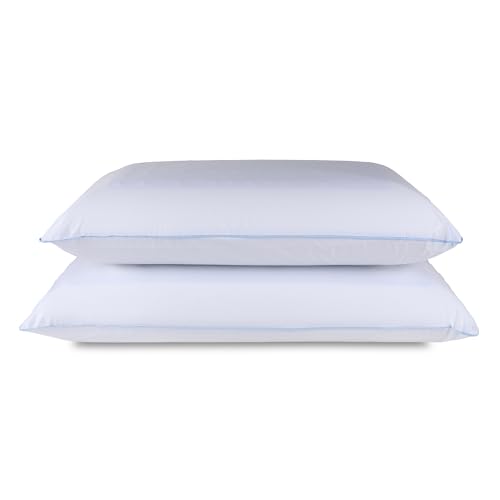
- Helps relieve aches and pains: TEMPUR-Material precisely adapts to your head…
- TEMPUR-Material: A single piece of our one-of-a-kind, infinitely adaptable…
- Cooling Gel Layers: A layer of Tempur-Pedic Cooling Technology is added to both…
Coop Home Goods Eden Adjustable Shredded Memory Foam Pillow – Best for Customization
Its fully adjustable fill lets you add or remove shredded foam to achieve your ideal loft and firmness. This customization is perfect for matching your pillow to your adjustable bed’s specific angle. The breathable, certified foam and removable cover ensure comfort and easy cleaning for nightly use.
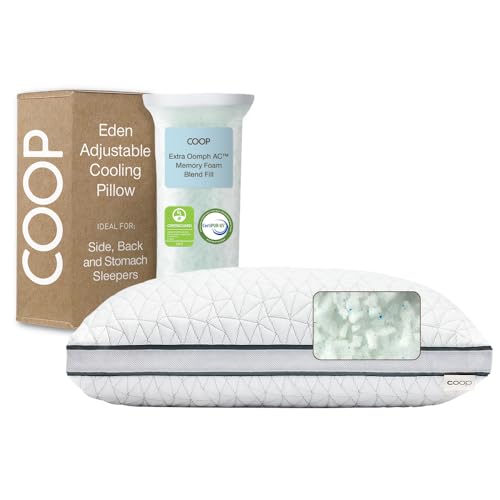
- Fully Adjustable for Personalized Support: The Eden Pillow is…
- Proprietary Fill That Breathes and Supports: At the core of every Eden Pillow is…
- Thoughtfully Designed Removable, Washable Cover: Wrapped in our ultra-soft…
Malouf Zoned Dough Memory Foam Pillow (Z) – Best for Contoured Support
Featuring a unique zoned design with a lower center and raised edges, this pillow provides targeted support for your head and neck. The gel-infused, ventilated memory foam stays cool. This contour makes it a top-recommended option for side sleepers using adjustable bed elevation features.
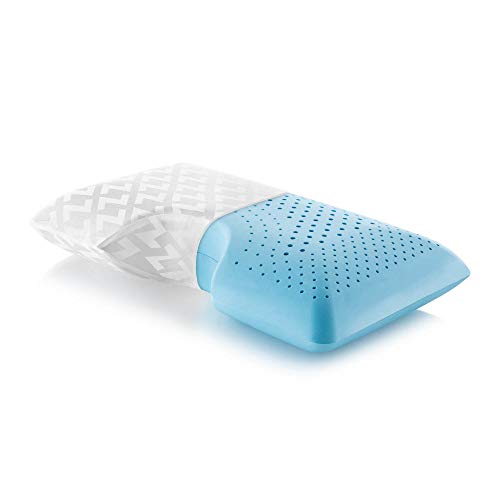
- Zoned dough memory foam is infused with gel to create a cooler, softer sleep…
- Unique shoulder recess designed specifically for side sleepers to eliminate…
- Zoned technology cradles head and supports neck while promoting airflow for…
Why Your Current Pillow Might Not Work with an Adjustable Base
Standard pillows are designed for flat sleeping surfaces. They often fail when your bed frame elevates into reading or zero-gravity positions. This mismatch can lead to discomfort and negate the health benefits of your adjustable bed.
The Problem with Traditional Pillow Designs
Fixed-loft pillows create a gap between your head and mattress when the head section is raised. Your neck bends awkwardly to bridge this space, causing strain. Feather and standard fiberfill pillows also flatten and shift, offering inconsistent support as you move.
Key Pillow Qualities for Adjustable Bed Compatibility
The best adjustable bed pillows must adapt dynamically. They need specific features to maintain ergonomic alignment in various positions.
- Adaptability & Flexibility: The pillow must conform to changing angles without collapsing or pushing back too rigidly.
- Responsive Support: Materials should cradle the neck and head precisely, whether you’re on your back, side, or reclining.
- Stability & Non-Shift: The pillow should stay in place and not slide down when the bed is inclined, a common issue with smooth covers.
Consequences of Using the Wrong Pillow
Ignoring pillow compatibility undermines your investment. Poor spinal alignment can lead to morning neck and shoulder pain. It may also cause snoring or acid reflux by misaligning your airways, even if your bed is designed to alleviate these issues.
How to Choose the Perfect Pillow for Your Adjustable Bed
Selecting the right pillow involves matching material properties to your sleep style and bed positions. This decision impacts comfort, support, and the overall effectiveness of your adjustable base. Follow this guide to make an informed choice.
Match Pillow Material to Your Sleeping Position
Your primary sleep posture dictates the ideal pillow type. The goal is to keep your spine in a neutral line from your head to your lower back.
- Side Sleepers: Need a higher loft, firm pillow to fill the space between ear and shoulder. Contoured memory foam or adjustable shredded foam pillows are excellent choices.
- Back Sleepers: Require a medium loft pillow to support the neck’s natural curve without pushing the head forward. Gel memory foam or latex work well.
- Combination Sleepers: Benefit most from highly adaptable, responsive materials like shredded memory foam that can reshape instantly as you move.
Consider Adjustable Bed-Specific Features
Look for design elements that enhance compatibility with moving bed frames. These features solve common problems like sliding and gap formation.
- Non-Slip Bottom: A grip-enhancing fabric or silicone print on the pillowcase prevents it from sliding down an inclined mattress.
- Adjustable Fill: Pillows with zippered interiors allow you to customize loft, which is crucial for dialing in support for different recline angles.
- Breathability & Cooling: Elevated positions can increase warmth; look for gel infusions, phase-change covers, or ventilated foam.
| Sleep PositionRecommended Pillow TypeKey Feature for Adjustable Beds | ||
|---|---|---|
| Side Sleeper | Contoured Memory Foam | High, firm loft for shoulder gap |
| Back Sleeper | Medium Loft Latex | Responsive support for neck curve |
| Stomach/Combination | Adjustable Shredded Foam | Customizable, adaptable loft |
Top Pillow Materials for Adjustable Bed Comfort and Support
Material choice is the most critical factor in pillow performance on an adjustable base. Each type offers distinct benefits for contouring, cooling, and durability. Understanding these differences ensures you select a pillow that moves with your bed.
Memory Foam: Contouring and Pressure Relief
Memory foam is a top choice for its superior body-conforming ability. It molds to your head and neck, providing consistent support in any bed position. High-density and gel-infused varieties offer the best combination of support and temperature regulation.
- Pros: Excellent contouring, pressure relief, and motion isolation. Ideal for maintaining alignment.
- Cons: Can retain heat and may have an initial odor. Some find it too firm.
- Best For: Side and back sleepers needing precise, unwavering support.
Shredded Memory Foam: Customizable Adaptability
This material consists of small foam pieces in a removable inner sack. It combines the contouring benefits of memory foam with unparalleled adjustability. You can add or remove fill to achieve the perfect loft for every incline setting.
- Pros: Fully customizable loft, excellent airflow, and easy to reshape. Very adaptable.
- Cons: Can become lumpy over time and may require frequent fluffing.
- Best For: Combination sleepers and those who want fine-tuned control over pillow height.
Latex: Responsive and Cooling Support
Latex pillows offer a buoyant, springy feel that is both supportive and cooling. They push back gently against your head, providing lift without sinking in too deeply. Natural latex is also hypoallergenic and highly durable.
- Pros: Naturally cooling, responsive support, hypoallergenic, and long-lasting.
- Cons: Often heavier, can have a distinct smell, and is generally more expensive.
- Best For: Hot sleepers and back sleepers who want a supportive, breathable pillow.
Expert Setup Tips for Pillows on Adjustable Beds
Proper placement and adjustment are just as important as choosing the right pillow. A perfect pillow can fail if positioned incorrectly on an inclined bed frame. These professional tips will help you optimize comfort and spinal health.
Optimal Pillow Placement for Common Positions
Where you place the pillow changes with your bed’s configuration. The goal is always to support the natural cervical curve of your neck.
- Upright/Reading Position: Place the pillow to fill the gap between your upper back and the raised mattress. It should support your entire neck, not just your head.
- Zero-Gravity/Reclined Position: Ensure the pillow keeps your head neutral, not tilted forward or back. It may need to sit slightly lower on the mattress than when flat.
- Flat Sleeping Position: Follow standard alignment rules: your head and neck should be level with your spine, not propped up or sinking down.
Step-by-Step Adjustment Process
Follow this simple method to dial in your perfect setup. Test it over several nights for accurate results.
- Start Neutral: Begin with your adjustable bed in a flat position and your pillow as you normally use it.
- Raise and Assess: Elevate the head of the bed to your most-used reading or TV-watching angle.
- Check for Gaps: Feel behind your neck and upper back. If there’s space, adjust the pillow’s placement or add/remove fill to close it.
- Verify Alignment: Your ears should be in line with your shoulders, and your chin should not be tucked to your chest or pointing upward.
Maintaining Your Pillow for Longevity
Adjustable beds can increase wear on pillows due to more frequent movement and repositioning. Proper care extends their life and performance.
- Use a protective, non-slip pillow cover underneath your regular pillowcase to prevent sliding and reduce sweat absorption.
- Fluff and rotate your pillow daily to prevent material from compacting unevenly, especially with shredded or fiber fills.
- Follow manufacturer washing instructions carefully. Many memory foam and latex cores should only be spot-cleaned.
Common Mistakes to Avoid When Choosing an Adjustable Bed Pillow
Even with good intentions, shoppers often make errors that lead to discomfort and a poor return on investment. Recognizing these pitfalls beforehand can save you time, money, and sleepless nights. Avoid these frequent missteps for a better sleep setup.
Choosing Based on Price or Brand Alone
The most expensive pillow isn’t automatically the best for your adjustable base. Similarly, a well-known brand may not specialize in designs for moving bed frames.
- Mistake: Assuming a high price guarantees compatibility with all bed positions.
- Solution: Prioritize specific features like adaptability, non-slip design, and material responsiveness over brand name or cost.
- Example: A premium, ultra-firm pillow might be terrible for a back sleeper in a reclined position, regardless of its price tag.
Ignoring Your Primary Sleep Position
Your dominant posture is the most important factor in pillow selection. A pillow perfect for side sleeping will fail a strict back sleeper, and vice versa.
- Mistake: Buying a pillow recommended for a sleep position different from your own.
- Solution: Honestly assess how you sleep most often. Use the material and loft guidelines specific to that position as your primary filter.
- Example: A stomach sleeper buying a tall, contoured pillow designed for side sleepers will experience severe neck strain.
Overlooking Trial Periods and Return Policies
Finding the perfect pillow is highly personal. You often cannot judge long-term comfort from a brief in-store test.
- Mistake: Purchasing from retailers with strict, no-return policies on bedding.
- Solution: Always buy from companies offering a sleep trial of at least 30 nights. This allows you to test the pillow with your adjustable bed in real-world conditions.
- Pro Tip: Use the full trial period. It can take over a week for your body to adjust to a new support system.
| Common Mistake | Likely Result | Smart Alternative |
|---|---|---|
| Buying the wrong loft for your sleep style | Neck pain and misalignment | Match loft height to shoulder width (side) or natural curve (back) |
| Ignoring non-slip features | Pillow slides down nightly | Choose pillows with grip fabric or use a non-slip mattress pad |
| Not using the sleep trial | Being stuck with an unsuitable pillow | Test the pillow for 2-3 weeks in all your favorite bed positions |
Special Considerations for Health and Comfort Needs
Adjustable beds are often chosen to address specific health concerns. The right pillow can significantly enhance these therapeutic benefits. Tailoring your pillow choice to your needs maximizes comfort and improves sleep quality.
Pillows for Acid Reflux and Snoring Relief
Elevating the upper body is a key strategy for managing reflux and snoring. Your pillow must work in harmony with the bed’s incline to keep airways open.
- Goal: Maintain a smooth, elevated path from your head to your upper back. Avoid pillows that cause your chin to tuck toward your chest.
- Best Pillow Type: A wedge-shaped pillow or a contoured pillow with strong shoulder support. It should prevent you from sliding down.
- Setup Tip: Combine a slight bed incline with a supportive pillow. Ensure there is no gap behind your neck that breaks the elevated plane.
Neck Pain and Arthritis Support Solutions
For chronic pain, consistency and pressure relief are paramount. The pillow must provide stable, gentle support in every position.
- Goal: Distribute weight evenly and keep the cervical spine in a neutral alignment without pressure points.
- Best Pillow Type: Memory foam (solid or shredded) that cradles precisely. Adjustable fill allows for perfect customization as pain levels fluctuate.
- Setup Tip: Avoid pillows that are too high or too firm, as they can push the neck into an unnatural angle. The pillow should “give” just enough.
Allergy-Friendly and Hypoallergenic Options
Adjustable beds can stir up dust and allergens. Choosing the right pillow material and cover creates a healthier sleep environment.
- Goal: Select materials that resist dust mites, mold, and mildew, and use protective encasements.
- Best Pillow Types: Natural latex or synthetic down alternatives. Both are inherently resistant to common allergens.
- Essential Accessory: A zippered, allergen-proof pillow protector. This barrier is crucial, especially with adjustable beds that increase airflow and movement around the bedding.
Conclusion: Finding Your Perfect Adjustable Bed Pillow
Choosing the best pillows for adjustable beds transforms your sleep experience. It unlocks the full ergonomic and comfort benefits of your investment. Proper support in every position alleviates pain and improves rest quality.
The key is selecting an adaptable, supportive material that matches your sleep style. Prioritize features like non-slip bases and adjustable fill. This ensures perfect spinal alignment whether reading or sleeping.
Use our detailed guide and product recommendations to make an informed choice. Don’t forget to leverage sleep trials to test your top pick. Your ideal pillow is the final piece for a perfect night’s sleep.
Invest in the right support and enjoy the profound difference it makes. Your body will thank you every morning.
Frequently Asked Questions About Adjustable Bed Pillows
What is the best type of pillow for an adjustable bed?
Memory foam and adjustable shredded foam pillows are generally the best types. They contour to your head and neck, maintaining support as the bed moves. Their adaptability prevents the support gaps common with traditional pillows on inclined surfaces.
Look for specific features like non-slip bottoms and breathable covers. These enhance compatibility and comfort, ensuring the pillow works in harmony with your adjustable base for all activities.
How do I stop my pillow from sliding down on an adjustable bed?
Use a pillow with a non-slip bottom fabric, often featuring silicone grips or a textured weave. You can also place a non-slip mattress pad or gripper sheet between the mattress and your pillowcase. This creates friction to hold everything in place.
Proper placement is also key. Tuck the lower edge of the pillow slightly under your upper back when in a raised position. This utilizes your body weight to help anchor it securely.
Can you use a wedge pillow with an adjustable bed?
Yes, you can use a wedge pillow, but it’s often redundant. Your adjustable bed’s head elevation function already creates the inclined plane a wedge provides. Using both can create an overly steep angle that strains your neck.
A better approach is to use a standard supportive pillow with your bed’s incline. If you need extra elevation for severe reflux, ensure the wedge is low-profile and your head stays in a neutral position.
What pillow filling is best for side sleepers with an adjustable bed?
Side sleepers need a firmer, higher-loft pillow to fill the space between their ear and shoulder. Contoured memory foam or high-loft shredded foam are excellent choices. They provide the necessary support to keep the spine aligned in any bed position.
Ensure the pillow is adaptable enough not to push your head forward when the bed is flat. Adjustable fill pillows are ideal, as you can customize the loft perfectly for both flat and elevated sleeping.
How often should you replace pillows used with an adjustable bed?
Replace adjustable bed pillows every 1-2 years, potentially more frequently than standard pillows. The constant movement and repositioning can cause materials to break down faster. Signs of replacement include persistent lumps, loss of support, and inability to hold its shape.
High-quality memory foam or latex may last closer to 3 years. Regularly fluffing and using a protective cover will extend the lifespan of any pillow significantly.
Are down or feather pillows good for adjustable beds?
Down and feather pillows are generally not the best choice. They lack the structural support needed for proper spinal alignment on an inclined surface. They tend to flatten and shift, creating inconsistent support as you change positions.
If you prefer a soft feel, consider a high-quality down alternative pillow with a non-slip cover. However, for consistent ergonomic support, adaptive materials like foam or latex are far superior for adjustable bed compatibility.
What is the best pillow for back pain on an adjustable bed?
The best pillow for back pain provides medium loft and excellent cervical support. A contoured memory foam or medium-firm latex pillow is ideal. It should cradle your neck without letting your head tilt forward, which is crucial when the bed is elevated.
Pairing the right pillow with your bed’s zero-gravity position can be particularly therapeutic. This combination reduces pressure on the spine and promotes natural alignment, offering significant pain relief.
Do I need a special pillowcase for my adjustable bed pillow?
While not mandatory, a pillowcase with a non-slip backing or deeper pockets is highly beneficial. It helps keep the pillowcase from sliding off the pillow itself when the bed is inclined. Standard smooth cotton cases can easily slip and bunch.
Opt for breathable, moisture-wicking fabrics like bamboo or Tencel. These materials enhance comfort, especially important if you use heating or massage features on your adjustable base.
Can I Use My Regular Pillow on an Adjustable Bed?
You can, but it’s often not ideal. Standard pillows are designed for flat surfaces and may not provide proper support when the bed is elevated.
- Potential Issue: It may create a gap under your neck or cause your head to tilt forward uncomfortably.
- Short-Term Solution: If you must use it, try folding it or placing it strategically to fill the void created by the incline.
- Best Advice: For long-term comfort and health benefits, invest in a pillow designed for multi-position support.
How Many Pillows Should I Use with an Adjustable Base?
This depends on your comfort and the bed’s position. The principle is to maintain a straight spinal line.
- Start with One: Begin with a single, high-quality pillow that matches your sleep style.
- Add for Specific Needs: You might add a small lumbar pillow for lower back support in a reclined position or a knee pillow for zero-gravity.
- Avoid Stacking: Stacking multiple standard pillows is unstable and often leads to misalignment as they shift.
Do I Need a Special Pillow for an Adjustable Bed?
While not mandatory, a compatible pillow dramatically improves the experience. Specialized pillows solve the core problems of adjustable bed use.
- They Prevent Sliding: Many have non-slip bottoms to stay in place on inclined fabric.
- They Maintain Alignment: Their materials and design adapt to changing angles, keeping your spine neutral.
- They Enhance Benefits: The right pillow works synergistically with your bed’s positions to reduce pain and improve breathing.