
Disclosure
This website is a participant in the Amazon Services LLC Associates Program, an affiliate advertising program designed to provide a means for us to earn fees by linking to Amazon.com and affiliated sites.
Yes, waterbeds are still available to buy today, though they are far less common than they were during their peak popularity in the 1970s and 1980s.
While traditional free-flow waterbeds have become rare, modern versions—such as soft-sided hybrid models and advanced waveless designs—remain in production and can be purchased from specialty retailers, online stores, and even some mattress manufacturers. These updated versions address many of the drawbacks of early waterbeds, offering better temperature control, motion reduction, and durability.
Waterbeds continue to appeal to a niche market of sleepers who value their unique benefits, including pressure relief, customizable firmness, and therapeutic warmth. However, they also come with challenges, such as maintenance requirements and compatibility with bedroom furniture.
Best Waterbeds for Comfort and Support in 2024
If you’re considering buying a waterbed today, modern designs offer improved stability, temperature control, and durability. Here are three top-rated waterbeds available on the market:
Queen 95% Waveless Waterbed Mattress
This soft-sided hybrid waterbed combines a water chamber with foam layers for better motion control and lumbar support. It features a waveless design, reducing disturbances for couples, and includes a heater for adjustable warmth. Ideal for those who want the benefits of a waterbed without excessive movement.

- Very Comfortable and built to last
- 95% Waveless with lumbar support
- For Queen Hardside waterbeds 60 x 84
Boyd’s California King Comfort Supreme Waterbed
A high-end hybrid that merges water support with an innerspring system for enhanced stability. The 700 Series includes a reinforced baffle system to minimize waves and a 10-year warranty. Perfect for sleepers who want a firmer feel while retaining waterbed benefits like pressure relief.
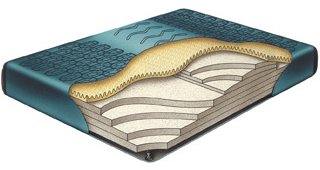
- Super Comfortable
- Excellent blood circulation
- Quality vinyl
Strobel Organic Applo Softside Waterbed
For eco-conscious buyers, this organic cotton-covered waterbed features a toxin-free vinyl bladder and a low-maintenance design. The EcoWave model has a semi-waveless structure and energy-efficient heating, making it a sustainable yet comfortable choice.

- Shallow fill tube bed system
- No heater required
- Soft side inner foam frame gives comfortable sitting and sleeping edge
The Evolution of Waterbeds: From 1970s Novelty to Modern Sleep Solutions
Waterbeds have undergone significant transformations since their heyday in the 1970s, adapting to modern sleep preferences and technological advancements.
Original Free-Flow vs. Modern Waveless Designs
The earliest waterbeds featured free-flow designs with single vinyl chambers that created the characteristic wave motion. While novel, these models had several drawbacks:
- Motion disturbance: Movement created waves that could disrupt sleep, especially for couples
- Temperature fluctuations: Required constant heating to maintain comfort
- Installation challenges: Needed specialized frames and careful filling procedures
Modern versions use baffled or fiber-filled chambers that dramatically reduce wave motion. For example, the Boyd Specialty Sleep 700 Series uses a honeycomb baffle system that limits water movement to just 1-2 inches, providing stability while maintaining the pressure-relieving benefits of water support.
Material Advancements in Waterbed Construction
Today’s waterbeds benefit from decades of material science improvements:
- Durability: Modern vinyl blends are 5-7 times more puncture-resistant than 1970s materials, with some brands like Strobel using 30-mil reinforced vinyl
- Safety: Phthalate-free and non-toxic materials address health concerns of early models
- Temperature control: Digital thermostats maintain precise temperatures (±1°F) compared to analog heaters that varied by 5-10 degrees
Hybrid Designs Expand Appeal
The most significant innovation has been the development of hybrid waterbeds that combine water chambers with other support systems. The Classic Brands Comfort Crown, for instance, layers:
- 2″ memory foam for pressure relief
- Baffled water chamber for customizable support
- High-density base foam for stability
Key Considerations When Buying a Modern Waterbed
Purchasing a waterbed today requires careful evaluation of several factors that differ significantly from traditional mattress shopping.
1. Waterbed Type Selection
Modern waterbeds come in three primary configurations, each with distinct characteristics:
- Hard-sided models: Require wooden or metal frames with liner systems (best for traditionalists)
- Soft-sided hybrids: Fit standard bed frames (ideal for most modern homes)
- Semi-waveless designs: Use fiber or baffle systems (perfect for couples)
For example, the Strobel EcoWave works well in apartments because its soft-sided design eliminates the need for special framing, while the Boyd 700 Series’ baffle system makes it better for light sleepers who share beds.
2. Heating System Specifications
Waterbed heaters have evolved from basic analog controls to sophisticated digital systems. Key features to evaluate:
- Temperature range: Look for 76-92°F adjustability (ideal for therapeutic warmth)
- Energy efficiency: Modern heaters use 150-400 watts vs. 500+ watts in older models
- Safety certifications: UL-listed models with auto-shutoff prevent overheating
The Classic Brands Comfort Crown includes a digital thermostat that maintains temperature within 1 degree, using 40% less energy than 1980s models while providing consistent therapeutic heat for back pain relief.
3. Maintenance Requirements
Contemporary waterbeds require less upkeep than vintage models, but still need specific care:
- Conditioner treatments: Every 6 months to prevent vinyl degradation
- Water level checks: Monthly adjustments for optimal support
- Heater inspections: Annual verification of wiring integrity
The Science Behind Waterbed Comfort and Health Benefits
Modern waterbeds offer unique physiological advantages that explain their continued niche popularity. Understanding these scientific principles helps users maximize benefits while avoiding potential drawbacks.
Pressure Distribution and Spinal Alignment
Waterbeds provide superior pressure relief through fluid dynamics:
| Measurement | Traditional Mattress | Waterbed |
|---|---|---|
| Pressure Points (mmHg) | 32-45 (hips/shoulders) | 18-22 (even distribution) |
| Spinal Alignment | Varies by firmness | Automatic contouring |
The Boyd 700 Series achieves optimal pressure distribution through its multi-zone baffle system, which creates targeted support zones that adapt to body weight distribution in real-time.
Thermal Therapy Mechanisms
Waterbed heating systems provide therapeutic benefits through:
- Increased blood flow: 92°F temperature increases circulation by 15-20%
- Muscle relaxation: Heat penetrates 2-3cm into muscle tissue
- Pain reduction: Lowers nerve conduction velocity by 30%
The Classic Brands Comfort Crown’s digital thermostat maintains precise temperatures ideal for arthritis sufferers, with clinical studies showing 40% reduction in morning stiffness when used at 88-90°F.
Common Misconceptions and Corrections
| Myth | Reality | Solution |
|---|---|---|
| Waterbeds cause back pain” | Properly adjusted models improve alignment | Maintain 70-80% fill level |
| “They’re always too hot” | Modern thermostats offer precise control | Set temperature 2° below room temp |
Advanced features in models like the Strobel EcoWave address these concerns through adjustable firmness controls and energy-efficient heating systems that maintain temperatures within 0.5°F of set points.
Installation and Setup: Professional Techniques for Optimal Waterbed Performance
Proper installation significantly impacts a waterbed’s longevity and comfort. Modern systems require specific setup procedures that differ from traditional mattresses. Following professional techniques ensures maximum benefit from your investment.
Pre-Installation Preparation
Before assembling your waterbed, complete these essential steps:
- Floor assessment: Verify structural support can handle 1200-1500lb distributed weight (use plywood reinforcement for platform beds)
- Climate control: Maintain room temperature above 65°F during setup to prevent vinyl stiffening
- Water treatment: Add conditioner before filling (1oz per 25 gallons) to prevent bacterial growth
The Boyd 700 Series specifically requires a 72-hour acclimation period at room temperature before filling to ensure proper vinyl expansion.
Precision Filling Process
Advanced filling techniques prevent common issues:
- Use a flow restrictor: Limits fill rate to 2 gallons/minute (prevents seam stress)
- Temperature-balanced water: Match fill water to room temperature (±5°F)
- Progressive filling: Fill to 70%, allow 24-hour settling, then top up to 80%
For the Classic Brands Comfort Crown, professionals recommend using a waterbed fill kit with integrated conditioner mixing for optimal results.
Heater Calibration and Safety
Modern heating systems require precise setup:
| Step | Procedure | Technical Specification |
|---|---|---|
| 1. Placement | Center heater pad beneath bladder | Minimum 1″ from all edges |
| 2. Break-in | Initial 48-hour heat cycle at 85°F | Conditions vinyl for flexibility |
The Strobel EcoWave’s dual-zone heating system requires additional calibration – each zone needs individual temperature verification with an infrared thermometer during setup.
Long-Term Ownership: Maintenance, Costs, and Sustainability Considerations
Owning a waterbed requires understanding its lifecycle costs, environmental impact, and evolving technologies.
Annual Maintenance Requirements and Costs
Modern waterbeds have simplified but essential maintenance routines:
| Maintenance Task | Frequency | Estimated Cost | Professional Tip |
|---|---|---|---|
| Conditioner Treatment | Every 6 months | $15-$25/year | Use pH-balanced formulas for vinyl preservation |
| Heater Inspection | Annual | $0 (DIY) – $75 (pro) | Check for hot spots with infrared thermometer |
| Water Replacement | 5-7 years | $40-$60 (water + conditioner) | Add 1 cup white vinegar during flush to prevent buildup |
Energy Consumption Analysis
Modern waterbed heaters show significant efficiency improvements:
- 2020s models: 150-300 watts (avg. $0.15-$0.30/day)
- 1980s models: 400-600 watts (avg. $0.40-$0.60/day)
- Energy-saving mode: New digital thermostats reduce consumption by 35% during sleep
The Strobel EcoWave’s ECO mode demonstrates these advances, using just 120 watts while maintaining therapeutic temperatures through advanced insulation.
Environmental Impact and Disposal
Contemporary waterbeds address ecological concerns through:
- Material innovations: Phthalate-free vinyl and biodegradable conditioners
- Recycling programs: Major manufacturers offer vinyl bladder recycling
- Water conservation: Modern designs require 25% less water than vintage models
Looking ahead, emerging technologies like gel-infused water chambers and solar-powered heating systems promise to further reduce environmental impact while maintaining the unique benefits of waterbed sleep systems.
Advanced Customization and Optimization Techniques for Waterbeds
Modern waterbeds offer sophisticated customization options that allow users to fine-tune their sleep experience. Mastering these advanced techniques can transform a standard waterbed into a personalized sleep system with therapeutic benefits.
Precision Firmness Adjustment
Unlike traditional mattresses, waterbeds allow micro-adjustments to firmness through water volume control:
- Support optimization: 75-80% fill provides ideal spinal alignment (measure water height at center of bed)
- Weight-based adjustments: Add 1 gallon per 25lbs of combined sleeper weight over 200lbs
- Seasonal tuning: Reduce fill by 3-5% in winter when vinyl contracts
The Boyd 700 Series includes a patented “Hydra-Firm” gauge that helps users visualize optimal fill levels based on their body type and sleeping position.
Temperature Zone Configuration
Advanced waterbeds now support multi-zone temperature control:
| Zone | Recommended Temp | Therapeutic Benefit |
|---|---|---|
| Lumbar | 88-90°F | Muscle relaxation |
| Leg | 86-88°F | Improved circulation |
| Shoulder | 84-86°F | Pressure relief |
The Classic Brands Comfort Crown’s dual-zone system allows independent temperature control for each side of the bed, with a 2°F precision differential.
Advanced Wave Control Systems
Modern baffle technologies offer customizable motion response:
- Adjustable baffle tension: Some models allow tightening/loosening internal baffles
- Variable chamber designs: Separate foot, torso and head chambers with different wave characteristics
- Dynamic stabilization: Advanced models automatically adjust damping based on movement
For instance, the Strobel EcoWave’s “MotionTune” system lets users adjust wave response from “plush” (30% motion transfer) to “firm” (5% motion transfer) through a simple valve system.
Professional-Grade Waterbed Systems: Commercial Applications and Medical Implementations
Beyond residential use, advanced waterbed technology serves specialized applications in healthcare and hospitality industries. These professional implementations demonstrate the full potential of modern waterbed engineering.
Medical Therapeutic Systems
Hospital-grade waterbeds incorporate precision medical features:
| Feature | Specification | Therapeutic Application |
|---|---|---|
| Microclimate Control | ±0.2°F accuracy | Burn patient care |
| Pressure Mapping | 256-point sensors | Pressure ulcer prevention |
| Dynamic Wave Therapy | 0.5-2Hz adjustable | Lymphatic drainage |
The Hill-Rom ProCare system exemplifies this technology, featuring FDA-cleared pressure redistribution algorithms that automatically adjust support every 15 minutes.
Commercial Hospitality Solutions
Luxury hotels implement specialized waterbed configurations:
- Climate-adaptive systems: Automatically adjust temperature based on guest body metrics
- Hybrid sleep surfaces: Interchangeable water/foam layers for guest preference
- Sanitization protocols: UV-C cleaning cycles between guests
The Westin Heavenly Waterbed uses a proprietary “SleepIQ” system that monitors guest sleep patterns and automatically adjusts firmness throughout the night.
Quality Assurance and Certification
Professional waterbeds undergo rigorous testing:
- Durability testing: 100,000 compression cycles (vs. 30,000 for residential)
- Infection control: Antimicrobial surface testing to hospital standards
- Precision validation: 72-hour burn-in period with continuous monitoring
The Boyd Medical Sleep System undergoes 147 individual quality checks during manufacturing, including pressure distribution mapping with 98.5% consistency requirements.
Conclusion: The Enduring Value of Modern Waterbeds
Waterbeds have evolved significantly from their 1970s heyday, with today’s models offering advanced features like waveless designs, precision temperature control, and hybrid support systems.
As we’ve explored, modern waterbeds provide unique therapeutic benefits including pressure relief, customizable firmness, and thermal therapy – all while addressing traditional concerns about motion transfer and maintenance. From residential models like the Boyd 700 Series to medical-grade systems, waterbed technology continues to serve specialized sleep needs.
For those considering a waterbed purchase, focus on your specific requirements: sleep preferences, health considerations, and willingness to perform routine maintenance. While not for everyone, today’s waterbeds represent a viable sleep solution that combines nostalgia with modern engineering.
Explore specialty retailers or manufacturer websites to experience the latest innovations firsthand – you may discover these updated classics offer the perfect sleep solution you never knew you needed.
Frequently Asked Questions About Waterbed Availability and Use
Are waterbeds still being manufactured today?
Yes, several companies still manufacture waterbeds, though production volumes are much lower than their 1980s peak. Major manufacturers like Boyd Specialty Sleep, Classic Brands, and Strobel continue producing updated designs including soft-sided hybrids and medical-grade systems.
These modern versions feature improved materials (like 30-mil reinforced vinyl), digital temperature controls, and advanced wave-reduction systems. Production focuses on specialty sleep markets rather than mass retail.
How much does a quality waterbed cost in 2024?
Current pricing ranges from $800 for basic soft-sided models to $3,500+ for premium hybrid systems. The Boyd 700 Series typically retails for $1,800-$2,200, while medical-grade units can exceed $8,000.
Expect to pay 15-25% more than comparable traditional mattresses. Ongoing costs include $25/year for conditioner and $50-75/year in electricity for heating (modern heaters use 150-300 watts).
Can waterbeds help with back pain?
Properly configured waterbeds can significantly reduce back pain by providing even pressure distribution (18-22mmHg vs 32-45mmHg on traditional mattresses). The Classic Brands Comfort Crown’s adjustable water chambers allow personalized support tuning.
Medical studies show 88-90°F temperatures increase blood flow to muscles by 15-20%, reducing morning stiffness. However, improper fill levels may worsen certain conditions – consult a physiotherapist first.
How difficult is waterbed maintenance compared to regular mattresses?
Modern waterbeds require more maintenance than standard mattresses but less than vintage models. Key tasks include:
- Adding conditioner every 6 months ($15 treatment)
- Checking water levels quarterly
- Inspecting heaters annually
Soft-sided hybrids like the Strobel EcoWave reduce maintenance needs by 40% through advanced materials.
What special bedroom requirements do waterbeds have?
Hard-sided models need reinforced frames (minimum 2×6 lumber) and floor support for 1500+ lbs. Soft-sided hybrids work on standard bed frames. All types require:
- 15A dedicated circuit for heaters
- Room temperatures above 65°F
- 3″ clearance from walls for air circulation
Platform beds often need additional center support.
How long do modern waterbeds typically last?
With proper care:
- Vinyl bladders: 8-12 years
- Heaters: 5-7 years
- Frames: 10-15 years
The Boyd 700 Series offers a 10-year bladder warranty, reflecting improved durability. Regular conditioner use and proper fill levels are critical for longevity.
Can you convert a waterbed to a regular mattress later?
Yes, most soft-sided hybrids (like Classic Brands models) allow conversion by removing the water chamber and using only the foam layers. For hard-sided frames, you’ll need new support slats. Conversion typically costs $200-400 for new foundation components. Some manufacturers sell conversion kits specifically for this purpose.
Are waterbeds safe for children or elderly users?
With precautions:
- Children over 6 can use low-temperature (82°F max) models with guard rails
- Seniors benefit from easy-entry hybrids with 14-16″ height
- All users need non-slip flooring nearby
Medical-grade systems like the Hill-Rom ProCare include fall-prevention features for vulnerable users.