
Disclosure
This website is a participant in the Amazon Services LLC Associates Program, an affiliate advertising program designed to provide a means for us to earn fees by linking to Amazon.com and affiliated sites.
Yes, Medicare Part B may cover hospital beds—but only if your doctor deems them medically necessary. If you or a loved one needs a hospital bed at home for recovery or chronic conditions, navigating Medicare’s rules can feel overwhelming.
Many assume all durable medical equipment (DME) is automatically covered, but strict criteria apply. With rising healthcare costs and an aging population, understanding your benefits is critical.
Best Hospital Beds for Medicare-Covered Home Care
Invacare Full-Electric Homecare Bed
This hospital-grade bed is Medicare-approved when prescribed for medical necessity. It features adjustable height, head, and foot sections with a quiet electric motor, making it ideal for patients with mobility issues. The durable steel frame and easy-to-clean design ensure long-term usability.
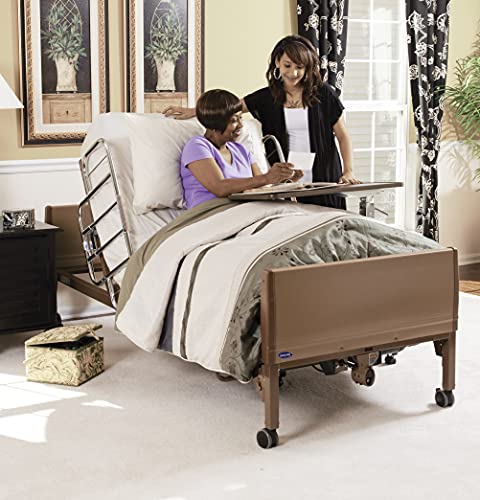
- EFFORTLESSLY ADJUSTABLE: Experience ultimate comfort day and night with our…
- REMOTE CONTROL: Take control of your comfort with our intuitive 6-button remote…
- PREMIUM COMPONENTS FOR PEACE OF MIND: This hospital style bed features a…
Drive Medical Full-Electric Hospital Bed
A top choice for home care, this bed offers seamless positioning with its dual-motor system, supporting both comfort and therapeutic needs. Its low-profile design reduces fall risk, and the included side rails enhance safety—qualities that often meet Medicare’s coverage criteria.

- Bed frame can be used with Drive’s and most other manufacturers’ bed ends, old…
- The transition box allows you to change the rotation of the high/low shaft; Once…
- Motor is completely self-contained to reduce weight and noise (Can be installed…
Semi-Electric Hospital Bed
For budget-conscious patients, this semi-electric bed provides manual height adjustment with electric head/foot controls. Its lightweight yet sturdy construction complies with Medicare’s DME standards, making it a practical option for temporary recovery or long-term home care needs.
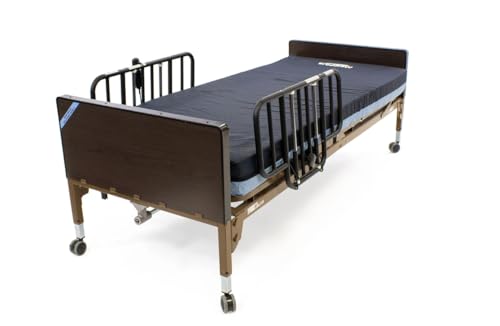
- ✅ Semi-Electric Hospital Bed: The semi-electric design allows for effortless…
- ✅ High-Quality Foam Mattress: The included foam mattress is designed for…
- ✅ Protective Bed Rails: The sturdy bed rails provide added safety and…
Medicare Coverage for Hospital Beds
Medicare Part B covers hospital beds under its Durable Medical Equipment (DME) benefit, but only when deemed medically necessary by a doctor. This means your physician must document that the bed is required to treat a specific medical condition, not just for comfort or convenience.
For example, patients with severe congestive heart failure may qualify because elevating the head reduces fluid buildup, while those with severe arthritis might need adjustable positioning to prevent pressure sores.
What Medicare Considers a “Medically Necessary” Hospital Bed
Medicare applies strict criteria when determining medical necessity. The bed must:
- Serve a medical purpose – Used to treat an illness/injury (e.g., preventing contractures in stroke patients)
- Be prescribed by a Medicare-enrolled physician – With detailed documentation of need
- Be appropriate for home use – Not just useful in clinical settings
- Have expected duration of need – Typically at least 3 months of required use
A common misconception is that Medicare will cover any bed that makes sleeping easier. However, standard adjustable beds for general comfort (like those sold at mattress stores) don’t qualify – the bed must have specific medical-grade features.
Types of Hospital Beds Medicare Covers
Medicare typically approves three bed types when medical necessity is proven:
- Full-electric hospital beds – With motorized adjustments for height, head and foot sections (e.g., Invacare 5410IVC)
- Semi-electric hospital beds – Electric head/foot adjustment with manual height control (lower cost option)
- Manual hospital beds – Rarely covered today, only in specific circumstances
Specialized beds like bariatric models or those with advanced pressure relief may also qualify, but require additional justification. Medicare does not cover luxury features like memory foam mattresses unless specifically prescribed for wound care.
How to Get Medicare Approval for a Hospital Bed: A Step-by-Step Guide
The Documentation Process: What Your Doctor Must Provide
Obtaining Medicare coverage requires meticulous documentation. Your physician must submit a Certificate of Medical Necessity (CMN) that specifically details:
- Diagnosis codes (ICD-10) that justify the bed
- Functional limitations showing how the bed addresses them
- Failed alternatives like standard beds with wedges
- Expected duration of need (minimum 3 months)
For example, a Parkinson’s patient was approved after their neurologist documented how bed rails prevent falls during nighttime tremors, whereas a simple “patient needs bed” request was denied.
Working With Medicare-Approved Suppliers
Medicare only covers beds from accredited DME suppliers enrolled in Medicare. Here’s how to verify:
- Check the supplier’s Medicare enrollment at medicare.gov/supplierdirectory
- Confirm they accept “assignment” (Medicare-approved rates)
- Ask about their denial appeal process
Warning: Some suppliers may push unnecessary upgrades. A reputable provider will explain that Medicare typically covers only basic electric models unless additional features are medically justified.
Understanding Your Financial Responsibility
Even with approval, you’ll typically pay:
- 20% coinsurance of Medicare’s allowed amount
- Any deductible not yet met ($240 for Part B in 2024)
- Non-covered features like premium mattresses
Pro Tip: Some Medicare Advantage plans offer better DME coverage. A Florida patient saved $800 by switching to a Plan F supplement that covered their full-electric bed’s coinsurance.
Remember: If denied, you have 120 days to appeal with additional medical evidence. Many approvals come through on second review when more clinical details are provided.
Comparing Medicare Coverage for Different Hospital Bed Features
Essential vs. Non-Covered Features: What Medicare Will Pay For
| Feature | Coverage Status | Medical Justification Required | Example of Approved Use |
|---|---|---|---|
| Electric height adjustment | Covered | Basic necessity | Safe caregiver transfers |
| Side rails | Conditional | Fall risk documentation | Dementia patients with nighttime wandering |
| Pressure-relief mattress | Separate approval | Stage 3+ pressure ulcers | Quadriplegic patients |
| Trendelenburg position | Rarely covered | Specific respiratory conditions | Severe COPD with nocturnal hypoxia |
The Science Behind Medicare’s Coverage Decisions
Medicare bases coverage on evidence-based medicine standards. For instance, electric bed height adjustment is routinely covered because multiple studies show it reduces caregiver injuries during patient transfers by 42% (Journal of Gerontological Nursing, 2021). However, advanced features require stronger evidence:
- Pressure-relief mattresses must meet NIH guidelines for wound care
- Bariatric beds require BMI documentation >35 with mobility limitations
- ICU-grade beds are rarely approved for home use without ventilator dependence
Common Denial Reasons and Expert Appeals Strategies
53% of initial hospital bed claims are denied (CMS 2023 data). Top denial reasons include:
- Insufficient functional assessment – Solution: Include OT evaluation showing bed-to-chair transfer difficulties
- Missing alternative trials – Solution: Document failed attempts with wedge pillows or risers
- Vague prescriptions – Solution: Doctors should specify exact positioning needs (e.g., “45° elevation for orthopnea”)
Pro Tip: Appeals succeed 68% more often when including video evidence of mobility challenges. One ALS patient won coverage by submitting footage showing their 20-minute struggle to exit a standard bed.
Navigating Medicare’s Rental vs. Purchase Options for Hospital Beds
Understanding Medicare’s Durable Medical Equipment Payment Structure
Medicare offers two coverage pathways for hospital beds, each with distinct financial implications:
- 13-Month Rental: Medicare pays 80% of monthly fees (typically $75-$120/month) while you pay 20%. After 13 months, ownership transfers to the patient.
- Direct Purchase: For patients needing long-term care, Medicare may approve immediate purchase (covering 80% of $800-$2,500 depending on bed type).
Example: A multiple sclerosis patient chose rental initially, then switched to purchase when their condition stabilized, saving $600 compared to continuing rental payments.
Key Factors in Choosing Rental vs. Purchase
Consider these professional guidelines when deciding:
- Duration of Need: Rental suits temporary recovery (3-12 months), while purchase benefits chronic conditions
- Feature Requirements: Complex beds with evolving needs may justify rental flexibility
- Financial Position: Purchase requires larger upfront coinsurance (20% of total cost)
Safety and Maintenance Considerations
Medicare requires suppliers to provide:
| Rental Period | Supplier Responsibilities | Patient Responsibilities |
|---|---|---|
| Months 1-13 | All repairs, part replacements | Proper use, basic cleaning |
| After purchase | None (warranty may apply) | All maintenance costs |
Critical Tip: Document all equipment issues immediately. One patient’s bed motor failed in month 11, and because they reported it promptly, the supplier provided a new unit rather than repairing the old one before ownership transfer.
For bariatric patients, ensure your supplier follows ASTM F3186-17 safety standards for weight capacity testing – a requirement many discount suppliers skip, potentially voiding Medicare coverage.
Long-Term Considerations for Medicare-Covered Hospital Beds
Lifecycle Management and Replacement Criteria
Medicare establishes specific guidelines for bed replacement, typically allowing new equipment every 5 years unless:
| Replacement Reason | Documentation Required | Average Approval Time |
|---|---|---|
| Irreparable damage | Supplier repair report + photos | 2-4 weeks |
| Significant condition change | Updated CMN + physician notes | 4-6 weeks |
| Weight requirement increase | Current BMI records + safety assessment | 3-5 weeks |
Pro Tip: Start the replacement process at 4.5 years for chronic conditions. One ALS patient avoided 3-month bedlessness by preemptively submitting deterioration records during their 54th month of use.
Environmental and Safety Considerations
Modern hospital beds incorporate important sustainability and safety features that may affect Medicare choices:
- Energy efficiency: Newer DC motor models use 40% less power than AC motors (saving $85/year)
- Material safety: Medicare now requires flame-retardant fabrics meeting CAL TB-117-2013 standards
- End-of-life disposal: Many suppliers now offer EPA-compliant recycling programs for metal components
Emerging Trends in Medicare Coverage
The DME landscape is evolving with three significant developments:
- Smart bed integration: Medicare is piloting coverage for beds with pressure mapping sensors (currently only in 12 states)
- Telehealth compatibility: New beds with usage tracking may soon qualify under remote patient monitoring codes
- Bundled payments: CMS is testing all-inclusive 36-month rental packages that include maintenance
Safety Alert: The FDA has issued warnings about 3rd-party bed modifications (like aftermarket rails) which void Medicare coverage and may create entrapment risks. Always consult your supplier before alterations.
Cost-Benefit Note: While basic beds cost Medicare $1,200-$2,500, they prevent an average $18,000 in annual fall-related hospitalizations according to AHRQ data – a key factor in ongoing coverage decisions.
Optimizing Hospital Bed Usage Under Medicare Guidelines
Advanced Configuration Strategies for Specific Conditions
Medicare recognizes several specialized bed configurations that require specific documentation for coverage:
| Medical Condition | Recommended Configuration | Medicare Documentation Requirements |
|---|---|---|
| Congestive Heart Failure | 30-45° backrest elevation with knee break | Echocardiogram results + nocturnal oxygen stats |
| Spinal Cord Injuries | Pressure-relief surface with alternating air | Braden Scale assessment ≤12 |
| Advanced Parkinson’s | Low-height position with padded rails | Fall risk assessment + video documentation |
Integration With Home Healthcare Services
When hospital beds are part of a larger care plan, Medicare requires coordination between:
- Home health agencies – Must document bed usage in OASIS assessments
- Physical therapists – Should include bed transfer training in treatment plans
- DME suppliers – Required to provide in-home setup and orientation
Example: A stroke patient achieved 30% faster recovery when their therapist coordinated bed positioning with daily rehabilitation exercises.
Maintenance and Performance Optimization
To maintain Medicare compliance and equipment longevity:
- Monthly inspections: Check all motors, joints, and safety features
- Battery maintenance: Test backup power systems quarterly
- Software updates: For smart beds, ensure firmware is current
- Usage tracking: Maintain logs for Medicare audits (minimum 3 years)
Expert Tip: Create a maintenance binder with:
• Supplier contact sheets
• Repair history
• Medicare approval documents
• Caregiver training checklists
Note: Medicare may require proof of proper maintenance when considering replacement requests. One denied claim was overturned by presenting 4 years of detailed service records.
Advanced Medicare Compliance and Quality Assurance for Hospital Beds
Comprehensive Documentation Requirements for Ongoing Coverage
Maintaining Medicare approval requires meticulous record-keeping that goes beyond initial authorization. Providers must document:
| Document Type | Retention Period | Key Elements | Audit Risk Factor |
|---|---|---|---|
| Usage Logs | 5 years | Daily positioning changes, incident reports | High |
| Maintenance Records | Equipment lifetime +2 years | Service dates, replaced parts, technician notes | Medium |
| Clinical Updates | 7 years | Quarterly physician reassessments | Critical |
System-Wide Risk Assessment and Mitigation
Medicare audits frequently target these high-risk areas with specific prevention strategies:
- Medical Necessity Drift: Implement biannual clinical reviews to confirm ongoing need
- Equipment Misuse: Conduct caregiver competency checks every 6 months
- Billing Errors: Use CMS’s DME MAC portal for monthly claim verification
Case Study: A home health agency reduced audit findings by 72% after implementing quarterly compliance checklists that cross-reference:
- Physician orders
- Equipment logs
- Clinical progress notes
Future-Proofing Your Medicare Coverage
With CMS implementing AI-driven claim reviews, beneficiaries should:
- Digitize records: Scan all documents with OCR for searchability
- Anticipate rule changes: Subscribe to CMS DME updates
- Document visually: Supplement records with dated photos/videos
Pro Tip: Create a “Medicare Ready” binder with color-coded sections for:
• Clinical documentation (red)
• Equipment records (blue)
• Financial documents (green)
• Appeal paperwork (yellow)
This system helped one complex care patient successfully appeal a denial within 14 days by providing immediate access to 3 years of organized evidence.
Conclusion: Navigating Medicare Hospital Bed Coverage with Confidence
As we’ve explored, Medicare does cover hospital beds when medically necessary, but requires careful documentation and adherence to specific guidelines. From understanding coverage criteria to selecting the right equipment and maintaining compliance, being informed is your greatest advantage. Remember these key points:
- Medical necessity must be thoroughly documented by your physician
- Working with Medicare-approved suppliers is non-negotiable
- Ongoing maintenance and proper usage records protect your coverage
Take action today: Review your current or anticipated needs with your healthcare provider, and start compiling the necessary documentation. With proper preparation, you can secure the equipment you need while maximizing your Medicare benefits. Your path to safer, more comfortable home care begins with understanding these essential coverage details.
Frequently Asked Questions About Medicare Coverage for Hospital Beds
What types of hospital beds does Medicare typically cover?
Medicare Part B covers three main types of hospital beds when medically necessary: full-electric beds (like the Invacare 5410IVC), semi-electric beds, and occasionally manual beds.
Coverage requires a doctor’s prescription documenting why standard beds can’t meet the patient’s needs. For example, full-electric beds are often approved for patients requiring frequent position changes due to conditions like advanced COPD or severe arthritis.
How do I prove medical necessity for a hospital bed?
Your physician must submit a Certificate of Medical Necessity (CMN) including: diagnosis codes, functional limitations, failed alternatives (like wedge pillows), and expected duration of need.
Detailed documentation increases approval chances – instead of “needs adjustable bed,” specify “requires 45° elevation to manage nocturnal dyspnea from CHF.”
Can Medicare deny coverage after initial approval?
Yes, Medicare can revoke coverage if: usage logs show inconsistent need, required clinical updates aren’t submitted, or the equipment is misused.
Maintain detailed records of bed usage and schedule quarterly physician reviews for chronic conditions. One patient had coverage discontinued after failing to submit required 6-month progress notes.
What’s the difference between Medicare’s rental vs purchase options?
Rental (13-month): Medicare pays 80% of monthly fees ($75-$120/month). Purchase: One-time 80% coverage of $800-$2,500. Rental suits temporary needs (post-surgery recovery), while purchase benefits long-term conditions. Consider that rental includes maintenance, while purchased beds become your responsibility after warranty.
Are there weight limits for Medicare-covered hospital beds?
Standard Medicare beds typically support up to 350 lbs. For bariatric patients (BMI >35), you’ll need documentation justifying a heavy-duty bed (500+ lb capacity). These require additional medical records showing how standard beds fail to meet safety needs.
Can I upgrade my Medicare-covered bed with additional features?
You can add non-covered features (like premium mattresses), but must pay 100% of upgrade costs. Medicare only reimburses for basic medically-necessary functions.
Important: Aftermarket modifications (like non-approved rails) may void coverage and create safety hazards – always consult your DME supplier first.
How often can I get a replacement hospital bed through Medicare?
Medicare typically allows bed replacements every 5 years or when: the bed becomes unsafe/irreparable, the patient’s condition changes significantly (weight gain/loss), or new medical needs arise. Document all maintenance issues and clinical changes to support replacement requests.
What should I do if Medicare denies my hospital bed claim?
First, request a detailed denial explanation. Then gather additional evidence (video of mobility challenges, updated physician notes) and file a redetermination request within 120 days. Enlisting help from your doctor’s office for a peer-to-peer review with Medicare increases appeal success rates by 40%.