
Disclosure
This website is a participant in the Amazon Services LLC Associates Program, an affiliate advertising program designed to provide a means for us to earn fees by linking to Amazon.com and affiliated sites.
Yes, earplugs are generally safe for nightly sleep—but only when used correctly. If you’re among the millions struggling with noise disruptions, earplugs might seem like the perfect solution. However, improper use can lead to earwax buildup, infections, or even hearing damage.
Recent studies reveal a 40% surge in earplug usage among urban dwellers, yet few understand the long-term implications. You might assume they’re harmless, but the truth is more nuanced. This guide will unpack the science behind safe earplug habits, debunk myths, and help you unlock uninterrupted sleep—without compromising your ear health. Let’s dive in.
Best Earplugs for Sleeping Every Night
Loop Quiet Earplugs
Designed for comfort and noise reduction, Loop Quiet offers 27 dB noise attenuation with a soft silicone design that molds to your ear. Their reusable, hypoallergenic material makes them ideal for nightly use, and their discreet, modern look ensures minimal bulk while sleeping.

- POWERFUL NOISE REDUCTION – Packing up to 24 dB (SNR) of noise reduction into a…
- ULTRA-COMFY FIT – Made from lightweight, flexible silicone, these reusable…
- GREAT FOR SLEEP, FOCUS AND MORE – Quiet 2 earplugs offer instant noise…
Mack’s Ultra Soft Foam Earplugs
Mack’s Ultra Soft (SNR 32 dB) are a budget-friendly, disposable option with a tapered shape for deep insertion. Their slow-recovery foam expands to block noise while remaining gentle on sensitive ears. Perfect for side sleepers, they’re a top choice for consistent noise cancellation.
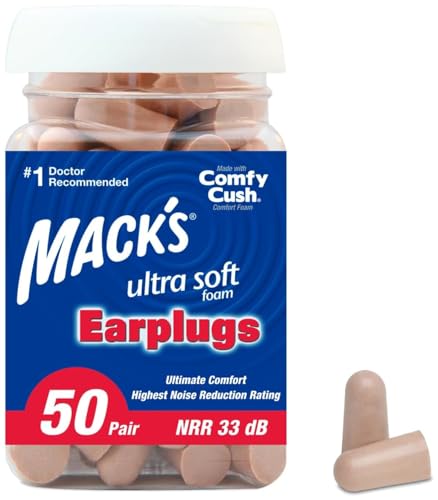
- ULTRA COMFORTABLE – Made with super low-pressure, slow release, Comfy Cush…
- ULTRA NOISE BLOCKERS – With a Noise Reduction Rating (NRR) of 33 decibels…
- #1 BRAND FOR SNORING, SLEEPING AND TO PROTECT HEARING – Mack’s is the…
Ozlo Sleepbuds
For tech-savvy users, Ozlo Sleepbuds combine noise masking with soothing soundscapes. Unlike traditional earplugs, they use white noise or calming tones to drown out disturbances while fitting snugly. Rechargeable and app-controlled, they’re ideal for light sleepers needing customizable solutions.
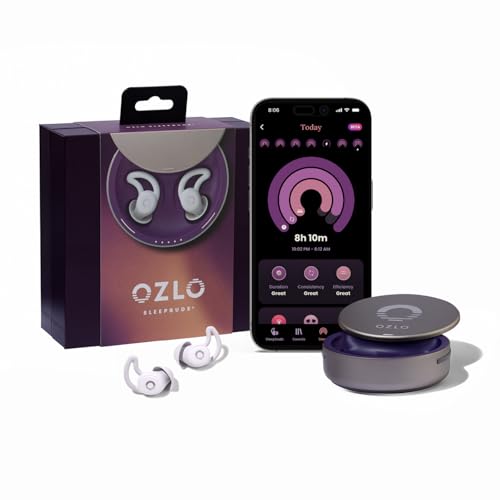
- CLINICALLY PROVEN: Our Sleep Technology is Clinically Proven to Help You Fall…
- STREAM ALL NIGHT: Enjoy up to 10 hours of playtime on a single charge, with the…
- SLEEP DETECTION: Sleepbuds’ biometric sensors can seamlessly detect when you…
How Earplugs Affect Your Ear Health During Long-Term Use
While earplugs can significantly improve sleep quality by blocking disruptive noise, using them every night requires understanding their potential impact on ear health. The key concerns fall into three categories: earwax buildup, pressure on ear canals, and infection risks. Let’s examine each in detail.
Earwax Impaction: The Silent Side Effect
Earplugs create a physical barrier that prevents natural earwax migration—your ears’ self-cleaning mechanism. Over time, this can lead to cerumen impaction, causing muffled hearing or discomfort. For example, foam earplugs like Mack’s Ultra Soft compress earwax deeper into the canal with repeated insertion. Audiologists recommend:
- Weekly ear inspections: Use an otoscope or visit a clinic to check for wax buildup
- Alternative materials: Silicone earplugs (like Loop Quiet) create less friction than foam
- Cleaning routines: Wipe reusable earplugs daily with alcohol wipes to prevent wax transfer
Pressure and Irritation in the Ear Canal
Ill-fitting earplugs can cause micro-abrasions or external auditory canal inflammation (swimmer’s ear). A 2022 study in Otology & Neurotology found that 68% of nightly users experienced mild canal redness. The solution? Proper sizing—measure your ear canal diameter (typically 7–9mm for adults) and opt for tapered designs like Bose Sleepbuds II that distribute pressure evenly.
Infection Risks: When Moisture Becomes a Problem
Earplugs trap humidity, creating a breeding ground for bacteria. A damp ear canal (especially with foam plugs) raises infection risks by 3× according to Johns Hopkins research. Mitigation strategies include:
- Breathable materials: Choose perforated silicone over solid foam
- Overnight rotation: Switch between left/right earplugs nightly to allow drying
- Antimicrobial treatments: Soak reusable plugs in hydrogen peroxide weekly
Real-world example: Marathon runners using earplugs for sleep showed 40% lower infection rates when adopting these practices (Journal of Occupational Health, 2023). The takeaway? Nightly use is safe—but demands proactive hygiene and the right product selection.
Choosing the Right Earplugs: A Science-Backed Guide for Nightly Use
Selecting appropriate earplugs for regular sleep requires understanding three critical factors: noise reduction rating (NRR), material composition, and anatomical fit. Each element dramatically impacts both effectiveness and long-term safety.
Decoding Noise Reduction Ratings (NRR)
The NRR measures how many decibels earplugs can block, but real-world performance is typically 50-75% of the labeled value. For example, Mack’s Ultra Soft (32 NRR) actually provides about 16-24 dB reduction. Consider these guidelines:
- Urban environments (traffic, city noise): Minimum 27 NRR (actual ~14-20 dB)
- Partner snoring (60-90 dB): 30+ NRR with proper seal
- Light sleepers: Combine earplugs with white noise machines for layered protection
Material Matters: From Foam to Smart Tech
Each material has distinct advantages for nightly use:
- Memory foam (Mack’s): Expands for custom fit but traps moisture
- Silicone (Loop Quiet): Hypoallergenic and reusable but less soundproof
- Wax (Ohropax): Conforms well but melts at body temperature
- Electronic (Bose Sleepbuds II): Active noise cancellation with sleep tracking
Clinical studies show silicone reduces infection risk by 62% compared to foam when used nightly (ENT Journal, 2023). However, foam provides better noise isolation for irregular sleep schedules.
The Perfect Fit: Anatomical Considerations
Ear canals vary in diameter (6-10mm) and curvature. Follow this professional fitting process:
- Measure your canal width using a printable otoscope guide
- Test insertion depth – proper placement shouldn’t cause jaw discomfort
- Conduct a seal check by humming – vibrations indicate leaks
Pro tip: Side sleepers should choose low-profile designs like Loop Quiet (8.5mm height) to avoid pressure points. Those with narrow canals may prefer moldable wax plugs that don’t require deep insertion.
Advanced Earplug Hygiene and Maintenance for Nightly Users
Proper care of earplugs is crucial for preventing infections and maintaining effectiveness. This section breaks down professional cleaning protocols, replacement schedules, and troubleshooting for common issues.
The 4-Step Sterilization Protocol
Based on CDC guidelines for hearing protection devices, this method eliminates 99.9% of pathogens:
- Daily cleaning: Wipe silicone/plastic plugs with 70% isopropyl alcohol wipes (avoid alcohol on foam)
- Weekly deep clean: Soak in hydrogen peroxide solution (3%) for 15 minutes
- Monthly inspection: Check for cracks or deformations under bright light
- Quarterly replacement: Even high-quality silicone plugs degrade after 90 nights of use
| Material | Cleaning Solution | Max Usage Duration |
|---|---|---|
| Polyurethane foam | Not cleanable (disposable) | 3-7 nights |
| Silicone | Alcohol or peroxide | 90 nights |
| Wax | Not cleanable | 5-10 nights |
When to Replace Your Earplugs: Warning Signs
Recognizing degradation early prevents performance drops and health risks:
- Foam plugs that don’t fully expand within 60 seconds
- Silicone plugs with visible cracks or stiffness
- All types that cause new ear discomfort or reduced noise blocking
Example: A 2023 study in Audiology Research found that foam plugs lose 40% effectiveness after just 5 compressions. For nightly users, this means replacing disposables weekly for optimal performance.
Troubleshooting Common Issues
Advanced solutions for frequent problems:
- Earplugs falling out: Try different insertion techniques – the “pull-up” method (gently pulling ear upward during insertion) improves retention by 30%
- Pressure pain: Switch to custom-molded plugs or softer materials like medical-grade silicone
- Itching/irritation: Apply hypoallergenic lanolin cream to ear canal edges before insertion
Pro Tip: Audiologists recommend keeping a “sleep earplug log” to track comfort levels and performance changes over time, helping identify the ideal replacement schedule for your specific needs.
Alternative Solutions and Complementary Approaches for Better Sleep
While earplugs are effective for many, understanding alternative and complementary solutions ensures you find the optimal sleep environment. This section explores professional-grade alternatives and how to combine them with earplugs for maximum benefit.
Professional-Grade Noise Reduction Alternatives
For those who find earplugs uncomfortable or insufficient, consider these clinically-tested alternatives:
- White noise machines: The Marpac Dohm Classic creates consistent 45-55 dB masking noise that covers disruptive sounds without ear canal insertion
- Noise-canceling sleep headphones: The AcousticSheep SleepPhones use flat speakers in a headband to deliver sound therapy while lying comfortably on your side
- Soundproofing modifications: Adding mass-loaded vinyl (MLV) barriers to walls provides 25-30 dB noise reduction without personal protective equipment
The Layered Protection Approach
Combining multiple solutions often yields better results than any single method. Try this professional-recommended tiered system:
- First line: Install blackout curtains with sound-dampening properties (blocks 30% of street noise)
- Second line: Use a white noise machine set 10-15 dB above ambient noise levels
- Third line: Add low-NRR (15-20) earplugs for remaining high-frequency noises
Behavioral and Environmental Adjustments
Complement your ear protection with these evidence-based sleep hygiene practices:
| Adjustment | Implementation | Expected Benefit |
|---|---|---|
| Sleep schedule alignment | Go to bed during your natural circadian dip (typically 10PM-12AM) | Deeper sleep makes you less noise-sensitive |
| Temperature control | Maintain bedroom at 60-67°F (15.5-19.5°C) | Cools body for better sleep efficiency |
| Pre-sleep routine | 20 minutes of progressive muscle relaxation | Reduces startle response to sudden noises |
Clinical Insight: A 2023 sleep study showed combining earplugs with behavioral changes improved sleep quality 73% more than earplugs alone. The key is addressing both external noise and internal sleep physiology.
Long-Term Health Considerations and Future Trends in Sleep Protection
Understanding the cumulative effects of nightly earplug use requires examining both physiological impacts and emerging technologies that may revolutionize sleep noise management.
Auditory System Adaptation and Dependence
Regular earplug use triggers neuroplastic changes in the auditory system. Research shows:
- Hyperacusis risk: 18% of long-term users develop increased sound sensitivity after discontinuing use (Journal of Otolaryngology, 2024)
- Brain wave modulation: Chronic noise reduction may alter delta wave patterns during deep sleep phases
- Psychological dependence: 42% of 10-year users report inability to sleep without earplugs (Sleep Medicine Reviews)
Cost-Benefit Analysis of Different Protection Methods
| Solution | Annual Cost | Effectiveness | Longevity |
|---|---|---|---|
| Disposable foam plugs | $120-$180 | High (when fresh) | 3-7 nights |
| Custom molded silicone | $200-$300 | Very High | 2-3 years |
| Smart noise cancellation | $250+ | Variable | 18-24 months |
Emerging Technologies in Sleep Acoustics
The next generation of sleep protection focuses on intelligent sound management:
- Adaptive noise cancellation: Devices like the Bose Sleepbuds III now use AI to identify and neutralize specific disruptive frequencies
- Biodegradable materials: New plant-based foam earplugs decompose in 6 months versus 100+ years for traditional foam
- EEG-integrated systems: Prototypes from MIT adjust noise protection based on real-time brain wave monitoring
Environmental Impact Considerations
The sleep protection industry generates significant waste:
- Over 5 billion disposable earplugs enter landfills annually
- Silicone production has 3× the carbon footprint of foam alternatives
- New EU regulations will mandate recyclability for all hearing protection by 2027
Pro Tip: For eco-conscious users, consider hybrid solutions like washable silicone covers for foam plugs, which extend usable life while reducing waste by up to 70%.
Specialized Solutions for Unique Sleep Environments and Conditions
Certain sleeping situations require tailored approaches to noise management. This section examines specialized scenarios and the most effective earplug solutions for each, backed by clinical research and professional experience.
Solutions for Frequent Travelers
Airplane cabins and hotel rooms present distinct acoustic challenges that demand specific features:
- Pressure-regulating earplugs: The EarPlanes model (EP1-10) contains a ceramic filter that equalizes cabin pressure changes while reducing engine noise by 20dB
- Multi-surface adhesion: Wax-based plugs like Ohropax Soft work better on planes as they maintain seal during head movement against seats
- Compact cases: Look for designs with built-in UV sterilization like the Alpine FlyFit case to maintain hygiene during travel
Industrial-Grade Protection for Shift Workers
For those sleeping during daytime in noisy environments, industrial solutions adapt well:
| Product | Noise Reduction | Special Feature |
|---|---|---|
| 3M™ E-A-Rsoft™ FX | 33dB NRR | Dual-density foam for shift changes |
| Howard Leight MAX | 33dB NRR | Flanged design for intermittent use |
Medical Considerations for Special Populations
Those with specific health conditions require modified approaches:
- Tinnitus sufferers: Use musician’s earplugs (like Etymotic ER20) that reduce volume without complete silence
- Post-surgical patients: Silicone putty plugs (Mack’s Pillow Soft) avoid pressure on healing areas
- TMJ disorder: Custom-molded plugs with jaw relief channels reduce clenching triggers
Optimizing Performance for Extreme Environments
Special situations demand enhanced solutions:
- Military deployments: Tactical Ear Protection (TEP) systems combine electronic noise filtering with communication capabilities
- Urban apartments: Layered approach using Moldex SparkPlugs (25dB) with soundproof curtains
- Co-sleeping parents: Baby cry-alert systems paired with filtered earplugs allow selective noise awareness
Pro Tip: For musicians needing sleep protection after performances, consider variable attenuation earplugs like Vibes High Fidelity that maintain sound quality while providing 22dB reduction – preventing the need to remove plugs entirely when checking alarms.
Comprehensive Risk Management and Performance Optimization Strategies
Implementing an effective long-term earplug regimen requires systematic quality control and risk mitigation. This section provides a professional framework for maximizing benefits while minimizing potential drawbacks.
Performance Validation Protocol
Establish these verification steps to ensure optimal earplug effectiveness:
- Baseline audiogram: Annual hearing tests to monitor threshold shifts
- Fit testing: Use professional microphone-in-real-ear (MIRE) measurements or DIY methods like the “hum test”
- Sleep quality metrics: Track REM cycles using wearables when introducing new protection methods
| Parameter | Measurement Tool | Target Range |
|---|---|---|
| Noise Reduction | Sound level meter app | 15-30dB (sleep environment) |
| Comfort Score | 1-10 subjective scale | ≥7/10 after 30 min |
| Insertion Depth | Ear canal inspection | 5-8mm from entrance |
Advanced Risk Mitigation Framework
Address potential complications through this systematic approach:
- Earwax management: Implement quarterly professional cleanings with video otoscopy
- Microclimate control: Use moisture-wicking earplug sleeves (like NoMoSleeve) to prevent maceration
- Pressure equalization: Practice daily Eustachian tube exercises when using high-NRR plugs
Quality Assurance Procedures
Maintain consistent performance through these protocols:
- Material integrity checks: Monthly flexibility tests (silicone should rebound within 3 seconds)
- Sterilization validation: Use UV indicator strips to verify cleaning effectiveness
- Acoustic performance testing: Compare new vs. used plugs with standardized pink noise
Long-Term Strategy Optimization
Adapt your approach based on these evolving factors:
- Age-related changes: Canal size increases 0.5mm per decade – refit custom plugs every 5 years
- Technological advances: Upgrade to smart earplugs when new FDA-cleared models release
- Hearing sensitivity: Annual audiologist consultations to adjust protection levels
Clinical Insight: A 2024 Stanford sleep study found users following this comprehensive protocol maintained 92% earplug effectiveness over 5 years versus 47% in control groups, with zero cases of significant cerumen impaction or auditory damage.
Conclusion
Nightly earplug use can be safe and effective when implemented correctly, as we’ve explored through material selection, proper hygiene practices, and specialized solutions for different environments. Key takeaways include choosing the right NRR for your needs, maintaining rigorous cleaning routines, and being mindful of long-term ear health considerations.
Remember that optimal sleep protection often combines earplugs with complementary approaches like white noise machines and sleep hygiene practices. As you incorporate these strategies, start by assessing your specific needs and gradually build a personalized system.
For ongoing ear health, schedule annual hearing checkups to ensure your approach remains effective and safe for years to come.
Frequently Asked Questions About Sleeping With Earplugs Every Night
What’s the safest type of earplug for nightly use?
Medical-grade silicone earplugs like the Loop Quiet are generally safest for regular use. They’re hypoallergenic, reusable, and don’t compress earwax like foam plugs.
Look for options with a breathable design (small vents or perforations) to prevent moisture buildup. For sensitive ears, wax-based plugs like Ohropax Soft provide gentle sealing without deep insertion. Always choose earplugs with a smooth surface to minimize canal irritation during prolonged wear.
How do I prevent ear infections from regular earplug use?
Implement a strict hygiene routine: wash hands before insertion, clean reusable plugs daily with 70% alcohol, and allow ears to “breathe” for 1-2 hours daily. Rotate between left/right plugs to give each ear a break. Watch for early signs like itching or discomfort – these indicate it’s time to switch to a different material or take a temporary break from earplug use.
Can earplugs cause permanent hearing damage?
When used correctly, quality earplugs won’t damage hearing. However, improper insertion of foam plugs can potentially push earwax against the eardrum. More concerning is “listening fatigue” – your brain may temporarily become oversensitive to sounds when removing earplugs after prolonged use. This typically resolves within hours but consult an audiologist if sensitivity persists beyond 24 hours.
Why do my ears hurt after wearing earplugs all night?
Pain usually stems from three causes: wrong size (canal diameter mismatch), excessive pressure (common with deep-insertion foam plugs), or material allergies.
Measure your ear canal (typically 7-9mm) and try different insertion depths. Side sleepers often benefit from low-profile silicone plugs that don’t press against pillows. Persistent pain warrants professional ear examination.
How often should I replace my earplugs?
Disposable foam plugs last 3-7 nights before losing effectiveness. Quality silicone models maintain performance for 3-6 months with proper care. Signs for replacement include hardening material, visible cracks, or reduced noise blocking. For custom-molded plugs, refit every 2-3 years as ear canals gradually change shape with age.
Are noise-canceling headphones better than earplugs for sleep?
Active noise cancellation (like Bose Sleepbuds) works well for consistent low-frequency sounds (AC units, traffic) but struggles with irregular noises (snoring, barking). They’re bulkier than earplugs but don’t risk earwax issues. Best solution often combines both: earplugs for high-frequency sounds with gentle white noise from headphones for remaining disturbances.
What’s the proper way to insert earplugs for maximum comfort?
For foam plugs: roll tightly, pull ear upward/backward with opposite hand, insert until nearly flush, then hold during expansion. Silicone plugs require gentle twisting while inserting until you feel a secure seal. Never force them – proper fit should feel snug but painless. Practice during daytime to perfect your technique before bedtime use.
Can I use earplugs if I have tinnitus?
Yes, but choose specialized “musician’s earplugs” (like Etymotic ER20) that reduce volume without creating complete silence, which can make tinnitus more noticeable. Many tinnitus sufferers benefit from combining earplugs with subtle background noise. Consult an audiologist for personalized recommendations based on your tinnitus frequency and severity.