
Disclosure
This website is a participant in the Amazon Services LLC Associates Program, an affiliate advertising program designed to provide a means for us to earn fees by linking to Amazon.com and affiliated sites.
Yes, adjustable beds can be an effective solution for reducing snoring. They work by elevating the head and upper body. This simple positional change can open airways significantly.
This addresses a primary cause of snoring: airway obstruction. By improving sleep posture, these beds promote easier breathing. The result is often quieter nights for everyone.
Best Adjustable Beds for Snoring – Detailed Comparison
Acidbolt Adjustable Bed Frame – Best Overall Quiet Base
The Acidbolt Adjustable Bed Frame features a near-silent brushless motor system designed for minimal operational noise. Its robust, all-metal frame construction prevents squeaks and rattles. This is the ideal choice for light sleepers who prioritize whisper-quiet adjustments and premium build quality.
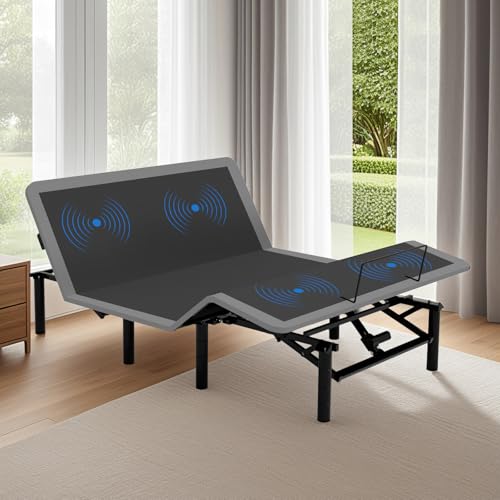
- 🛌 Five-Zone Massage Therapy: Unwind with five customizable massage modes and…
- 🛌 Guided Nighttime Convenience: Navigate safely in the dark with the…
- 🛌 Dual-Port Charging Hub: Stay connected with both Type-A and Type-C USB…
iDealBed 5i Custom Adjustable Bed base – Best for Smart, Quiet Adjustments
iDealBed 5i Custom Adjustable Bed base uses a smooth-glide articulation system that reduces mechanical grinding sounds. Its integrated smart home compatibility allows for quiet, scheduled position changes. This model is recommended for tech-savvy users seeking a seamless and quiet smart bed experience.
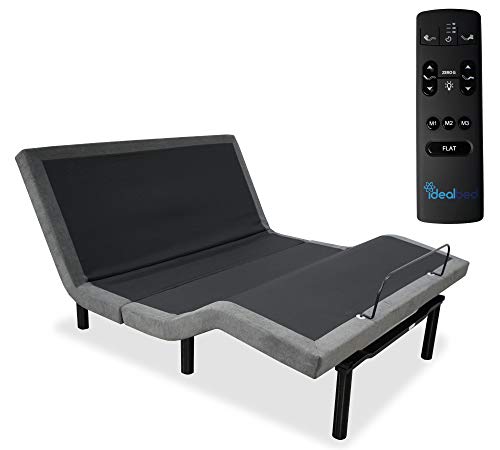
- Enhance your comfort and sleep with full head and foot articulation the Head…
- Luxurious Interactive Wireless Ergonomic Remote, Back-Lit and marked function…
- Advanced Smooth and Silent Drive Technology Motors, German engineered motors to…
Reverie R650 – Best Value Quiet Performance
The Reverie R650 offers excellent quiet operation with its dual ultra-quiet motors and a solid, rattle-free wooden slat system. It provides powerful lift at a more accessible price point. This is the best option for those seeking reliable, quiet functionality without the premium brand price tag.

- This is Reverie’s latest model (R650) featuring the best tech in the industry…
How Adjustable Beds Help Stop Snoring: The Science Explained
Adjustable beds combat snoring through positional therapy. This method tackles the root mechanical causes of obstructive sleep apnea and simple snoring. Elevating the upper body creates a clear, open airway for easier breathing throughout the night.
The Primary Mechanism: Upper Body Elevation
Raising the head and torso uses gravity to your advantage. It prevents the tongue and soft tissues in the throat from collapsing backward. This collapse is a primary cause of airway obstruction and the resulting vibration—snoring.
- Reduces Tissue Collapse: Elevation keeps the airway passage wider and more stable.
- Decreases Nasal Congestion: A raised position can improve sinus drainage, reducing mouth breathing.
- Improves Diaphragm Function: This posture can ease breathing effort and promote better oxygen flow.
Optimal Positioning for Maximum Relief
Not all elevation is equal. The most effective anti-snoring position is a gentle, full-torso incline. Experts often recommend an elevation between 30 to 45 degrees for the best results.
This full-torso support is crucial. It maintains proper spinal alignment while achieving the therapeutic angle. Simply stacking pillows can strain your neck and may even worsen the problem.
Comparing to Other Anti-Snoring Solutions
How does an adjustable bed stack up against common alternatives? This table highlights the key differences.
| Solution | How It Works | Pros & Cons for Snoring |
|---|---|---|
| Adjustable Bed | Elevates entire upper body positionally. | Pro: Addresses root cause, comfortable, benefits overall sleep. Con: Higher upfront investment. |
| Specialty Pillows | Attempts to align head and neck. | Pro: Low cost, simple. Con: Often ineffective for moderate-severe snoring, can cause neck pain. |
| Mandibular Devices | Repositions jaw to open airway. | Pro: Clinically effective for many. Con: Can be uncomfortable, cause jaw soreness. |
The adjustable bed offers a holistic, non-invasive approach. It provides relief without requiring you to wear any device. This makes it a sustainable, comfortable long-term solution for many people.
Key Features to Look for in an Anti-Snoring Adjustable Bed
Choosing the right model is crucial for snoring relief. Not all adjustable bases offer the same therapeutic benefits. Focus on these specific features to maximize your investment and improve your sleep quality.
Essential Adjustability and Preset Programs
Look for independent head and foot articulation. This allows you to find your perfect “Zero Gravity” or anti-snore position. Pre-programmed settings are a major convenience for consistent relief.
- Head Tilt Range: Ensure it elevates to at least 45 degrees for effective airway opening.
- Anti-Snore Preset: A one-touch button that automatically finds an optimal incline.
- Zero Gravity Preset: Distributes weight evenly, reducing pressure and promoting relaxation.
- Wall-Hugging Design: Keeps you centered and near your nightstand as you elevate.
Comfort and Support Enhancements
The right comfort features turn a functional base into a true sleep sanctuary. These elements work together to support the elevated position all night long.
Advanced lumbar support is a game-changer for spinal health. Massage functions can further relax muscles and improve circulation. These features make the elevated position more sustainable and comfortable.
Practical Considerations for Setup and Use
Ease of use ensures you’ll actually utilize the bed’s features every night. Consider noise levels, remote control design, and smart home integration.
- Check the Motor Noise: A quiet motor (under 50 decibels) prevents disturbing your partner.
- Evaluate the Remote: Look for backlit, intuitive remotes or reliable app control.
- Verify Mattress Compatibility: Ensure your current or new mattress is flexible and approved for use.
- Review Warranty & Trial: A strong warranty (10+ years) and sleep trial reduce purchase risk.
Prioritizing these features will guide you to a bed that effectively addresses snoring. The goal is a seamless, comfortable experience that encourages nightly use for lasting benefits.
Who Benefits Most from an Adjustable Bed for Snoring?
Adjustable beds offer significant relief for specific types of snorers. Understanding your snoring profile helps determine if this solution is right for you. The investment delivers the greatest value for individuals with particular sleep patterns and needs.
Ideal Candidate Profiles
Positional snorers see the most dramatic improvement. These individuals snore primarily when sleeping on their back. Elevation prevents the tongue from falling backward and obstructing the airway.
- Back Sleepers: The classic candidate who experiences reduced snoring when turned on their side.
- Those with Mild Sleep Apnea: Can provide therapeutic positioning as part of a management plan (consult a doctor).
- People with Acid Reflux: Elevation also helps with nighttime heartburn, a common snoring aggravator.
- Individuals with Nasal Congestion: Improves sinus drainage, reducing mouth breathing that leads to snoring.
When to Consult a Sleep Specialist First
An adjustable bed is a lifestyle solution, not a medical device. It is crucial to rule out serious underlying conditions like obstructive sleep apnea (OSA). Loud, chronic snoring paired with daytime fatigue is a red flag.
Maximizing Benefits for Couples
Snoring often disrupts a partner’s sleep more than the snorer’s. A dual-adjustable base with independent sides is a powerful solution for couples.
| Situation | Recommended Bed Type | Key Benefit |
|---|---|---|
| One partner snores | Dual-Adjustable (Split Head) | The snorer can elevate while the partner sleeps flat. |
| Both partners snore | Fully Dual-Adjustable (Split King) | Each person can find their perfect anti-snore angle independently. |
| Partner is a light sleeper | Base with Quiet Motors & Mattress with Motion Isolation | Minimizes disturbance from movement or adjustment noise. |
This targeted approach ensures both individuals achieve restorative sleep. The right bed transforms a shared sleep space from a source of conflict back into a sanctuary.
How to Set Up and Use Your Adjustable Bed for Snoring Relief
Proper setup and technique are essential to achieve the full anti-snoring benefits. Simply owning an adjustable bed isn’t enough; you must use it correctly. Follow these steps to optimize your sleep position and environment.
Step-by-Step Positioning Guide
Finding your ideal angle is a personal process. Start with the manufacturer’s “Anti-Snore” preset if available. If not, use this method to discover what works best for you.
- Start at a Low Angle: Begin with a 15-20 degree head elevation for the first few nights.
- Increase Gradually: Slowly increase the angle by 5 degrees every few nights as needed.
- Engage Foot Tilt: Slightly raise the foot section to prevent sliding down and to improve circulation.
- Check Alignment: Ensure your head, neck, and spine are in a neutral, straight line.
Optimizing Your Sleep Environment
The right bedding and accessories enhance the bed’s effectiveness. Standard pillows often fail in an elevated position. You need supportive materials that maintain alignment.
Establishing a Consistent Routine
Consistency is key for your body to adapt and for snoring reduction to become sustained. Make the elevated position a non-negotiable part of your nightly ritual.
- Use Presets Consistently: Always use your saved anti-snore position for sleeping.
- Allow an Adjustment Period: It may take 2-3 weeks for your body to fully adapt to the new posture.
- Partner Communication: Ask your partner for feedback on snoring volume and frequency.
- Track Your Progress: Note changes in how you feel upon waking and your daytime energy levels.
Patience during the initial setup phase pays long-term dividends. A correctly configured bed becomes a powerful, reliable tool for achieving quieter, more restorative sleep.
Potential Drawbacks and Considerations Before Buying
While effective, adjustable beds are not a perfect solution for everyone. It’s important to weigh the potential downsides against the expected benefits. A clear understanding of limitations ensures realistic expectations and a satisfying purchase.
Financial and Practical Investment
The most significant barrier is often cost. A quality adjustable base represents a considerable upfront investment compared to a standard bed frame. This cost is in addition to the price of a compatible mattress.
- Higher Initial Cost: Prices range from $800 for basic models to over $3,000 for premium dual-adjustable bases.
- Increased Electricity Use: The motor and any massage features will marginally increase your power bill.
- Complex Setup: Assembly can be challenging and may require professional delivery and installation.
- Bedding Replacement: You will likely need new sheets with deep pockets or specifically designed for adjustable bases.
Physical and Comfort Adjustments
Your body and sleep habits need time to adapt. Some individuals experience an adjustment period where the new position feels unfamiliar or even uncomfortable.
Limitations in Snoring Reduction
It’s crucial to understand what an adjustable bed cannot fix. It is a positional therapy tool, not a cure for medically complex sleep disorders.
| Scenario | Likely Effectiveness | Recommended Action |
|---|---|---|
| Simple, positional snoring | High – Often significantly reduces or eliminates snoring. | Proceed with purchase; monitor results. |
| Snoring caused by severe obesity | Moderate to Low – May help but not address root cause. | Consult a doctor; consider as part of a broader plan. |
| Diagnosed Obstructive Sleep Apnea | Low as Sole Treatment – Not a substitute for CPAP. | Use to complement prescribed therapy, not replace it. |
Carefully considering these factors will help you make an informed decision. Prioritize models with generous sleep trials to test the bed’s effectiveness for your specific situation risk-free.
Lifestyle Tips to Enhance Snoring Reduction
An adjustable bed is a powerful tool, but combining it with other healthy habits maximizes results. Think of it as the centerpiece of a holistic anti-snoring strategy. These complementary actions can significantly improve your sleep quality and overall health.
Daily Habits for Better Sleep Hygiene
Your daytime choices directly impact nighttime breathing. Simple adjustments can reduce inflammation and relax airway muscles before you even get into bed.
- Maintain a Healthy Weight: Excess weight, especially around the neck, increases tissue pressure on the airway.
- Stay Hydrated: Drink plenty of water throughout the day. Dehydration can make nasal secretions stickier and worsen congestion.
- Limit Alcohol & Sedatives: Avoid these substances for at least 3-4 hours before bedtime, as they over-relax throat muscles.
- Establish a Sleep Schedule: Going to bed and waking up at consistent times regulates your body’s natural sleep-wake cycle.
Bedroom Environment Optimization
Create a sanctuary that promotes easy, unobstructed breathing. Your sleep environment should support the work your adjustable bed is doing.
Targeted Pre-Sleep Routines
What you do in the hour before bed can set the stage for a quiet night. Focus on activities that clear your airways and promote relaxation.
- Take a Warm Shower: The steam helps clear sinus passages and nasal congestion.
- Use a Saline Nasal Spray: This can moisten and clear nasal passages right before lying down.
- Practice Side-Sleeping: Even with elevation, try to start the night on your side. Use a body pillow to prevent rolling onto your back.
- Try Breathing Exercises: Simple deep-breathing or “4-7-8” techniques can reduce stress and promote airway relaxation.
Integrating these tips creates a powerful synergy with your adjustable bed. This multi-faceted approach addresses snoring from several angles, leading to more consistent and profound relief for you and your partner.
Conclusion: Finding Lasting Snoring Relief with Adjustable Beds
Adjustable beds offer a proven, non-invasive solution for positional snoring. By elevating the upper body, they open airways and promote easier breathing throughout the night. This leads to quieter sleep for you and your partner.
The key is choosing a model with the right features and using it correctly. Pair it with healthy lifestyle habits for maximum impact. Always consult a doctor for persistent, loud snoring to rule out sleep apnea.
Take the next step: Use our detailed buying guide to find your perfect bed. Prioritize models with generous sleep trials to test the benefits risk-free.
Investing in better sleep is investing in your overall health and well-being. A quieter, more restorative night is within reach.
Frequently Asked Questions About Adjustable Beds for Snoring
What is the best sleeping position on an adjustable bed to stop snoring?
The most effective position is a gentle, full-torso incline between 30 to 45 degrees. This is often called the “Zero Gravity” or “Anti-Snore” preset. It elevates your head, neck, and shoulders together to keep your airway open.
Simply propping your head on pillows can strain your neck. The bed’s base should provide smooth, even support from your hips upward to maintain proper spinal alignment while achieving the therapeutic angle.
How do adjustable beds for snoring compare to using a wedge pillow?
Adjustable beds are generally more effective and comfortable. They provide stable, full-body support that maintains natural spine alignment. A wedge pillow only elevates your head and can cause neck strain or discomfort.
Furthermore, you can easily adjust the bed’s angle to find your perfect position. Wedge pillows are a static, one-size-fits-all solution that often fails to provide adequate, long-term relief for consistent snoring reduction.
Can an adjustable bed completely cure my snoring?
It can significantly reduce or eliminate positional snoring, which is caused by sleeping on your back. For many users, it provides a complete solution. However, it is not a cure for all types of snoring.
If your snoring is caused by anatomical issues, severe obesity, or obstructive sleep apnea (OSA), the bed will be less effective. It should be viewed as a powerful management tool, not a guaranteed medical cure.
What type of mattress works best with an anti-snoring adjustable base?
Flexible mattresses like memory foam, latex, or hybrid models are ideal. They contour and bend with the base without compromising support or causing damage. Look for mattresses marketed as “adjustable base compatible.”
Avoid traditional innerspring mattresses with interconnected coils. They are too rigid and can be damaged when flexed. Always check your mattress warranty for compatibility before purchasing an adjustable base.
Are there any side effects to sleeping on an elevated bed every night?
For most people, there are no negative side effects; many experience improved circulation and reduced acid reflux. Your body may need a short adjustment period of 2-3 weeks to get used to the new position.
Individuals with certain spinal conditions or circulatory problems should consult a doctor first. Ensuring proper lumbar support and a gradual incline can help prevent any potential discomfort during adaptation.
How much should I expect to spend on a quality adjustable bed for snoring?
You can expect to invest between $1,000 and $3,000 for a quality queen-size base with anti-snore features. Basic models start around $800, while premium dual-adjustable models with advanced presets cost more.
Remember this is an investment in long-term health and sleep quality. Prioritize models with strong warranties (10+ years) and sleep trials, which offer protection and let you test effectiveness risk-free.
Will the adjustable bed motor noise disturb my partner’s sleep?
High-quality adjustable beds have very quiet motors, often operating below 50 decibels (quieter than a normal conversation). The adjustment is typically a brief, soft hum that lasts only seconds when changing positions.
To be sure, read product specifications for noise ratings and customer reviews. This is especially important if your partner is a very light sleeper or if you plan to adjust positions during the night.
What should I do if my snoring doesn’t improve with an adjustable bed?
First, ensure you are using the correct incline (30-45 degrees) consistently for at least 2-3 weeks. If snoring persists, it may indicate a more serious issue like obstructive sleep apnea (OSA).
Consult a sleep specialist or your doctor for a professional evaluation. They can conduct a sleep study to diagnose the root cause and recommend appropriate treatment, which may include CPAP therapy alongside your adjustable bed.
Effectiveness and Medical Concerns
Many wonder about the true impact and safety of using an adjustable bed for snoring. These questions touch on medical validity and realistic outcomes.
- Is it scientifically proven? Yes, positional therapy is a recognized clinical approach. Elevating the head and torso is a recommended strategy to reduce airway obstruction.
- Can it replace my CPAP machine? No, it cannot. For diagnosed sleep apnea, it may be a complementary aid but is not a substitute for prescribed medical devices like CPAP.
- How long until I see results? Many users notice quieter nights immediately. Full bodily adaptation and optimal results typically solidify within 2-3 weeks of consistent use.
Practical Usage and Compatibility
Daily use, setup, and integration with existing furniture are common practical hurdles. Getting these answers simplifies the transition.
Cost, Value, and Alternatives
Weighing the investment against other options is a key part of the decision-making process. This comparison helps contextualize the value.
| Question | Direct Answer |
|---|---|
| Is a wedge pillow just as good? | Often no. Wedge pillows can strain the neck and are less stable. An adjustable bed supports the entire torso in proper alignment. |
| Are there any health risks? | For most people, no. Those with certain spinal conditions or circulatory issues should consult a doctor first. |
| Do I need a special mattress? | Yes, you need a flexible mattress. Traditional innerspring mattresses are often not compatible and may void warranties. |
| Is the motor loud enough to wake my partner? | High-quality models have very quiet motors (<50 dB). Always check product specifications for noise levels before buying. |
Armed with these answers, you can move forward with a clear understanding. This knowledge ensures you select the right product and use it effectively for long-term snoring relief.