
Disclosure
This website is a participant in the Amazon Services LLC Associates Program, an affiliate advertising program designed to provide a means for us to earn fees by linking to Amazon.com and affiliated sites.
How much electricity does an adjustable bed use? The power consumption of an adjustable bed is a common and practical concern for potential buyers. Understanding this cost is key to making an informed purchase and managing your household energy budget effectively.
This complete guide will demystify adjustable bed electricity usage with clear data and expert tips. You will learn exactly what factors influence power draw and how it translates to your monthly bill.
Best Adjustable Beds for Energy Efficiency – Detailed Comparison
Acidbolt Adjustable Bed Frame – Best Overall
The Acidbolt Adjustable Bed Frame features a near-silent brushless motor system designed for minimal operational noise. Its robust, all-metal frame construction prevents squeaks and rattles. This is the ideal choice for light sleepers who prioritize whisper-quiet adjustments and premium build quality.
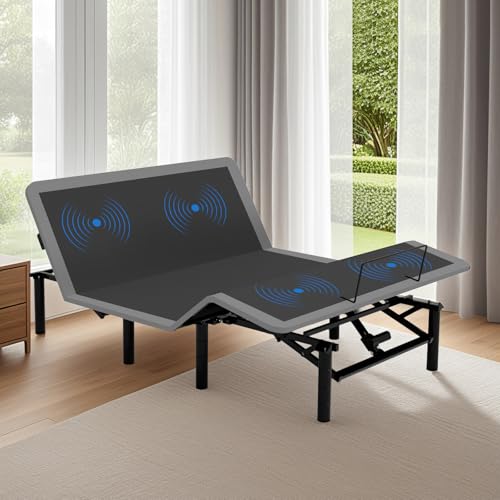
- 🛌 Five-Zone Massage Therapy: Unwind with five customizable massage modes and…
- 🛌 Guided Nighttime Convenience: Navigate safely in the dark with the…
- 🛌 Dual-Port Charging Hub: Stay connected with both Type-A and Type-C USB…
Sven & Son Classic Adjustable Bed Base – Best for Luxury & Support
The Sven & Son Classic Adjustable Bed Base offers a generous 850-pound limit. It’s perfect for personalized firmness and exceptional support. This bed is the top recommended option for those who want a luxury feel with unparalleled customization for individual comfort needs.
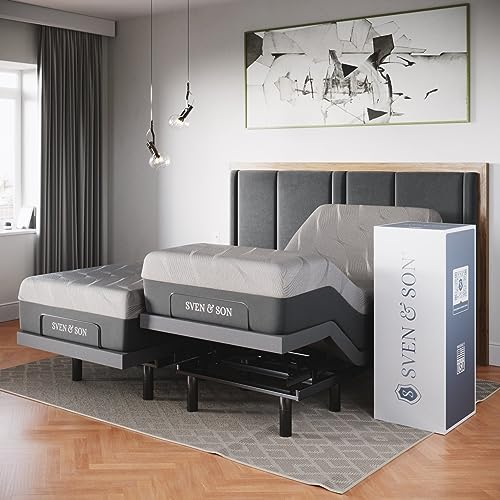
- Unmatched Comfort & Adjustability: Elevate your sleeping experience with our…
- Innovative Ergonomic Remote: Dive into a realm of relaxation with settings such…
- Luxury & Convenience in One: The under-bed lighting casts a serene glow, perfect…
Leggett & Platt Prodigy 3.0 – Best Heavy-Duty Value
Designed for durability, this model supports up to 750 pounds at a competitive price point. It includes full-wave massage and USB charging ports. It’s the ideal for budget-conscious buyers who need a reliable, feature-rich heavy-duty adjustable base without the premium price tag.
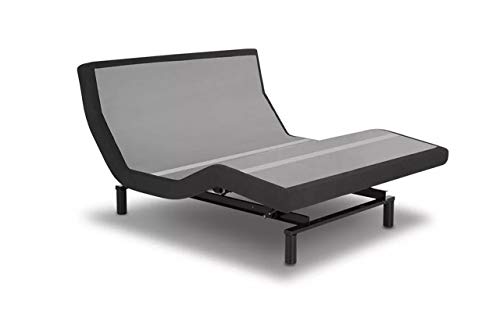
- The Prodigy Pt Adjustable bed Has Head, foot, and Independent Pillow…
- The Prodigy Pt is the only Leggett & Platt Adjustable Bed That is a…
- Wallhugger technology keeps your nightstand within reach
How Much Power Does an Adjustable Bed Actually Use?
Understanding the actual electricity usage of an adjustable bed is simpler than you might think. We break down the numbers into watts, kilowatt-hours, and real-world costs. This gives you a clear picture of what to expect on your energy bill.
Average Wattage and Daily Consumption
An adjustable bed base typically uses between 50 to 200 watts while the motors are actively moving. However, this high draw is very brief. Most of the time, the bed uses less than 1 watt in standby mode, similar to a phone charger.
- Active Use (Motors Running): 50-200 watts for 1-2 minutes per adjustment.
- Idle/Standby Mode: 0.5 to 2 watts continuously to power the remote receiver and control box.
- With Massage Features On: Can add 20-50 watts while the vibratory motors are active.
Calculating Your Monthly Energy Cost
Let’s translate wattage into a monthly dollar amount. The key metric is the kilowatt-hour (kWh), which is what your utility company charges you for.
Here is a realistic cost calculation based on average use:
| Activity | Power (Watts) | Daily Use Time | Monthly kWh | Cost* |
|---|---|---|---|---|
| Making Adjustments | 100 | 5 minutes | 0.25 kWh | $0.04 |
| Standby Power | 1 | 24 hours | 0.72 kWh | $0.11 |
| Total Estimated Monthly Cost | ~$0.15 | |||
*Cost based on U.S. national average of $0.16 per kWh. Your actual cost will vary with local rates.
Key Takeaway: The monthly electricity cost for a typical adjustable bed is very low, often less than twenty cents. The standby power consumption is minimal, and the high-wattage motor use is too brief to significantly impact your bill.
Key Factors That Influence Adjustable Bed Electricity Usage
Not all adjustable beds consume power the same way. Several design and usage factors directly impact how much energy your bed base draws from the outlet. Understanding these helps you choose an efficient model and manage your usage.
Motor Type and Power System Design
The heart of your bed’s power consumption is its motor system. The technology used here creates a major difference in efficiency and performance.
- DC vs. AC Motors: Modern DC (Direct Current) motors are far more energy-efficient. They use significantly less power than older AC motor systems, especially during the initial startup surge.
- Voltage Rating: Many efficient beds use a 24-volt DC system. Lower voltage often correlates with better energy management and safer, cooler operation.
- Number of Motors: Dual-motor bases (for independent head and foot adjustment) use slightly more power than single-motor units. However, the difference during active use is minimal.
Features That Increase Power Draw
Added comfort features come with a small energy trade-off. Knowing which ones affect consumption allows for smarter use.
Here’s how common features impact wattage:
| Feature | Effect on Power Use | Energy-Saving Tip |
|---|---|---|
| Massage/Vibration | High increase while active (adds 20-50W) | Use timer function; avoid leaving on overnight. |
| USB Charging Ports | Small continuous draw (2-5W per port when in use) | Unplug devices once charged. |
| Wireless Remote & Electronics | Very low standby power (under 1W) | This minimal draw is necessary for operation. |
| Advanced Lighting | Low to moderate increase if LED-based | LED under-bed lights use less than 5W. |
Key Takeaway: The motor type (DC is best) and use of high-draw features like massage have the biggest impact. For maximum efficiency, look for a bed with DC motors and be mindful of using add-ons like vibration for extended periods.
Proven Tips to Reduce Adjustable Bed Power Consumption
You can easily minimize your adjustable bed’s energy use with smart habits and settings. These actionable steps help lower your electricity bill without sacrificing comfort. Implementing even a few can lead to greater efficiency.
Optimize Your Usage Habits and Settings
How you use your bed’s features has a direct impact on its energy draw. Small changes in routine can lead to measurable savings over time.
- Use Preset Positions: Program and use memory presets. This reduces the time motors run as they move directly to your favorite position instead of trial-and-error adjustments.
- Limit Massage Timer: Always use the automatic shut-off timer for vibration features. Avoid falling asleep with the massage on, as this can draw extra power for hours.
- Unplug USB Devices: Disconnect phones and tablets from bed-mounted USB ports once they are fully charged. A connected device can create a small but constant “vampire” power drain.
Choose an Energy-Efficient Model from the Start
The most significant power savings come from your initial purchase decision. Look for these specifications when shopping for a new adjustable base.
Follow this checklist for an efficient purchase:
- Prioritize DC Motors: Always choose a model with high-efficiency DC motors over older AC motor systems.
- Check for Certifications: Look for an ENERGY STAR® rating or other efficiency certifications, though these are less common for beds.
- Review Standby Power: Research or ask about the standby power consumption. Modern models should use less than 1 watt.
- Assess Feature Necessity: Consider if you truly need high-draw extras like intense massage or built-in speakers, which increase base consumption.
Key Takeaway: The most effective strategies are using preset positions, managing massage timers, and selecting a bed with efficient DC motors. Your daily habits combined with a smart initial purchase ensure minimal energy impact.
Adjustable Bed Power Consumption vs. Common Household Appliances
Context is key to understanding energy use. Comparing your adjustable bed’s draw to everyday appliances provides a realistic perspective. This comparison clearly shows that an adjustable bed is not a major energy consumer in your home.
Side-by-Side Energy Use Comparison
We measure energy use in kilowatt-hours (kWh). The table below compares the estimated monthly energy consumption of an adjustable bed with other common devices.
| Appliance/Device | Estimated Monthly Use | Estimated Monthly Cost* | Relative to Adjustable Bed |
|---|---|---|---|
| Adjustable Bed Base | ~1 kWh | ~$0.16 | 1x (Baseline) |
| LED Light Bulb (10W) | 7.2 kWh | ~$1.15 | 7x More |
| Laptop Computer | 9 kWh | ~$1.44 | 9x More |
| Refrigerator (Modern) | 50 kWh | ~$8.00 | 50x More |
| Central Air Conditioner | 300-500 kWh | ~$48-$80 | 300-500x More |
*Cost based on U.S. national average of $0.16 per kWh.
What This Means for Your Total Energy Bill
This data reveals a crucial insight. The operating cost of an adjustable bed is negligible within your total household energy footprint.
- Minimal Impact: Your bed’s energy use is vastly overshadowed by major appliances like your fridge, HVAC, or water heater.
- Efficiency Context: While choosing an efficient bed model is good practice, it won’t make or break your utility budget. Focus first on larger appliances for meaningful savings.
- Cost Perspective: The monthly cost to run an adjustable bed is often less than a single load of laundry or running a ceiling fan for a day.
Key Takeaway: An adjustable bed’s power consumption is extremely low compared to almost any other household appliance. You would need to run dozens of adjustable beds to match the energy use of one refrigerator, putting the true cost into clear perspective.
How to Measure Your Own Adjustable Bed’s Power Draw
Want to know your specific bed’s exact energy consumption? You can measure it yourself with an inexpensive tool. This hands-on approach gives you personalized data and peace of mind about your actual operating costs.
Using a Kill-A-Watt Meter for Accurate Measurement
A Kill-A-Watt meter is a plug-in device that measures the electricity usage of any appliance. It’s the perfect tool for this job and is simple to use.
Follow this simple process to get your readings:
- Plug In the Meter: Insert the Kill-A-Watt meter into your wall outlet. Then, plug your adjustable bed’s power cord directly into the meter.
- Monitor Different Modes: Let the bed sit in standby for an hour to see the idle wattage. Then, use the remote to raise and lower the bed several times to capture the active motor wattage.
- Record the kWh Reading: Leave the meter connected for 24-48 hours during normal use. It will display the total kilowatt-hours (kWh) consumed, which you can multiply by your utility rate for a daily cost.
Understanding and Interpreting Your Results
The numbers you get will provide a clear, real-world snapshot. Compare your findings to the averages discussed earlier in this guide.
- Standby Wattage: A reading between 0.5W and 2W is normal and efficient. A consistently higher reading (e.g., 5W+) may indicate an older or less efficient control system.
- Peak Motor Wattage: Don’t be alarmed by a brief spike of 150-300W when motors first engage. This is normal startup surge, similar to a refrigerator compressor kicking on.
- Total Daily kWh: If your 24-hour total is between 0.03 and 0.05 kWh, your bed is operating with very high efficiency. This aligns with the low-cost estimates provided.
Key Takeaway: A Kill-A-Watt meter provides definitive, personalized data on your bed’s consumption. Measuring both standby and active use confirms its efficiency and gives you an exact operating cost, eliminating any guesswork.
Long-Term Cost Analysis and Environmental Impact
Looking beyond the monthly bill reveals the full picture of ownership. A long-term financial and environmental perspective shows that adjustable beds are a sustainable choice. The minimal energy use translates to low lifetime costs and a small carbon footprint.
5-Year and 10-Year Ownership Cost Projections
Based on average consumption, the electricity cost for an adjustable bed over many years remains remarkably low. This makes it a negligible factor in the total cost of ownership.
Here is a projected cost analysis using the U.S. national average electricity rate:
| Time Period | Estimated Total kWh Used | Estimated Total Electricity Cost | Notes |
|---|---|---|---|
| 1 Year | ~12 kWh | ~$1.92 | Less than a coffee. |
| 5 Years | ~60 kWh | ~$9.60 | Less than a movie ticket. |
| 10 Years | ~120 kWh | ~$19.20 | Far less than annual mattress maintenance. |
When compared to the initial purchase price and potential health benefits, this ongoing energy expense is insignificant.
Carbon Footprint of Adjustable Bed Operation
The environmental impact of running an adjustable bed is exceptionally small. Its efficiency stands in stark contrast to major home energy users.
- Low Emissions: Using the U.S. grid average, the annual CO2 emissions from running an adjustable bed are roughly 5-8 pounds. This is less than the emissions from driving a car 10 miles.
- Comparative Impact: Your bed’s yearly carbon footprint is hundreds of times smaller than that of your refrigerator or water heater. Reducing use in those areas has a much greater environmental benefit.
- Efficiency Gains: Choosing a modern, DC-motor bed over an older AC model is a positive eco-choice. It directly reduces waste heat and power plant demand, even if the absolute savings are small per household.
Key Takeaway: The lifetime electricity cost of an adjustable bed is very low, often under $20 for a decade of use. Its environmental impact is equally minimal, making it one of the most energy-efficient and sustainable pieces of furniture in your home.
Conclusion: Mastering Adjustable Bed Power Consumption
Understanding your adjustable bed’s electricity use is straightforward and reassuring. The data shows that operating costs are minimal, often just pennies per month. This makes an adjustable bed one of the most energy-efficient comforts in your home.
The key takeaway is simple: focus on choosing an efficient DC-motor model and use features like massage wisely. Your daily habits have a bigger impact than any design specification.
We encourage you to use a Kill-A-Watt meter to measure your own bed’s draw. This provides definitive, personalized data and eliminates all guesswork about your specific energy costs.
You can now enjoy the exceptional comfort of an adjustable bed with complete confidence in its low operating cost and environmental footprint.
Frequently Asked Questions about Adjustable Bed Power Consumption
What is the average wattage of an adjustable bed?
The average adjustable bed uses 50-200 watts briefly while the motors are moving. However, this high draw lasts only 1-2 minutes per adjustment. For over 99% of the day, it sits in standby mode, consuming less than 1 watt to listen for remote commands.
This standby power is similar to a phone charger left in the outlet. The brief, high-wattage motor use has a negligible impact on your total daily energy consumption.
How much does it cost to run an adjustable bed per month?
For typical use, the monthly electricity cost is between $0.15 and $0.30. This calculation assumes a few adjustments daily and continuous low-power standby. It is based on the U.S. national average electricity rate.
This minimal cost is often less than running a single 60-watt incandescent light bulb for a few hours each day. Your actual cost depends on your local utility rates and how frequently you use features like massage.
Do adjustable beds use more electricity than regular beds?
Yes, but the difference is extremely small. A traditional, non-motorized bed uses zero electricity. An adjustable bed adds a minimal standby load and brief motor use.
When compared to the energy use of other household appliances, this difference is insignificant. The added comfort and health benefits far outweigh the tiny operational cost.
What is the best way to reduce my adjustable bed’s energy use?
The most effective method is to use programmable memory presets. This minimizes motor run time by moving directly to your preferred position. Also, always use the timer function for massage features instead of leaving them on indefinitely.
For long-term savings, choose a model with high-efficiency DC motors when purchasing. These motors use less power, especially during the initial startup surge, compared to older AC motor systems.
Should I unplug my adjustable bed when not in use?
Unplugging is not necessary for energy savings, as the standby power is so low. However, it is a highly recommended practice for safety and protection. Unplugging the bed during electrical storms or long vacations can prevent damage from power surges.
For daily use, plugging the bed into a dedicated surge protector is a more convenient and equally effective solution to guard against voltage spikes.
How does the massage feature affect power consumption?
The massage or vibration feature significantly increases power draw while active, adding 20 to 50 watts. This is why using it continuously can have a more noticeable effect on energy use than simple position adjustments.
To manage this, always use the automatic shut-off timer. Limiting massage sessions to 15-30 minutes, rather than hours, keeps this feature enjoyable and energy-conscious.
Can I use a generator or battery backup with an adjustable bed?
Yes, most modern adjustable beds with DC motors can run on a standard home generator or UPS (uninterruptible power supply). Their power requirements are low enough for most backup systems to handle, especially since they don’t need to run constantly.
This can be crucial for medical users who rely on their bed’s positioning. Always check your specific model’s wattage and ensure your backup power source can supply sufficient and stable power.
Are dual-motor beds less energy efficient than single-motor beds?
Dual-motor beds are slightly less efficient only when both motors run simultaneously, as they draw more total power. In practice, this difference is minimal because motor run time is so brief.
The independent adjustability for two people often outweighs the trivial energy trade-off. The efficiency of the motor type (DC vs. AC) is a far more important factor than the number of motors.
Do Adjustable Beds Use Electricity When Turned Off?
This is a crucial distinction. An adjustable bed is never fully “off” like a lamp unless you unplug it from the wall.
- Standby Mode: When not moving, the bed enters a low-power standby mode. This minimal draw (typically under 1 watt) powers the remote control receiver and control board, waiting for your next command.
- Remote Functionality: This tiny amount of electricity is necessary for the wireless remote or app to function instantly. It’s similar to your television being in standby.
- Complete Power Down: The only way to achieve zero consumption is to unplug the bed’s power cord from the electrical outlet.
Can a Power Outage or Surge Damage My Adjustable Bed?
Modern electronics are sensitive, and adjustable beds are no exception. Proper protection is a wise investment.
Follow these steps to protect your investment:
- Use a Surge Protector: Always plug your adjustable bed base into a high-quality surge protector. This is the single most important action to prevent damage from voltage spikes.
- Check Motor Reset: After a total outage, the bed may require a simple reset. Unplug it for 60 seconds, then plug it back in to reboot the control system.
- Consult the Manual: If the bed doesn’t operate after an outage, consult the troubleshooting guide. There may be a specific reset button or sequence.