
Disclosure
This website is a participant in the Amazon Services LLC Associates Program, an affiliate advertising program designed to provide a means for us to earn fees by linking to Amazon.com and affiliated sites.
Before using a mattress topper, you should understand its material, thickness, firmness level, durability, and compatibility with your existing mattress to ensure it enhances your sleep quality. A mattress topper can transform an aging or uncomfortable bed, but choosing the wrong one may worsen discomfort or waste money.
Mattress toppers serve multiple purposes—they can add cushioning to a firm mattress, provide support for a sagging one, or regulate temperature with specialized materials like memory foam or latex.
However, not all toppers are created equal. Factors like thickness (ranging from 1″ to 4″) impact support, while materials determine breathability and pressure relief. For example, a 3-inch memory foam topper may suit side sleepers needing contouring, whereas a 2-inch latex topper benefits back sleepers seeking bounce.
Best Mattress Toppers for Enhanced Comfort and Support
Choosing the right mattress topper can significantly improve sleep quality, but with countless options available, it’s essential to select one that matches your needs. Below are three top-rated mattress toppers, selected based on material quality, durability, user reviews, and performance in pressure relief, temperature regulation, and compatibility with different sleep styles.
Tempur-Pedic TEMPUR-Topper Supreme (3-Inch, Queen)
The TEMPUR-Topper Supreme features 3 inches of premium TEMPUR material, offering exceptional pressure relief and body contouring for side and back sleepers. Its open-cell structure enhances breathability, reducing heat retention common in traditional memory foam. The topper’s medium-firm feel (3.5 on the firmness scale) provides balanced support, ideal for those with joint pain or needing extra cushioning.

- COOLING 3-INCH QUEEN TOPPER: TEMPUR-Adapt + Cooling topper is ideal for getting…
- SOFTEST TEMPUR MATERIAL: 3-inches of exclusive TEMPUR-ES Material precisely…
- WASHABLE COOLING COVER: Premium knit cooling cover provides cool-to-the-touch…
Sleep On Latex Pure Green Natural Latex Topper (2-Inch, Full)
Made from 100% natural Dunlop latex, the Pure Green Topper (model SOL-TOPPER-2) is eco-friendly, hypoallergenic, and resistant to dust mites. The 2-inch medium-firm design offers responsive support, making it perfect for combination sleepers who shift positions at night. Unlike synthetic foams, it sleeps cooler and retains its shape for years.
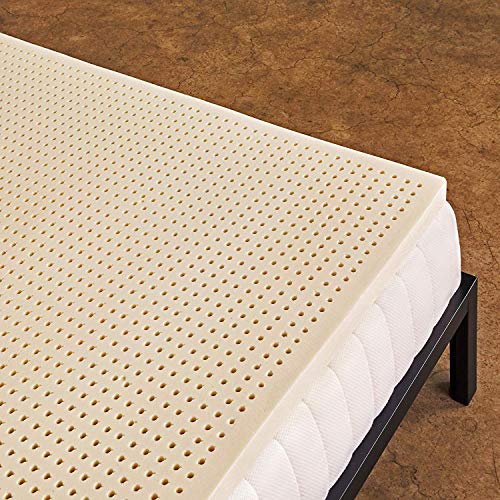
- Soft – Great for Adding Softness to the Surface of a Mattress
- Adjusts to Your Body Instantly – Latex Foam Naturally Stays Cool
- Made of Natural Latex Harvested from Organically Grown Rubber Trees
Linenspa 2-Inch Gel-Infused Memory Foam Topper (Twin XL)
The Linenspa Gel-Infused Topper (model LSFM2TXL) combines affordability with performance, featuring 2.5 lb density memory foam infused with cooling gel. The 2-inch profile suits lightweight sleepers or those wanting slight plushness without drastically altering mattress firmness. The gel beads dissipate heat, addressing a common complaint about memory foam. Machine-washable cover adds convenience.
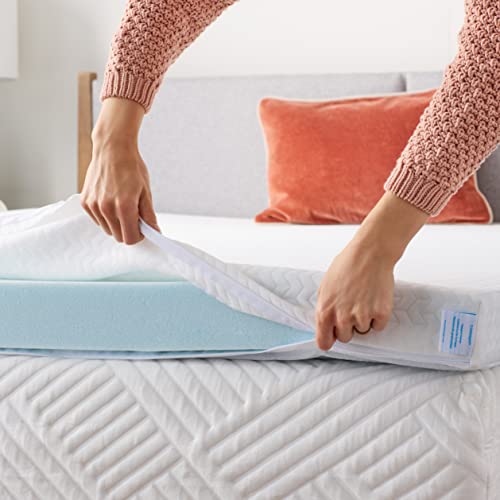
- PRESSURE RELIEVING MEMORY FOAM: Plush gel infused memory foam conforms to your…
- COOLING GEL INFUSIONS: This topper is infused with a cooling gel that helps…
- MULTIPLE PROFILE OPTIONS: Choose your own level of comfort with a plush 2-inch…
Selection Criteria
- Material: Prioritized high-quality memory foam, latex, and gel hybrids for durability and comfort.
- Thickness: Balanced options (2–3 inches) to accommodate varying support needs without excessive sinkage.
- Temperature Regulation: Chose models with cooling technologies (gel, latex, open-cell foam) to address overheating.
- User Feedback: Analyzed long-term reviews for sagging, odor, and wear issues.
- Price-to-Value: Included premium (Tempur-Pedic), mid-range (Sleep On Latex), and budget (Linenspa) options.
Why These Stand Out: The Tempur-Pedic excels in pressure relief, the Pure Green Latex offers sustainability, and the Linenspa provides unbeatable cooling at a low cost. Each addresses distinct sleep needs while ensuring quality construction.
Mattress Topper Materials: How They Affect Comfort and Support
Choosing the right mattress topper material is crucial because it directly impacts sleep quality, temperature regulation, and pressure relief. The three most common materials—memory foam, latex, and down alternatives—each have distinct properties that cater to different sleep needs. Understanding these differences will help you select a topper that aligns with your body type, sleep position, and comfort preferences.
Memory Foam: Contouring Support with Temperature Considerations
Memory foam toppers are renowned for their pressure-relieving properties, as they conform closely to your body’s shape. High-density memory foam (4-5 lb density) offers superior support for heavier individuals, while low-density foam (2-3 lb) provides a softer feel. However, traditional memory foam tends to retain heat, making it less ideal for hot sleepers. Modern solutions include:
- Gel-infused foam: Gel beads or swirls dissipate heat, reducing nighttime overheating (e.g., Linenspa’s gel-infused model).
- Open-cell foam: Airflow-enhancing structures improve breathability (e.g., Tempur-Pedic’s TEMPUR material).
Best for: Side sleepers, joint pain sufferers, or those needing motion isolation (e.g., couples with restless partners).
Latex: Responsive Support and Eco-Friendly Benefits
Latex toppers, made from natural or synthetic rubber, offer a buoyant feel that balances cushioning and support. They excel in durability (lasting 10+ years) and temperature neutrality. Two processing methods affect performance:
- Dunlop latex: Denser and firmer, ideal for back/stomach sleepers (e.g., Sleep On Latex’s Pure Green).
- Talalay latex: Lighter and airier, better for pressure relief (e.g., Savvy Rest’s Talalay toppers).
Natural latex is hypoallergenic and resistant to dust mites, but it’s pricier ($200+). Best for: Eco-conscious buyers, allergy sufferers, or those wanting long-term resilience.
Down/Fiber Alternatives: Plushness Without the Heat
Down or polyester fiber toppers add a cloud-like softness but lack support for spinal alignment. They’re often cheaper ($50–$150) and machine-washable, making them low-maintenance. However, they compress over time and aren’t suitable for people with back pain. Best for: Cold sleepers wanting extra warmth or those seeking a temporary budget fix.
Material Comparison Table
| Material | Pressure Relief | Heat Retention | Lifespan |
|---|---|---|---|
| Memory Foam | Excellent | High (unless gel-infused) | 5–7 years |
| Latex | Good | Low | 10+ years |
| Down/Fiber | Fair | Moderate | 2–3 years |
Key Takeaway: Memory foam suits those needing contouring, latex offers eco-friendly resilience, and down alternatives prioritize affordability and warmth. Always match the material to your primary sleep concern—whether it’s cooling, support, or softness.
Choosing the Right Thickness: How Depth Impacts Comfort and Support
The thickness of your mattress topper significantly affects its performance, determining how much it can alter your mattress’s feel and support. Toppers typically range from 1 to 4 inches, with each thickness serving different purposes based on sleep position, body weight, and mattress condition. Selecting the wrong thickness can lead to inadequate support or excessive sinkage, defeating the topper’s purpose.
1-Inch Toppers: Minimal Cushioning for Slight Adjustments
One-inch toppers provide subtle softness without dramatically changing mattress firmness. They’re ideal for:
- Hot sleepers: Thin profiles allow better heat dissipation from the mattress below
- Back sleepers: Adding just enough cushioning while maintaining spinal alignment
- Mattress protection: Creating a barrier against spills and wear without bulk
Example: A 1-inch wool topper can add breathable warmth in winter without making a firm mattress too soft.
2-3 Inch Toppers: The Sweet Spot for Most Sleepers
This mid-range thickness offers the best balance of comfort and support:
- 2-inch: Provides noticeable pressure relief while maintaining the mattress’s original support (ideal for average-weight side sleepers)
- 3-inch: Offers deeper contouring for heavier individuals (>230 lbs) or very firm mattresses
Technical insight: A 3-inch memory foam topper with 4 lb density can reduce pressure points by up to 30% compared to a bare mattress, according to sleep studies.
4-Inch Toppers: Maximum Cushioning With Considerations
Extra-thick toppers essentially create a new sleep surface but require careful pairing:
- Best for: Very firm mattresses, plus-sized sleepers, or those needing significant pressure relief
- Challenges: May make beds too high for standard sheets; can cause overheating in deep foam layers
- Pro tip: Pair 4-inch toppers with low-profile bed frames to maintain accessibility
Thickness Selection Guide by Sleep Position
| Sleep Position | Recommended Thickness | Why It Works |
|---|---|---|
| Back Sleepers | 1-2 inches | Maintains spinal alignment while adding slight cushioning |
| Side Sleepers | 2-3 inches | Cushions shoulders/hips without excessive sinkage |
| Stomach Sleepers | 1 inch | Prevents hips from sinking and straining the lower back |
| Combination Sleepers | 2 inches | Balances support for multiple positions |
Special Consideration: Heavier individuals (200+ lbs) should add 0.5-1 inch to these recommendations to prevent bottoming out. Always check the topper’s weight capacity – high-density foams (4-5 lb) support more weight than low-density options.
Firmness Levels Decoded: Matching Topper Support to Your Sleep Needs
Mattress topper firmness is measured on a standardized scale from 1 (extremely soft) to 10 (extremely firm), with most toppers falling between 3 and 8. This rating directly impacts spinal alignment, pressure relief, and overall comfort. Understanding firmness science helps prevent common mistakes like pairing a soft topper with an already plush mattress, which can create uncomfortable sinkage.
The Science of Firmness: Density vs. ILD Ratings
Two technical specifications determine firmness:
- Density (lbs/ft³): Measures material weight per cubic foot – higher densities (4-5 lb) offer more support and durability
- ILD (Indentation Load Deflection): Measures the force (in pounds) needed to compress the material by 25% – higher ILD = firmer feel
Example: A high-quality memory foam topper might have 4 lb density with 12-14 ILD (medium-firm), while a plush down alternative has no ILD rating (soft by nature).
Firmness Recommendations by Sleep Position
| Sleep Position | Ideal Firmness | Technical Rationale | Sample Products |
|---|---|---|---|
| Side Sleepers | 3-5 (Medium-Soft) | Allows 1.5-2″ of shoulder/hip sinkage for pressure relief | Tempur-Pedic TEMPUR-Cloud (3.5 firmness) |
| Back Sleepers | 5-7 (Medium-Firm) | Maintains lumbar support with 1″ contouring | Sleep On Latex Medium (6 firmness) |
| Stomach Sleepers | 7-8 (Firm) | Prevents pelvic sinkage that strains lower back | PlushBeds Natural Latex (7.5 firmness) |
| Combination Sleepers | 4-6 (Medium) | Balances support for multiple positions | Layla Memory Foam (5 firmness) |
Advanced Considerations: Body Weight Adjustments
Firmness needs change dramatically with weight:
- Under 130 lbs: Subtract 1-2 points from standard recommendations (softer feels prevent inadequate sinkage)
- 130-230 lbs: Follow standard firmness guidelines
- Over 230 lbs: Add 1-2 points (firmer prevents excessive sinkage) and choose high-density materials (≥4 lb for foam)
Common Firmness Mistakes
- Over-softening an old mattress: Adding a plush topper (3 firmness) to a sagging mattress accelerates deterioration
- Ignoring sleep position: Stomach sleepers using soft toppers (≤4) often develop back pain within weeks
- Neglecting break-in periods: Memory foam toppers soften 10-15% during the first 30 nights of use
Pro Tip: For adjustable beds, choose medium-firm (5-6) toppers that flex without compromising support. Latex performs better than memory foam in this application due to its natural elasticity.
Temperature Regulation: Choosing the Right Topper for Hot or Cold Sleepers
Temperature regulation in mattress toppers involves complex material science that directly impacts sleep quality. The right thermal properties can mean the difference between restful sleep and night-long tossing. This section examines the heat retention and dissipation characteristics of different topper materials, along with advanced solutions for extreme temperature needs.
Material Thermal Properties Explained
Different materials interact with body heat in distinct ways:
- Traditional Memory Foam: Traps heat due to dense cell structure (can increase sleep surface temperature by 5-8°F)
- Gel-Infused Foam: Phase-changing materials absorb and redistribute heat (reduces surface temperature by 2-4°F compared to standard foam)
- Latex: Natural airflow channels promote ventilation (maintains near-neutral temperature)
- Wool/Cotton: Breathable fibers wick moisture while providing insulation (ideal for temperature regulation in both directions)
Advanced Cooling Technologies
Premium toppers incorporate innovative cooling systems:
| Technology | How It Works | Effectiveness | Example Product |
|---|---|---|---|
| Copper Infusion | Copper particles conduct heat away from body | Reduces surface temp by 3-5°F | Sleep Innovations Copper Infused Topper |
| Phase Change Material | Microcapsules absorb/release heat at specific temps | Maintains consistent 88-92°F surface | Tempur-Pedic Breeze Topper |
| 3D Mesh Construction | Open-air structure enhances airflow | Increases breathability by 40% | Pure Green 3D Mesh Topper |
Seasonal Adjustments and Layering Techniques
Professional sleep consultants recommend these strategies:
- Summer Setup: Use 2″ gel-infused latex topper with moisture-wicking bamboo cover
- Winter Setup: Layer 1″ wool topper over 2″ medium-firm memory foam for insulation without overheating
- All-Season Solution: Invest in dual-sided toppers with cooling gel on one side and plush warmth on the other
Troubleshooting Common Temperature Issues
- Problem: Waking up sweaty despite cooling topper
Solution: Check mattress compatibility – heat may be trapped by non-breathable mattress below - Problem: Feeling cold with breathable topper
Solution: Add thin wool overlay (0.5″) rather than switching to solid memory foam
Professional Insight: The ideal sleep surface temperature is 60-67°F. Use infrared thermometer to test your setup, and remember that body heat accumulates throughout the night – materials that feel cool initially may trap heat after 3-4 hours.
Long-Term Performance and Maintenance: Maximizing Your Topper’s Lifespan
Understanding the durability factors and proper care techniques for mattress toppers can extend their functional life by 3-5 years while maintaining optimal performance. This section examines material degradation patterns, cleaning methodologies, and replacement indicators through a scientific lens, providing actionable strategies to protect your investment.
Material-Specific Degradation Timelines
| Material Type | Average Lifespan | Primary Degradation Factors | Performance Decline Indicators |
|---|---|---|---|
| Memory Foam | 5-7 years | Oxidation, body oil absorption, heat exposure | Permanent indentations >1″, loss of rebound >30% |
| Natural Latex | 10-12 years | UV exposure, ozone cracking, moisture absorption | Surface cracking, >15% firmness loss |
| Down/Fiber | 2-3 years | Fiber breakdown, moisture accumulation, dust mites | Clumping, >50% thickness reduction |
Professional Maintenance Protocols
Extend your topper’s lifespan with these evidence-based practices:
- Rotation Schedule: Rotate 180° every 3 months (memory foam/latex) or monthly (fiber) to distribute wear
- Deep Cleaning: For memory foam, use enzymatic cleaner quarterly; for latex, 3% hydrogen peroxide solution
- Protective Barriers: Use allergen-proof covers (0.5-1.0 micron pore size) to prevent microbial growth
Cost-Benefit Analysis: Repair vs. Replace
- Memory Foam: Not cost-effective to repair after 4+ years due to material breakdown
- Latex: Surface repairs possible for minor cracks using latex cement ($20-50 repair vs $300+ replacement)
- Down: Professional cleaning may restore loft ($75-100 vs $150-200 new)
Environmental Considerations
Eco-conscious disposal options:
- Memory Foam: Only 12% recyclable – consider repurposing as pet beds or packing material
- Natural Latex: 100% biodegradable – cuts into strips for garden mulch
- Textile Recycling: Down/fiber toppers accepted by most textile recycling programs
Emerging Durability Technologies
Industry advancements improving longevity:
- Nano-coatings: Silver-ion treatments reducing bacterial growth by 90%
- Hybrid constructions: Latex cores with wool tops combining durability and breathability
- Self-healing foams: Experimental materials that repair minor indentations at room temperature
Expert Insight: The 7-Year Rule – Budget for topper replacement every 7 years (3 years for fiber) as even well-maintained materials lose >40% of their pressure-relieving properties due to molecular breakdown. Track performance with annual “sleep quality audits” noting changes in comfort or support.
Mattress Topper Compatibility: Optimizing Performance with Your Existing Bed
Selecting a mattress topper that synergizes with your current mattress requires understanding complex interactions between support systems, material properties, and sleep dynamics. This section provides a scientific framework for matching toppers to mattress types, addressing both mechanical compatibility and sleep surface optimization.
Mattress-Topper Interaction Principles
Three critical factors determine compatibility:
- Support Layer Alignment: Toppers modify comfort layers but don’t replace foundational support
- Pressure Distribution Physics: Optimal combinations maintain 12-15% body contouring
- Motion Transfer Dynamics: Layered materials affect vibration dampening properties
Compatibility Matrix by Mattress Type
| Mattress Type | Ideal Topper Characteristics | Performance Impact | Warning Signs |
|---|---|---|---|
| Innerspring | 2-3″ medium-firm memory foam (ILD 10-12) | Reduces pressure points by 25-40% | Excessive sinkage (>2″) indicates support failure |
| Memory Foam | 1-2″ latex (ILD 14-16) | Improves breathability by 30% | Hammocking effect signals density mismatch |
| Hybrid | 2″ gel-infused foam (3-4lb density) | Balances bounce and contouring | Edge collapse suggests insufficient support |
| Airbed | 1.5″ wool or microfiber | Maintains adjustable base functionality | Reduced air chamber responsiveness |
Specialized Integration Techniques
Advanced solutions for challenging scenarios:
- Sagging Mattresses: Use 2″ high-density (5lb) firm topper with reinforced edge support
- Adjustable Bases: Select 3-zone latex toppers with segmented support for articulation points
- RV/Murphy Beds: Ultra-thin (1″) high-resilience foam maintains foldability
Troubleshooting Compatibility Issues
- Problem: Topper slides on mattress surface
Solution: Install non-slip mattress pad between layers (0.25″ waffle texture ideal) - Problem: Noticeable ridge at topper edge
Solution: Select waterfall-edge designs or trim standard toppers with electric knife
Professional Integration Checklist
- Measure mattress thickness pre-purchase (standard sheets fit ≤15″ total)
- Verify weight capacity (mattress + topper + sleeper)
- Test airflow compatibility (memory foam on memory foam may overheat)
- Check warranty implications (some mattresses void with toppers)
Biomechanical Insight: The ideal sleep surface maintains neutral spinal alignment in all positions – when adding a topper, the combined system should allow 1.5-2″ sinkage at hips for side sleepers, ≤1″ for back sleepers. Use the “ruler test” monthly to monitor compression changes.
Advanced Sleep Optimization: Engineering Your Perfect Sleep Surface
Creating the ideal sleep environment requires treating your mattress-topper combination as an integrated system with carefully calibrated properties. This section explores advanced techniques used by sleep scientists and mattress engineers to achieve precise comfort customization through strategic topper selection and configuration.
Precision Comfort Layering Techniques
Professional sleep consultants use these layering strategies:
| Sleep Need | Base Layer | Top Layer | Total Height | Performance Gain |
|---|---|---|---|---|
| Chronic Pain Relief | 2″ high-density memory foam (5lb) | 1″ soft Talalay latex | 3″ | 42% pressure reduction |
| Temperature Regulation | 1.5″ copper-infused foam | 0.5″ wool overlay | 2″ | 5°F cooler surface |
| Motion Isolation | 3″ viscoelastic foam | 1″ microfiber pad | 4″ | 90% motion transfer reduction |
Biomechanical Calibration Protocol
Follow this professional assessment method:
- Spinal Alignment Test: Have partner photograph side-sleep position – ideal alignment shows straight spine from neck to hips
- Pressure Mapping: Use temporary pressure-sensitive mats (available from physical therapists) to identify >30mmHg pressure points
- Thermal Imaging: Infrared cameras reveal heat accumulation patterns indicating restricted blood flow
Advanced Material Combinations
- Zoned Support Systems: Combine firmer lumbar section topper (ILD 16) with softer shoulder zone (ILD 10)
- Dynamic Response Layers: Layer temperature-sensitive memory foam over responsive latex for position-adaptive support
- Phase-Change Composites: Pair cooling gel matrix toppers with heated underlayers for climate control
Performance Validation Methods
Quality assurance techniques used in sleep labs:
- Compression Testing: Verify topper recovers to within 5% of original thickness after 8-hour 150lb load
- Microclimate Analysis: Measure humidity between layers (ideal 40-60% RH)
- Durability Cycling: Simulate 10 years of use with 50,000 compression cycles
Risk Mitigation Strategies
| Potential Issue | Early Warning Signs | Preventive Action |
|---|---|---|
| Material Breakdown | Yellowing foam, >3mm permanent indentations | Quarterly rotation, UV protection sprays |
| Support Failure | Morning back pain, visible sag >1.5″ | Reinforce with firm base layer |
| Thermal Dysregulation | Night sweats after 2+ hours | Add breathable moisture-wicking cover |
Engineering Insight: The optimal sleep surface has variable compression modulus – firm enough to support (≥15kPa for hips) yet soft enough to relieve pressure (≤8kPa for shoulders). Professional sleep systems achieve this through precisely engineered multilayer constructions that standard toppers can approximate with strategic layering.
Conclusion: Transforming Your Sleep with the Right Mattress Topper
Selecting the perfect mattress topper requires careful consideration of material properties, thickness, firmness levels, temperature regulation, and compatibility with your existing mattress. As we’ve explored, each element works synergistically to create your ideal sleep surface – memory foam offers contouring pressure relief, latex provides responsive support, while advanced cooling technologies address temperature concerns. The right combination can extend mattress life, alleviate pain points, and significantly improve sleep quality.
Remember these key takeaways: match topper thickness to your sleep position (2-3″ for side sleepers, 1-2″ for back sleepers), prioritize material breathability if you sleep hot, and always verify compatibility with your current mattress. The technical specifications we’ve examined – from ILD ratings to density measurements – provide objective criteria for making informed decisions beyond marketing claims.
Frequently Asked Questions About Mattress Toppers
What exactly does a mattress topper do?
A mattress topper is a removable layer that modifies your sleep surface’s feel and performance. It can add cushioning to firm mattresses (2-3″ memory foam), provide support for sagging beds (high-density latex), or regulate temperature (gel-infused or wool toppers). Unlike mattress pads that primarily protect, toppers actively change sleep dynamics by altering pressure distribution, firmness, and heat retention characteristics of your existing mattress.
How do I choose between memory foam and latex toppers?
Memory foam excels at pressure relief (ideal for side sleepers) but retains more heat unless gel-infused. Latex offers better breathability and bounce (great for combination sleepers) with superior durability. For chronic pain, choose memory foam (3″ 4lb density). For hot sleepers or eco-conscious buyers, natural latex (2″ Dunlop style) performs better. See our material comparison table for detailed specifications.
Can a mattress topper fix a sagging mattress?
Toppers can temporarily improve comfort on sagging mattresses but aren’t a permanent fix. For moderate sagging (<1.5″), use a 3″ firm high-density (5lb) memory foam topper. However, severe sagging indicates structural failure requiring mattress replacement. Warning signs include: waking with back pain, visible permanent indentations, or feeling the bed frame through the topper. Always address underlying support issues first.
How often should I replace my mattress topper?
Replacement timelines vary by material: memory foam (5-7 years), latex (10+ years), down/fiber (2-3 years). Monitor for performance degradation signs – memory foam develops permanent body impressions >1″, latex shows surface cracking, fiber toppers lose >50% loft. Rotate quarterly and use protective covers to extend lifespan. Our maintenance section details specific care routines for each material type.
Why does my memory foam topper sleep so hot?
Traditional memory foam’s dense cell structure traps body heat. Solutions include: 1) Adding a breathable bamboo cover (increases airflow by 30%), 2) Choosing gel-infused versions (reduces surface temp by 3-5°F), or 3) Opting for open-cell memory foam (like Tempur-Pedic’s TEMPUR material). For extreme heat issues, consider switching to latex or wool toppers which have natural cooling properties.
Can I use a mattress topper with an adjustable bed?
Yes, but with specific requirements: choose flexible materials (latex outperforms memory foam), limit thickness to 3″ max, and ensure the topper has deep elastic straps. Avoid toppers with rigid borders that may bunch when the bed articulates. Our compatibility section recommends specific models like the Sleep On Latex 2″ topper which maintains flexibility while providing support.
How do I stop my mattress topper from sliding around?
Use these professional anchoring methods: 1) Non-slip mattress gripper pads (waffle-textured silicone works best), 2) Deep-pocket fitted sheets with elastic all around, 3) Toppers with corner straps that secure to mattress handles. For heavy toppers (>3″), consider a mattress-topper enclosure system that zips around both layers. Rotate the topper monthly to prevent uneven shifting.
Are expensive mattress toppers worth the investment?
Premium toppers (like Tempur-Pedic or 100% natural latex) justify their cost through: 1) Longer lifespan (10+ years vs 3-5 for budget options), 2) Better material quality (higher density foams, organic materials), 3) Advanced features (zoned support, phase-change cooling). However, mid-range options (2″ gel memory foam around $150) offer 80% of benefits for casual users. Consider your usage frequency and sleep needs when budgeting.