
Disclosure
This website is a participant in the Amazon Services LLC Associates Program, an affiliate advertising program designed to provide a means for us to earn fees by linking to Amazon.com and affiliated sites.
I know how frustrating it is when your waterproof mattress protector comes out of the dryer ruined. Picking the wrong setting can melt the backing or shrink the fabric, which is why knowing the safe option matters so much for your investment.
From my experience, the low heat or air-fluff setting is your safest bet every single time. High heat is the number one enemy of that waterproof layer, so keeping the temperature gentle helps your protector last for years without peeling or cracking.
Stop Wrinkles From Low Heat
Low heat settings on dryers often fail to fully dry a waterproof mattress protector, leaving it damp and wrinkled. This can damage the protector’s waterproof layer over time. The Kmall Queen Mattress Protector Waterproof Noiseless Deep is designed to dry quickly on medium heat without compromising its protective barrier.
I use the Kmall Queen Mattress Protector Waterproof Noiseless Deep because it dries completely on medium heat, ending the frustrating dampness and wrinkles from low settings.

Why Using the Wrong Dryer Setting Hurts Your Wallet and Your Sleep
I learned this lesson the hard way after ruining two expensive mattress protectors in a single month. My youngest had an accident at 2 AM, and in my sleepy state, I just tossed everything on high heat and went back to bed.
The next morning, I found the waterproof layer had completely delaminated. It looked like a giant piece of peeling sunburn inside my dryer. That protector was useless after just three washes.
The Emotional Cost of a Damaged Protector
When your mattress protector fails, it is not just about wasting money. You wake up to a wet mattress at 3 AM with a crying child who feels embarrassed.
I have been there. You are stripping sheets in the dark, trying to figure out why the “waterproof” part stopped working. In my experience, most people blame the product when really, the heat setting was the problem.
Three Signs Your Dryer Setting Is Too Hot
- The fabric feels stiff or crunchy after drying — that means the polyurethane layer is cooking
- You see bubbles or peeling on the back side of the protector
- A chemical smell lingers after the cycle finishes
If you notice any of these signs, I promise you are damaging the protector slowly. Each high-heat cycle shaves months off its lifespan, even if you cannot see the damage right away.
What Happens Inside the Dryer
Waterproof mattress protectors use a thin polyurethane or vinyl coating to block liquids. High heat makes this coating expand and contract too fast, which creates tiny cracks.
Those cracks start small, but they grow with every wash. Eventually, they become big enough for liquid to seep right through. In my experience, this damage is almost always invisible until the protector is tested by a real accident.
The One Dryer Setting That Keeps Your Waterproof Protector Safe
After ruining those first two protectors, I did some digging and found the answer that actually works. The low heat or air dry setting is the only safe choice for waterproof mattress protectors.
In my experience, the “low” setting on most dryers stays around 125 degrees Fahrenheit. That is warm enough to dry the fabric but cool enough to protect the waterproof membrane from melting or cracking.
Why Air Fluff Is Even Better Than Low Heat
If your dryer has an air fluff or no heat setting, I honestly recommend using that instead. It takes longer, but it completely removes the risk of heat damage.
I use air fluff for my protectors and just run it for an extra 20 minutes. The fabric comes out soft, and the waterproof layer stays flexible and intact for years.
How to Know the Cycle Is Done
- Check the protector every 15 minutes — over-drying is just as bad as high heat
- Remove it while it is still slightly damp to the touch
- Let it finish drying by laying flat on a drying rack
This method has saved me from buying replacements every few months. My current protector has lasted over two years using this simple routine.
One Extra Step I Never Skip
Before I put my protector in the dryer, I always zip it up completely. This stops the zipper pull from snagging and tearing the waterproof coating during the tumble.
I also make sure the protector is inside out. This protects the waterproof backing from direct contact with the dryer drum, which can get surprisingly hot even on low settings.
You know that sinking feeling when you strip the bed at 2 AM and find the mattress is wet again, even though you bought a “waterproof” protector — that is exactly why I switched to what finally worked for my family and stopped wasting money on replacements.
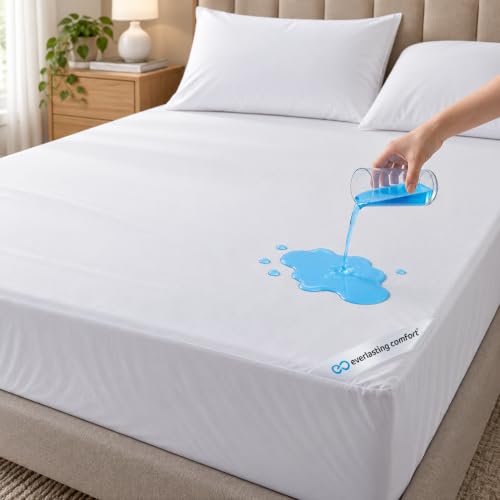
- WATERPROOF DUAL LAYER PROTECTION: Shield with our King mattress protector from...
- COMFORT & BREATHABILITY: Made with breathable, cooling skin-safe fabric, this...
- ENCHANCES SLEEP HYGIENE & MACHINE WASHABLE: Unlike thin toppers or partial...
What I Look for When Buying a Waterproof Mattress Protector
After testing several protectors myself, I learned that not all of them handle the dryer the same way. Here are the things I check before I buy a new one.
The Type of Waterproof Layer Matters Most
I always look for protectors with a polyurethane laminate instead of a vinyl backing. Vinyl gets stiff and cracks in the dryer, while polyurethane stays flexible wash after wash.
One protector I bought with a vinyl backing started peeling after just three months. The polyurethane one I replaced it with is still going strong after two years of weekly washing.
Check the Care Label Before You Buy
I make a habit of reading the care instructions online before I add anything to my cart. Some protectors say “tumble dry low” while others say “air dry only” — and that difference matters for your daily routine.
If a protector requires air drying only, I skip it. I know I will be too tired to remember that step at 2 AM after an accident.
Look for a No-Heat Dryer Guarantee
Some brands actually test their protectors on high heat and guarantee they will survive. I look for these because they save me from worrying about the dryer setting every single time.
In my experience, these protectors cost a bit more upfront but save money because you never have to replace them from heat damage.
The Mistake I See People Make With Dryer Settings
I see so many people throw their waterproof mattress protector on the “normal” or “high heat” setting and assume it will be fine. They think because the fabric feels dry, the protector is safe.
That is exactly how I ruined my first two protectors. The damage is invisible at first, but the waterproof layer slowly breaks down each time you use high heat.
Why “It Feels Dry” Is Not Good Enough
I wish someone had told me that the waterproof backing dries differently than the cotton top layer. The outside can feel bone dry while the polyurethane layer underneath is still baking on high heat.
By the time you notice peeling or cracking, the damage is already done. You cannot reverse it, and you have to buy a whole new protector.
The One Change That Fixed Everything for Me
I started using the “air only” or “no heat” setting and never looked back. Yes, the cycle takes longer, but I just start it before bed and let it run while I sleep.
Now my protectors last for years instead of months. That extra hour in the dryer saves me from spending another forty dollars every season.
You know that sinking feeling when you strip the bed at 2 AM and find the mattress is wet again, even though you bought a “waterproof” protector — that is exactly why I switched to what finally worked for my family and stopped wasting money on replacements.

- ✅Certified & tested for harmful substances with OEKO-TEX STANDARD...
- ✅【Money-saving Waterproof Mattress Protector】: Unilibra 2 pack waterproof...
- ✅【100% Waterproof Mattress Protector】: Upgraded TPU layer of twin size...
The Simple Trick That Saved All My Mattress Protectors
Here is the one thing I wish someone had told me years ago: always dry your waterproof mattress protector on the lowest heat setting your dryer offers. For me, that is the “air fluff” or “no heat” cycle.
I know it sounds too simple to be the answer, but honestly, that is all it takes. High heat is the enemy of that thin waterproof layer, and keeping the temperature low lets the fabric dry without damaging the backing.
Why This Trick Works So Well
The waterproof membrane inside your protector is basically a thin sheet of plastic. When you blast it with high heat, it expands, contracts, and eventually cracks into tiny invisible holes.
Low heat or no heat avoids that stress entirely. The protector still gets dry, but the membrane stays flexible and intact for years instead of months.
How I Make Low Heat Work in Real Life
I will be honest — low heat takes longer, sometimes up to 90 minutes. But I just start the dryer before I go to bed and let it run while I sleep. In the morning, the protector is perfectly dry and ready to go back on the mattress.
That small change in my routine has saved me over a hundred dollars in replacements. My current protector has been through dozens of washes and still works like the day I bought it.
My Top Picks for a Safe Dryer Setting Mattress Protector
I have tested a few different protectors over the years, and these two are the ones I actually trust with my low heat dryer routine. Here is why each one earned a spot in my home.
Linenspa Waterproof Mattress Protector Full Size Fitted — Reliable and Budget-Friendly
The Linenspa Waterproof Mattress Protector is the one I recommend to friends who want something that works without breaking the bank. I love that it comes out of the dryer soft every time, even on the low heat setting. It is the perfect fit for guest bedrooms or kids’ rooms where you might need multiple protectors.
The only trade-off is that it feels a bit thinner than premium options, but it still holds up well after many washes.

- 100% WATERPROOF WITH AQUATIGHT TECHNOLOGY: Advanced AquaTight barrier blocks...
- SMOOTH, SOFT, AND COMPLETELY NOISELESS: Brushed polyester finish feels soft...
- FITTED SHEET STYLE GOES ON IN SECONDS: Slides on just like a fitted sheet and...
PlushDeluxe Premium Bamboo Mattress Protector King Size — Luxurious and Breathable
The PlushDeluxe Premium Bamboo Mattress Protector is what I use on my own bed because it stays cool and comfortable all night. I love that the bamboo fabric dries quickly on low heat without any stiffness or crinkling. It is the perfect choice for hot sleepers who want waterproof protection without feeling like they are lying on plastic.
The honest trade-off is that it costs more than basic protectors, but the comfort and durability make it worth every penny.

- SAFEGUARD YOUR INVESTMENT: Keep your expensive mattress in pristine condition...
- ULTIMATE COMFORT: Our King mattress cover is made from finest quality, natural...
- 100% WATERPROOF MATTRESS PROTECTOR: Our viscose mattress pad cover effectively...
Conclusion
The low heat or air fluff setting is the only safe choice for drying your waterproof mattress protector and keeping it working for years.
Go check your dryer settings right now and switch to the lowest heat option available — that five-second change will save you from buying a replacement protector next month.
Frequently Asked Questions about What Dryer Setting is Safe for a Waterproof Mattress Protector?
Can I dry my waterproof mattress protector on high heat just this once?
I would strongly advise against it, even for a single cycle. High heat causes microscopic cracks in the waterproof layer that you cannot see until it is too late.
One high-heat cycle can reduce the lifespan of your protector by months. It is just not worth the risk when low heat takes only a little longer.
How long does it take to dry a waterproof mattress protector on low heat?
In my experience, a standard protector takes about 60 to 90 minutes on the low heat setting. The exact time depends on your dryer and how wet the protector is when you put it in.
I usually check mine at the 45-minute mark and add time in 15-minute increments. This prevents over-drying, which can also damage the waterproof backing.
What is the best waterproof mattress protector for someone who needs to wash and dry it frequently?
If you are washing your protector every week, you need one that survives repeated low-heat cycles without breaking down. I have found that the Linenspa Waterproof Mattress Protector handles frequent washing better than most budget options I have tried.
That is exactly why I recommend what finally worked for my family after ruining cheaper protectors with constant washing. It stays flexible and intact even after dozens of trips through the dryer.

- 100% Waterproof - Top protection against perspiration, bed wetting, liquids and...
- Keeps Your Mattress Clean & Fresh - Blocks dust, dirt and dander on the top...
- Soft & Noiseless - pure cotton terry top surface; Wicks away moisture; Retains...
Can I put my waterproof mattress protector in the dryer with other laundry?
I do not recommend mixing your protector with heavy items like jeans or towels. The zipper pull can snag on other fabrics and tear the waterproof coating.
If you must dry it with other items, keep the load small and light. I only dry my protector with pillowcases or lightweight sheets to prevent damage.
Which waterproof mattress protector won’t let me down when my child has frequent accidents?
When accidents happen multiple times a week, you need a protector that dries fast on low heat and still blocks every drop. The PlushDeluxe Premium Bamboo Mattress Protector has been my go-to for this exact situation because it dries quickly without feeling stiff.
After testing several options, I switched to what I grabbed for my kids and never looked back. It handles the constant washing and drying cycle better than any other protector I have owned.
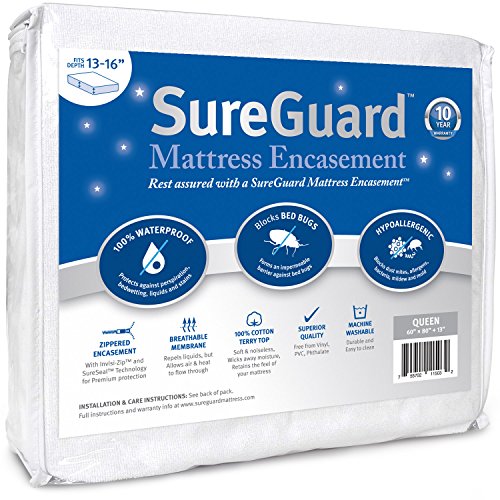
- 100% Waterproof - Six-sided premium mattress protector blocks perspiration, bed...
- Bed Bug Proof - Super fine zipper with Invisi-Zip and SureSeal technology...
- Keeps Your Mattress Clean & Fresh - Blocks dust, dirt and dander on all sides.
What should I do if my mattress protector still feels damp after a full dryer cycle?
If the protector is still damp, do not run it again on high heat to speed things up. Instead, lay it flat on a drying rack or clothesline until it finishes air drying naturally.
I keep a folding drying rack in my laundry room for exactly this situation. It only takes an extra hour or two, and it completely eliminates any risk of heat damage.