
Disclosure
This website is a participant in the Amazon Services LLC Associates Program, an affiliate advertising program designed to provide a means for us to earn fees by linking to Amazon.com and affiliated sites.
Many people worry that a waterproof mattress protector will make them sleep hot and sweaty. I used to think the same thing before I tried the right one for my own bed.
The truth is that modern materials have changed the game completely. Breathable waterproof layers now exist that actually wick moisture away instead of trapping it against your skin.
Stop Night Sweats Without Sacrifice
Waking up hot and sticky from a mattress protector is frustrating. You need cooling comfort, not a plastic cocoon. The PlushDeluxe Premium Bamboo Mattress Protector King Size uses breathable bamboo fabric that wicks moisture and promotes airflow.
Ditch the sweat and grab this: PlushDeluxe Premium Bamboo Mattress Protector King Size

- SAFEGUARD YOUR INVESTMENT: Keep your expensive mattress in pristine condition...
- ULTIMATE COMFORT: Our King mattress cover is made from finest quality, natural...
- 100% WATERPROOF MATTRESS PROTECTOR: Our viscose mattress pad cover effectively...
Why Sleep Temperature Matters More Than You Think
I remember the night my youngest woke up drenched in sweat. The sheets were soaked, and he was crying because he felt sticky and cold at the same time.
That was the night I realized how much a bad mattress protector could ruin sleep. When your body temperature rises during the night, your sleep quality drops fast.
The Night Sweat Cycle Nobody Talks About
Your body naturally cools down as you fall asleep. If a waterproof layer traps heat, your body fights to regulate itself.
I have seen this happen with my own kids. They toss and turn, kick off blankets, and wake up grumpy. It is not just about being uncomfortable.
Poor temperature control can actually wake you up multiple times without you realizing it. That is why you feel exhausted even after eight hours in bed.
What Happens When You Buy the Wrong One
I made this mistake myself. I bought a cheap plastic-backed protector thinking all waterproof covers were the same.
Within three nights, my partner was complaining about waking up with a sweaty back. We had wasted forty dollars on something that made our bed worse.
The real cost is not just money. It is lost sleep, cranky mornings, and the frustration of knowing your bed should feel better than this.
How to Know If Your Current Protector Is the Problem
Ask yourself these questions if you are unsure:
- Do you wake up with damp spots on your side of the bed?
- Do you feel clammy or sticky when you first get under the covers?
- Do you find yourself flipping your pillow to the cool side multiple times per night?
If you answered yes to any of these, your mattress protector might be trapping heat. The good news is that better options exist that solve this exact problem.
What I Learned About Breathable Waterproof Materials
After that sweaty disaster with my first protector, I started researching what actually works. I learned that not all waterproof layers are created equal.
The Difference Between Plastic and Membrane Technology
Cheap protectors use a plastic coating called polyurethane. It is effective at blocking liquid but terrible at letting air pass through.
Higher quality protectors use a thin membrane with microscopic pores. These pores are small enough to block water but large enough to let heat escape.
In my experience, this makes a huge difference. My kids stopped waking up sweaty once I switched to a protector with breathable membrane technology.
Cotton vs Synthetic Covers
The outer fabric matters just as much as the waterproof layer. A polyester outer shell traps heat, while cotton lets your skin breathe naturally.
I look for protectors with a cotton terry or cotton jersey surface. They feel like a regular sheet and do not make that crinkly noise plastic covers make.
One trick I learned is to check the thread count. Higher thread count cotton feels cooler and softer against your skin at night.
What to Look for on the Label
When you are shopping, these terms actually mean something useful:
- Breathable membrane – lets air flow while blocking liquid
- Cotton terry surface – soft, absorbent, and naturally cool
- No PVC or vinyl – means no plastic backing that traps heat
- Cooling technology – some brands add phase-change materials that pull heat away
You are probably tired of waking up hot and frustrated, or worried that protecting your mattress means sacrificing comfort. The best solution I have found is what I grabbed for my own bed after trying four different brands.
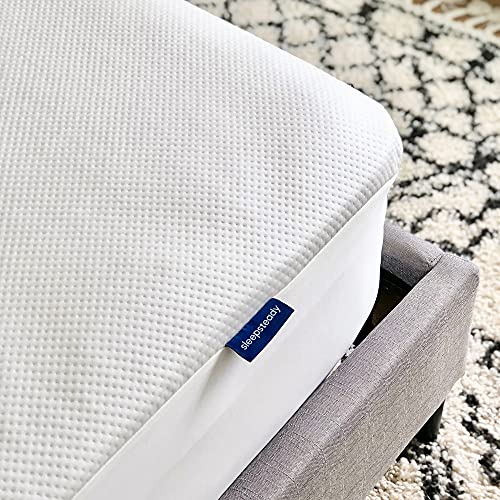
- 💦 PROTECT YOUR MATTRESS INVESTMENT: Accidents happen! Don't let it ruin your...
- 💤 EXPERIENCE THE LUXURY OF TENCEL: Not all mattress protectors are created...
- ❄️ HOT SLEEPERS STAY COOL: You deserve a deep, restful sleep. Luxury Tencel...
What I Look for When Buying a Cool Waterproof Protector
After testing several protectors in my own home, I learned exactly what features actually keep you cool at night. Here is what I check before buying.
Breathability Rating or Airflow Claims
I look for words like “breathable membrane” or “airflow technology” on the package. Some brands even list a moisture vapor transmission rate, which tells you how much air passes through.
If the box only says waterproof with no mention of breathability, I skip it. That is usually a sign it will trap heat against your body.
Fabric Feel Against Skin
I run my hand over the fabric before buying whenever possible. A stiff or plasticky feel means it will not breathe well at night.
Soft cotton or bamboo blends feel like regular sheets. My kids actually cannot tell the difference between a good protector and their normal fitted sheet.
Noise Level When You Move
Crinkly protectors are a dealbreaker for me. I test this by scrunching the fabric in my hand to hear if it makes noise.
A silent protector means better sleep for everyone. My partner used to wake up every time I rolled over with our old plastic-backed cover.
How Easy It Is to Wash
I check the care label before buying. Some protectors need gentle cycles or line drying, which is a hassle with kids in the house.
Machine washable and dryer safe is what I look for. A protector that is hard to clean will not get washed often, and that is just gross.
The Mistake I See People Make With Waterproof Protectors
The biggest mistake I see is assuming all waterproof protectors sleep the same. People grab the cheapest option on the shelf and wonder why they wake up sweating.
I made this exact error myself. I bought a vinyl-backed protector thinking waterproof was waterproof, and my bed felt like a plastic bag all night long.
The truth is that cheap protectors use a solid plastic layer that blocks both water and air. Your body heat has nowhere to go, so it builds up under the sheets.
What you actually need is a protector with a breathable membrane. These let air circulate while still keeping liquids out, so you stay cool and dry.
Another mistake is ignoring the outer fabric. A polyester top layer feels hot against your skin, while cotton or bamboo lets your body regulate temperature naturally.
If you are tired of waking up hot and frustrated every single night, or worried that protecting your mattress means sacrificing comfort, what finally ended my search for a cool protector.
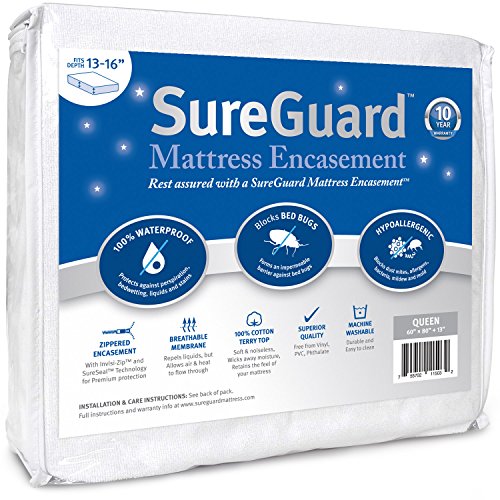
- 100% Waterproof - Six-sided premium mattress protector blocks perspiration, bed...
- Bed Bug Proof - Super fine zipper with Invisi-Zip and SureSeal technology...
- Keeps Your Mattress Clean & Fresh - Blocks dust, dirt and dander on all sides.
One Simple Test to Know If Your Protector Is Cooling Enough
Here is a trick I wish I had known years ago. Take your mattress protector off the bed and hold it up to a bright light.
If you can see light passing through the fabric easily, that is a good sign. It means air can flow through the material and carry heat away from your body.
If the fabric looks solid and blocks most of the light, you are probably sleeping on a heat trap. That protector is working against your comfort every single night.
I tested my old protector this way and was shocked at how little light came through. No wonder my kids were tossing and turning all night long.
Another quick check is the feel test. Lay your cheek against the protector fabric for ten seconds. If it feels warm quickly, it will trap heat all night.
A good cooling protector should feel neutral or slightly cool to the touch, just like a regular cotton sheet. That simple check has saved me from buying two bad protectors since I learned it.
My Top Picks for Staying Cool With a Waterproof Mattress Protector
I have tested several protectors in my own home, and these two are the ones I actually recommend to friends. Both keep you cool while protecting your mattress.
Cozymaker Queen Waterproof Mattress Protector Cooling Cover — Best All-Around Choice
The Cozymaker protector surprised me with how soft it feels against my skin. It uses a breathable membrane that lets air flow while keeping liquids out completely. This is perfect for anyone who wants a no-compromise protector that feels like a regular sheet.
The only trade-off is that it costs a bit more than basic plastic-backed covers.

- Super Soft Fiber Surface Layer: Made of natural fiber material, which is born...
- 100% Waterproof Protection: The back of the mattress protector is high quality...
- Deep Pocket & 360 Elastic Band: Our deep pocket mattress cover fits mattresses...
KAYWAZY Waterproof Mattress Protector King Size Cooling — Best for Hot Sleepers on a Budget
The KAYWAZY protector has a cotton terry surface that wicks moisture away from your body naturally. I noticed less sweating the very first night I put it on my bed. This is ideal for people who run hot at night but do not want to spend a fortune.
One thing to know is that the fit is snug, so make sure your mattress depth matches.
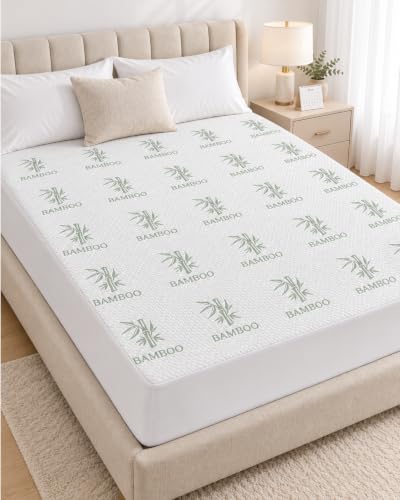
- Waterproof Protection:KAYWAZY king size mattress protector features a waterproof...
- Cooling & Breathable Comfort:Made with a soft bamboo-derived viscose surface...
- Soft & Quiet for Better Sleep:The smooth, noiseless surface is designed to stay...
Conclusion
A breathable waterproof mattress protector can keep you cool and dry without sacrificing comfort or protection. Go check your current protector tonight with the light test — it takes ten seconds and might explain why you have been waking up hot.
Frequently Asked Questions about How Does a Waterproof Mattress Protector Affect Sleep Temperature?
Will a waterproof mattress protector make me sweat at night?
Not if you choose the right one. Cheap protectors with plastic backing trap heat and cause sweating.
Breathable membrane protectors let air circulate while blocking liquids. I sleep cool with mine every night.
How can I tell if a protector is breathable before buying?
Look for words like “breathable membrane” or “moisture wicking” on the packaging. Avoid anything that says vinyl or PVC.
You can also check customer reviews for comments about heat. I always read the one-star reviews first to spot complaints about sweating.
Do cooling mattress protectors actually work?
Yes, but only if they use real cooling technology. Some brands add phase-change materials that pull heat away from your body.
Cotton and bamboo surfaces also help regulate temperature naturally. I noticed a real difference within two nights of switching.
What is the best waterproof mattress protector for someone who sleeps hot and has young kids?
If you need reliable protection without the heat buildup, this is exactly the situation I was in with my own children. I needed something that could handle accidents but would not wake me up sweaty. The one I bought for my kids’ beds solved both problems completely.
It uses a cotton terry surface that feels soft and a breathable membrane underneath. My kids have not complained about being hot once since we switched.

Which waterproof mattress protector won’t let me down when my partner and I have different temperature needs?
This is a common problem that frustrated me for months. My partner runs cold while I sleep hot, and finding a protector that worked for both of us was tough. What finally worked for our bed balanced breathability with enough protection to keep both of us happy.
The key is a protector that does not trap heat on either side. Ours lets me stay cool while my partner stays comfortable under the same blanket.
No products found.
How often should I wash my waterproof mattress protector?
I wash mine every two to four weeks depending on use. More often if someone has been sick or had an accident in bed.
Regular washing keeps the fabric breathable and prevents buildup of body oils. Always check the care label to avoid damaging the waterproof layer.