
Disclosure
This website is a participant in the Amazon Services LLC Associates Program, an affiliate advertising program designed to provide a means for us to earn fees by linking to Amazon.com and affiliated sites.
You might be wondering if it’s safe to toss your waterproof mattress protector in the dryer on high heat. This is a common question because we all want our bedding to be clean and dry quickly.
High heat can actually damage the waterproof membrane, causing it to peel or crack over time. I learned this the hard way after ruining a perfectly good protector by rushing the drying process.
Stop Damaging Your Mattress Protector
Drying a waterproof mattress protector on high heat often melts the coating or ruins the elastic. This leaves you with a cracked, useless cover that no longer protects your mattress from spills or allergens.
End the guessing game with the SafeRest Waterproof King Size Mattress Protector Fitted, which stays flexible and effective even after low-heat drying.
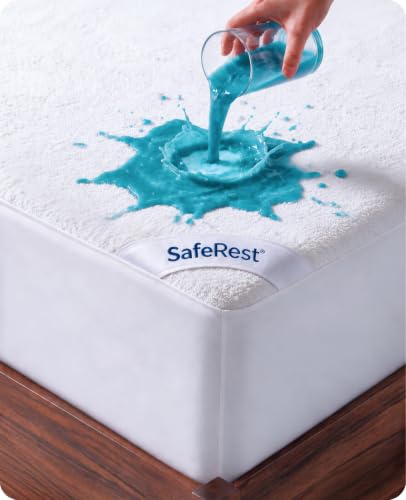
- KEEP YOUR MATTRESS DRY - Helps protect against fluids, urine, perspiration and...
- QUIET & BREATHABLE - Quiet breathable King mattress protector that will allow a...
- PROTECT YOUR MATTRESS - Perfectly fitted King mattress protector that protects...
Why Drying Your Waterproof Mattress Protector the Wrong Way Costs You Money
I remember the first time I bought a nice waterproof mattress protector for my son’s bed. He was still potty training, and I thought I was being smart by protecting the mattress.
After a small accident one night, I washed the protector and threw it in the dryer on high heat. I wanted it dry fast so we could get back to our routine.
The Moment I Knew I Made a Mistake
When I pulled the protector out, the backing felt stiff and crunchy. It had separated from the fabric in a few spots.
Two weeks later, the waterproof layer started peeling off in big flakes. My son’s urine soaked right through to the mattress the next time he had an accident.
I had wasted over thirty dollars on a protector that only lasted a month. That was money I really could not afford to throw away.
What High Heat Actually Does to the Waterproof Layer
In my experience, the waterproof membrane is usually made from polyurethane or a similar material. High heat makes this layer break down faster than you would believe.
Think of it like leaving a plastic water bottle in a hot car. The material warps, gets brittle, and eventually cracks.
- The heat melts the adhesive that bonds the waterproof layer to the fabric
- It causes the membrane to shrink at a different rate than the outer fabric
- This creates bubbles and separation that ruin the protection completely
Once that happens, your protector is just a regular sheet cover. It will not stop any liquid from reaching your mattress.
The Best Way to Dry a Waterproof Mattress Protector Without Ruining It
After my first expensive mistake, I did some research and changed my drying routine completely. Honestly, this is what worked for us and saved me from buying a new protector every month.
Low Heat Is Your Best Friend
I always set my dryer to low heat or even the no-heat air dry setting now. It takes a bit longer, but the protector stays soft and flexible.
For a queen-sized protector, low heat usually takes about forty-five minutes. I check on it every fifteen minutes to make sure it is not overheating.
When You Really Need to Speed Things Up
Sometimes you need that protector dry right now, like before bedtime after a late-night accident. I get it, I have been there many times.
In those situations, I tumble dry on low for twenty minutes, then let it finish air drying on a drying rack. This cuts the time in half without damaging the waterproof layer.
I also add a couple of clean, dry towels to the dryer to absorb moisture faster. This trick works wonders and keeps the heat from building up too much.
You already know the panic of finding wet spots on your mattress after a long night, and you deserve a protector that actually holds up wash after wash without peeling or cracking. What I grabbed for my kids finally ended that cycle for good.

- STAY CLEAN & FRESH - Our Triple Action Mattress Pad features a diamond-quilted...
- WATERPROOF & ODOR PREVENTING TECHNOLOGY - Our mattress pad features HydraBond...
- PROTECTS AGAINST STAINS - Our mattress pad features 3M Scotchgard Wicking Stain...
What I Look for When Buying a Waterproof Mattress Protector
After ruining a few protectors with bad drying habits, I learned to pick better ones from the start. Here are the three things I check before buying now.
A Clear Care Label
I always flip the package over and read the washing and drying instructions before I buy. If the label says “tumble dry low” or “air dry only,” I know the manufacturer thought about real use.
Some cheap protectors have no care instructions at all. In my experience, that is a red flag that the materials will not hold up.
A Breathable Cotton Top
The first protector I bought felt like a plastic trash bag under the sheets. My son would wake up sweaty and uncomfortable in the middle of the night.
Now I look for protectors with a cotton or bamboo top layer. They feel soft like a regular sheet and keep you cool while still blocking moisture.
A Strong, Flexible Backing
I gently stretch the corner of the protector in the store to see how the backing behaves. If it cracks or looks stiff, I put it back on the shelf.
A good waterproof layer should stretch slightly without separating from the fabric. This flexibility helps it survive the dryer on low heat without peeling.
The Mistake I See People Make With Waterproof Mattress Protectors
I wish someone had told me this earlier, but most people assume all mattress protectors can handle high heat. They grab the bottle of bleach and crank the dryer to the hottest setting without thinking twice.
That is exactly what I did, and it cost me a good protector. The heat does not just damage the waterproof layer, it also breaks down the elastic around the edges.
Once the elastic is ruined, the protector slides off the mattress corners all night long. You end up waking up to a bunched-up sheet and a bare mattress underneath.
You know that sinking feeling when you find a wet spot on your mattress and realize your protector gave out, which is why I switched to what finally worked after months of trial and error.
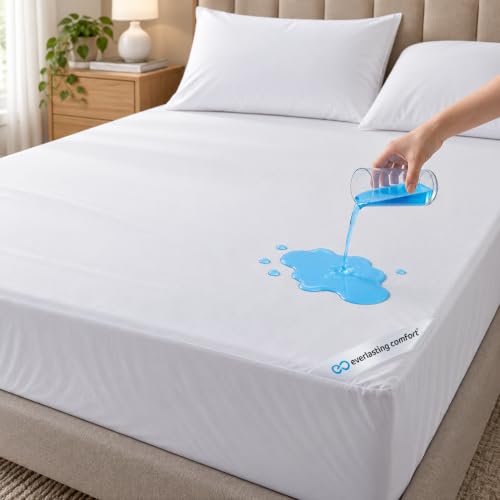
- WATERPROOF DUAL LAYER PROTECTION: Shield with our King mattress protector from...
- COMFORT & BREATHABILITY: Made with breathable, cooling skin-safe fabric, this...
- ENCHANCES SLEEP HYGIENE & MACHINE WASHABLE: Unlike thin toppers or partial...
One Simple Trick That Saved All My Mattress Protectors
Here is the honest truth I learned after ruining three protectors. I now take them out of the dryer while they are still slightly damp.
I let them finish drying on a clothesline or a drying rack in the laundry room. This one change made my protectors last over a year instead of just a few months.
The waterproof membrane stays flexible when it does not get blasted with prolonged heat. My son’s protector still looks and feels brand new after countless washes.
Another thing I started doing is zipping the protector inside a pillowcase before drying. It protects the surface from direct heat and prevents the edges from getting scorched.
This trick works especially well for protectors with vinyl or polyurethane coatings. I promise you will notice the difference the first time you try it.
My Top Picks for Waterproof Mattress Protectors That Handle the Dryer Well
After testing several protectors myself, I found two that actually survive low-heat drying without peeling or cracking. Here is exactly what I recommend and why.
Florith Waterproof Mattress Protector Queen Size 60×80 — Tough Enough for Busy Families
The Florith Waterproof Mattress Protector Queen Size 60×80 has a thick, soft cotton top that feels like a real sheet. I love that the waterproof backing stays flexible wash after wash, even on low heat. It is the perfect fit for families with kids who have frequent accidents.
The only trade-off is it takes a bit longer to dry because of the thick cotton layer.
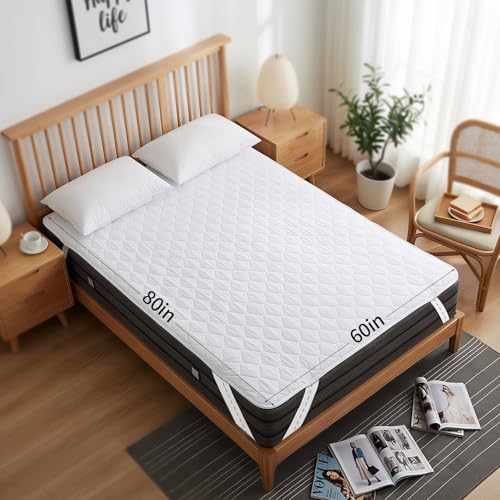
- 1. MULTI-LAYER WATERPROOF & ABSORBENT PROTECTION Featuring a premium TPU...
- 2. ADJUSTABLE SNUG FIT FOR 4-21" DEEP MATTRESSES Say goodbye to shifting! Four...
- 3. SOFT & BREATHABLE QUILTED COMFORT Filled with an ultra-soft silk wadding...
PRIMESOFT Waterproof Queen Mattress Topper Pillow Top — Extra Comfort Without the Crunch
The PRIMESOFT Waterproof Queen Mattress Topper Pillow Top adds a plush pillow-top layer that makes a firm mattress feel soft. I appreciate that it dries quickly on low heat without the backing getting stiff or noisy. This one is ideal for anyone who wants protection without sacrificing comfort.
The honest trade-off is it adds noticeable height, so fitted sheets may feel tighter.
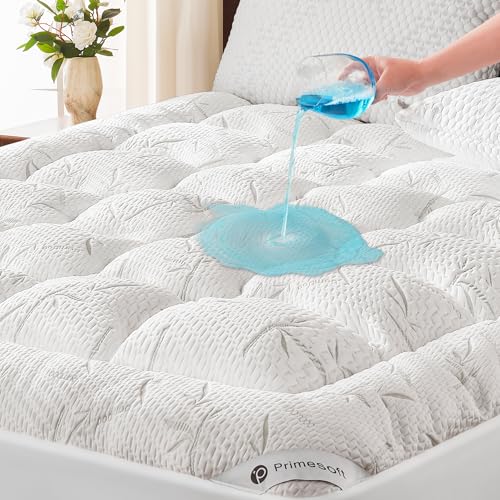
- 【Premium Material Combination】: The mattress topper fabric blends 70% rayon...
- 【Outstanding breathability and water resistance】: It features both...
- 【Fashionable and Practical Design】: Unique wavy thread sewing design...
Conclusion
The single most important thing to remember is to always dry your waterproof mattress protector on low heat to keep the waterproof layer intact.
Go check the care tag on your protector right now and set your dryer to low heat before your next wash, it takes two seconds and could save you from buying a replacement next month.
Frequently Asked Questions about Can I Put a Waterproof Mattress Protector in the Dryer on High Heat?
What happens if I accidentally dry my waterproof mattress protector on high heat?
If you dry it on high heat just once, you might not see damage right away. The waterproof layer can weaken internally even if it looks fine.
After a few high-heat cycles, the backing will start peeling or cracking. You will notice crunchy spots and reduced waterproofing over time.
Can I iron a waterproof mattress protector to remove wrinkles?
I do not recommend ironing a waterproof mattress protector at all. The direct heat from an iron will melt the waterproof membrane instantly.
If you need to remove wrinkles, toss the protector in the dryer on low heat for ten minutes instead. Take it out while it is still warm and smooth it flat.
How often should I wash my waterproof mattress protector?
I wash my protectors every two to four weeks, depending on use. If someone has been sick or had an accident, I wash it right away.
Washing too often can wear out the waterproof layer faster. Stick to a regular schedule and spot clean small messes when you can.
What is the best waterproof mattress protector for someone who needs to dry it fast without damage?
I understand the frustration of waiting hours for a protector to dry when you need the bed ready tonight. That is exactly why I looked for a protector that dries quickly on low heat without losing its waterproof layer.
After testing several options, what I grabbed for my kids dries in about thirty minutes on low heat and stays completely flexible. It has saved me from many late-night panic situations.
Which waterproof mattress protector won’t let me down when my child has a nighttime accident?
When your child wakes up wet in the middle of the night, the last thing you need is a protector that leaks or crinkles loudly. You need something reliable that stays quiet and soft while blocking everything.
I have been through enough accidents to know the ones I sent my sister to buy handle multiple washes and still work perfectly. They do not crinkle, and the waterproof layer stays intact wash after wash.
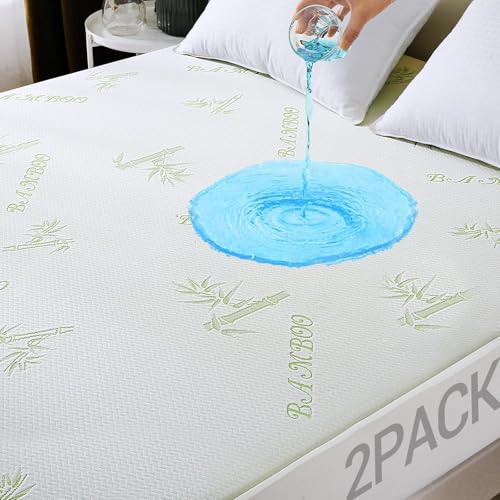
- Breathable Material: Our queen size mattress protector is made of 40% rayon...
- No Worry To Get Wet: This mattress protector features an advanced TPU waterproof...
- Sleep in Silence: Our mattress cover is incredibly soft, with fine viscose, a...
Can I use dryer sheets with a waterproof mattress protector?
I avoid dryer sheets when drying my waterproof mattress protectors. The chemicals in dryer sheets can coat the waterproof membrane and reduce its effectiveness.
If you want softer fabric, try adding wool dryer balls instead. They help reduce static without damaging the waterproof layer.